Should You Trim Your Cat’s Fur to Manage Seasonal Shedding?
Managing seasonal shedding in cats can be a challenging task for pet owners. Many cats experience significant hair loss during specific times of the year, due to changes in temperature and daylight. This shedding can lead to a buildup of fur in your home. Consequently, understanding the underlying causes of shedding is crucial. One common misconception is that trimming your cat’s fur can effectively reduce shedding. However, it’s essential to consider the various factors that contribute to this phenomenon. When examining if trimming helps, it’s prudent to note that cats naturally shed their undercoat as a way to regulate body temperature. Trimming fur may actually interfere with this natural process. Instead, consider alternative grooming methods that promote coat health and minimize shedding. Regular brushing is often more effective, as it helps to remove loose fur before it falls out. Additionally, maintaining a balanced diet plays a significant role in reducing shedding. Essential fatty acids can improve skin condition, leading to less fur loss during shedding periods. Regular vet check-ups can ensure your cat’s overall health, which is key to managing seasonal shedding.
Another common question arises: should you ever trim your cat’s fur? The answer largely depends on the individual cat’s breed and coat type. Long-haired breeds like Persians or Maine Coons may benefit from occasional trimming. However, there are significant traps to this approach. Trimming long fur can lead to matting if done incorrectly, and matting can have serious consequences for your cat’s skin and overall comfort. Conversely, short-haired breeds typically do not require trimming, as their fur naturally sheds more easily. Educating yourself on the specific needs of your cat’s breed can provide better guidance in this regard. Moreover, consider the weather conditions, as seasonal changes can dictate whether trimming is beneficial. For instance, some climates may warrant a trim to alleviate excess heat during summer. On the flip side, a thick coat is beneficial in colder months. Remember also to consult with a professional groomer who can assess your cat’s coat condition. Regular grooming habits are essential regardless of trimming decisions, as they help reduce the frequency and amount of shedding in general. Pay attention to what works best for your furry friend.
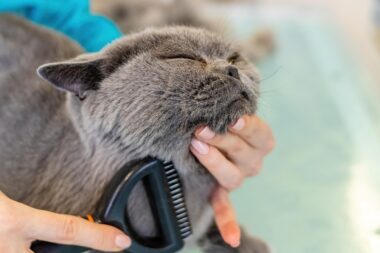
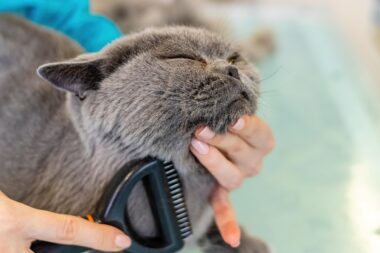
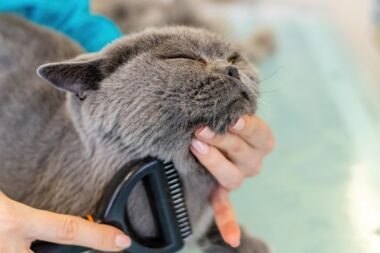
Brush your cat regularly to help manage shedding effectively. Regular brushing helps to minimize the amount of hair that ends up around your home while simultaneously promoting a healthy coat. Therefore, setting up a grooming schedule can make a difference. Aim for at least two to three times a week, or even daily during peak shedding seasons. Choose a brush that suits your cat’s coat; for long-haired breeds, a slicker brush works well, while short-haired cats benefit from a bristle brush. As you groom, take note of any skin issues or abnormalities that may need attention. Observing skin conditions can support your cat’s overall health and comfort. Moreover, you can also invest in grooming tools designed specifically for shedding control. These tools are engineered to remove loose fur efficiently and reduce shedding. Additionally, consider using a de-shedding tool as it can target undercoat hair effectively as part of your grooming routine. Remember to reward your cat with treats and affection during grooming sessions. Creating a positive grooming experience can make the process easier for both you and your feline companion.
Nutrition and Hydration Impacting Shedding
Your cat’s nutrition significantly affects their shedding patterns. Feeding your cat a high-quality diet that includes essential vitamins and minerals can contribute to a healthier coat. Ingredients rich in Omega fatty acids are particularly beneficial. Omega-3 and Omega-6 fatty acids help to keep your cat’s skin moisturized and promote shiny, strong fur. In addition, feeding your cat a balanced diet supports their overall health. Regularly assess the quality of cat food you’ve been using and look for options with high protein content and low fillers. Proper hydration is equally important; make sure your cat has access to fresh water at all times. Dehydration can lead to dry skin, increasing the likelihood of shedding. Consider consulting with your veterinarian to find the ideal diet for your cat’s specific needs. You might also want to incorporate occasional treats that promote coat health. There are vitamins designed for pets that support skin and fur health as well. Consult with a vet before introducing new supplements to ensure their appropriateness for your cat’s unique health situation and lifestyle.
In addition to grooming and nutrition, consider the role of environmental factors in shedding. Seasonal shifts in temperature can trigger increased shedding. During spring and fall, many cats naturally lose their winter or summer coats in preparation for the new season. Keeping your home’s temperature stable can help reduce stress on your cat, thus minimizing unexpected shedding. If possible, provide your cat with a consistent environment to help them feel comfortable. Additionally, stressors such as changes in routine, new pets, or significant life changes can impact your cat’s shedding. Keeping a calm, secure environment at home helps to alleviate some of this stress. Creating safe spaces in your home where your cat can retreat can further ease anxiety. If you notice unusual levels of shedding accompanied by bald patches or skin irritations, do not hesitate to seek veterinary advice. Professional guidance can help address underlying issues, including stress-related conditions or health problems that may manifest during seasonal shedding periods. Remember, every cat’s shedding will vary, and being attuned to your individual cat’s needs is essential.
When to Seek Professional Help
Finally, while managing your cat’s shedding is a responsibility you can handle, recognizing when to seek professional assistance is key. Persistent shedding that doesn’t lessen despite grooming and dietary changes may indicate a more significant problem. Skin diseases, allergies, and parasitic infestations could be at play, all of which require veterinary intervention. Additionally, infestations such as fleas can lead to excessive itching and fur loss. Should you observe any skin changes, like redness or swelling, a trip to the vet is advised. Your veterinarian can perform tests to determine if an allergy or underlying condition may be causing the excessive shedding. They may also recommend specific treatments or shampoos to alleviate your cat’s discomfort. Sometimes, behavioral issues can contribute to excessive shedding, so discussing your cat’s overall lifestyle can be helpful too. Regular wellness checks are essential for monitoring your cat’s health over time. An informed cat owner is better equipped to handle shedding as it arises, leading to a happier and healthier feline companion. Trusting your instincts to seek help can ultimately improve your cat’s quality of life and well-being.
In conclusion, trimming your cat’s fur is not always the solution to manage seasonal shedding. While some cats may benefit from trims, it’s essential to consider diverse factors, such as grooming techniques and nutrition, along with general health. Each cat is unique, necessitating an individual approach. Maintaining a consistent grooming routine will help significantly. Add balanced nutrition, hydration, and environmental stability into the mix, and you can create a supportive habitat for your furry friend. Additionally, remain vigilant for symptoms that require veterinary attention. Lastly, understanding your cat’s specific behavior and health needs will ensure effective shedding management. Take time to research the best practices for your cat and consult your veterinarian. The key to managing seasonal shedding effectively lies in a combination of proper care, attentive management, and proactive health measures. Your efforts will result in a happy cat with a healthy coat while minimizing mess around your home. Ultimately, your relationship with your cat can become stronger as you tend to their grooming needs, showcasing the bond of love and care between you two.