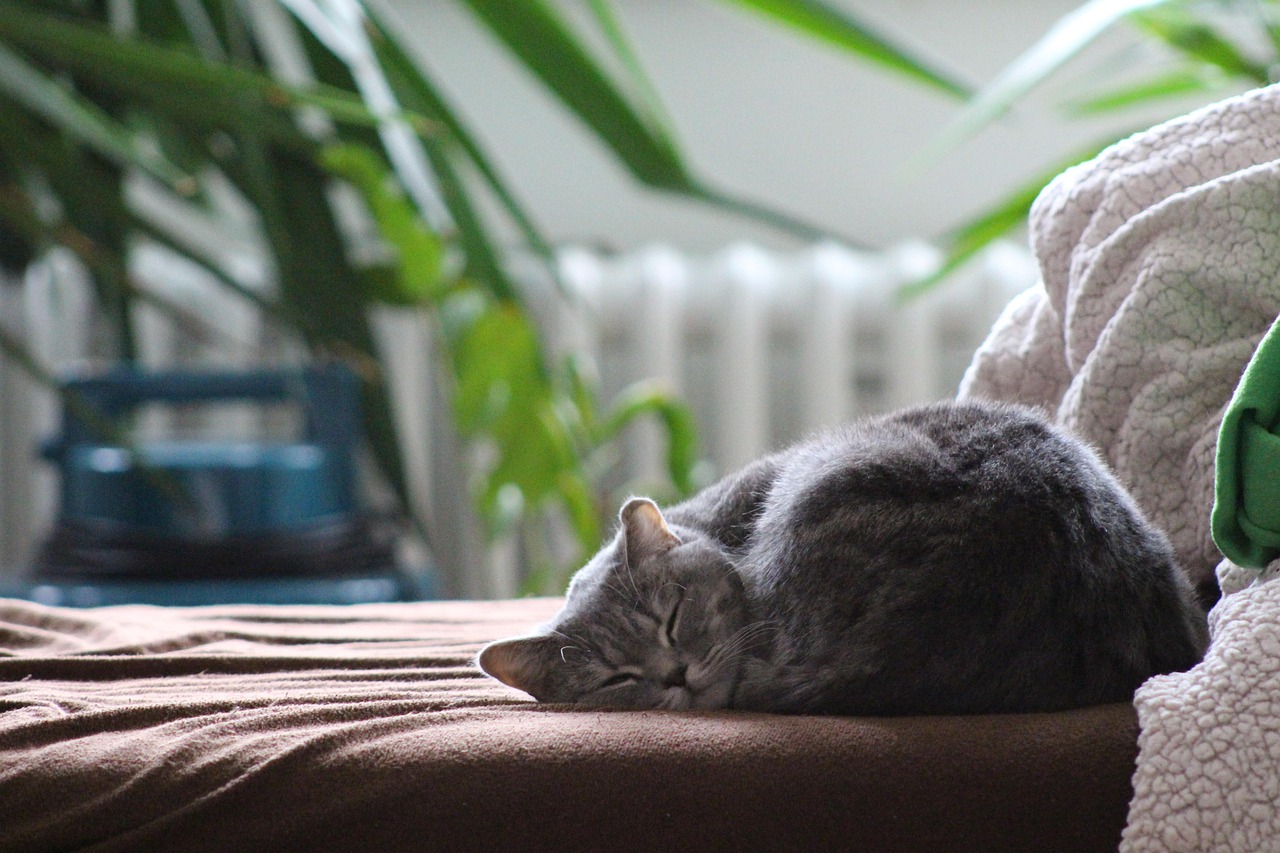

Teaching Your Cat to Stay Calm Around Other Pets
Introducing your cat to other pets can be a daunting experience for both the owner and the feline. Cats are creatures that prefer a stable environment, often becoming anxious when there is a shift in their landscape. To ease this anxiety, it is essential to train your cat with some calming techniques. Begin the process by creating a safe space where your cat can retreat when feeling stressed. This space should consist of comfortable bedding, familiar toys, and possibly a perch to observe from above. Gradually, allow your cat to explore the environment where the other pets will be present. Successful introductions can take time, so patience is crucial. You may also need to prepare your other pets for the new arrival; ensuring that every animal is properly socialized can save you a great deal of stress. Additionally, consider using pheromone diffusers that promote tranquility in your home. By taking these initial steps, you can establish a peaceful coexistence between your cat and other pets living in the same household.
Once your cat has acclimatized to its environment, it’s time to integrate calming commands into the training routine. Commands such as “stay calm” or “relax” can significantly benefit a cat’s response to stressful situations. When introducing these commands, the timing of your verbal cues is vital. Use them consistently while your cat is engaged in soothing activities such as grooming or napping. This creates a positive association linking the command to moments when your cat is already relaxed. Reinforcement is essential, so reward your cat with treats or praise each time it responds correctly to these calming commands. Visual aids like calm body language and bringing in a soft voice can further enhance the training experience. Remember also to practice in short, manageable sessions to maintain your cat’s focus and minimize frustration. Consistency and patience will lead to more robust responses over time. By integrating calming commands into your pet’s training, you can foster a more harmonious environment not just for the cat but for everyone living within your home.
Utilizing Positive Reinforcement Techniques
Positive reinforcement is one of the most effective training methods for calming your cat around other pets. The key is to reward your cat’s calm behavior rather than punishing undesirable actions. When your cat remains composed in the presence of other animals, reward it instantly with a treat, praise, or petting. This enhances the likelihood of repeat calm behavior in similar situations. Set up controlled introductions so that your cat does not feel overwhelmed. Allow them to observe each other from a distance at first, gradually decreasing space over time as their comfort levels increase. An important aspect of this technique is to maintain a calm demeanor yourself; your cat can sense your stress or anxiety. Choose the right timing for these sessions, ensuring your cat is not too agitated or overstimulated. When your cat successfully executes the desired calm behavior, increase the reward’s significance to keep your cat motivated. The gradual building of positive associations will help create a more relaxed dynamic among all pets in your household. Such bonds take time but lead to a more peaceful cohabitation.
Familiarizing your cat with the presence of other pets outside the home is equally important. This type of exposure can aid in reducing anxiety when pets meet in a shared space. Start by taking your cat to a neighbor’s place who has well-behaved and familiar pets. These outings will help your cat develop social skills, thus mitigating its fear during subsequent encounters. While introducing your cat to new pets at other homes, monitor the interactions closely and be prepared to intervene if tensions arise. Employ calming commands during these interactions, ensuring that rewards are provided whenever your cat displays relaxation. You can even have treats on hand that your cat enjoys, which also make your cat associate strange environments with positive moments. Gradually, your cat will begin to realize that the presence of other animals does not necessarily equate to a threat. Over time, continual exposure in controlled manners can lead to more confident behavior during friendly introductions, resulting in a more comfortable experience for all involved.
Creating a Structured Playtime Routine
Incorporating structured playtime into your cat’s daily routine can also serve as a fantastic relaxing strategy. Playtime allows your cat to expend excess energy, which can be a primary trigger for anxiety when meeting other pets. Engage your cat in interactive play sessions to distract from potential stress triggers. Wand toys and laser pointers are excellent tools that can help your cat focus on the play rather than its anxiety. Aim to set a consistent daily play schedule that your cat can anticipate. Not only does this provide your cat with physical exercise, but it also promotes mental stimulation crucial for emotional well-being. Engaging with your cat daily can foster a sense of security, further alleviating anxiety when encountering other pets. It’s also important to understand your cat’s play styles, as this helps create more effective strategies tailored to your pet’s needs. As your cat learns and becomes accustomed to structured play, the overall mood improves, making it easier for the introduction to new pets. Thus, well-structured play sessions can significantly aid calmin
Creating a training environment contributes significantly to the calming process. For success, limit distractions and make your pet feel secure during training sessions focused on calming techniques. Designate an area known for peaceful interactions, away from high-traffic zones or loud noises. This could be a quiet room or even your garden, depending largely on your living space. Use comforting items like blankets or toys during training to help your cat feel more relaxed. While practicing, observe your cat’s body language for any signs of discomfort or stress. If you notice stress signals, it is essential to take a step back and pause until your cat’s calmness is restored. Remember to avoid overwhelming your cat with too many new commands or techniques all at once. Instead, incorporate calming tips gradually into your sessions. Empower your cat to feel at ease and gradually gain confidence by creating a positive environment. This leads to better responses to training commands, creating a solid foundation for fostering peaceful interactions with other pets.
Understanding Cat Behavior
Understanding your cat’s behavior is crucial for facilitating calm interactions with other pets. Cats communicate through body language, often using subtle signs to convey their feelings. Pay close attention to when your cat is fearful; flattened ears, a twitching tail, and dilated pupils are signals indicating discomfort or anxiety. Recognizing these signs allows you to intervene appropriately before the situation escalates. Offer space for your cat to retreat when it feels overwhelmed, and never force interactions. Consider your cat’s personality traits, as some breeds are generally more social than others, while others can be more reserved. It’s essential to respect these differences in temperament when arranging playdates or introductions. Additionally, research breed-specific behaviors to understand how your cat may respond to other pets. While training and adaptation are crucial, the key is also allowing your cat the space and time to adjust naturally. With a keen eye on its behavior and gradual exposure to new environments, you’ll notice a marked improvement in your cat’s ability to stay calm around other pets.
Lastly, establishing a routine that incorporates calming techniques can be advantageous for your cat’s long-term well-being. Cats thrive on predictability, so creating a stable environment where they feel secure is vital. Integrate commands, structured play, and familiarization with other pets into their daily lives. Consider combining techniques like tranquil music or calming scents during playtime to enhance relaxation further. Give your cat time to adjust to new pets on its terms; patience will be rewarded over time. Celebrate small victories with positive reinforcement to keep the training enjoyable. Offer a cozy hiding place so your cat can retreat when it feels anxious. It is also beneficial to give your other pets their spaces; they need to feel secure when facing new additions. As relationships grow, continue to practice the calming commands and reinforce positive behavior to nurture a peaceful coexistence. The journey may take time, but it leads to a more harmonious home. Ultimately, being mindful of your cat’s unique needs while integrating these strategies can help create a tranquil environment for everyone.