
Safe Storage Practices for Dog Food
Ensuring the safety of your dog’s food is vital for their health and well-being. Proper storage plays a critical role in maintaining food quality, preventing contamination, and keeping pests at bay. Always store dog food in a cool, dry place away from direct sunlight, as heat and light can degrade nutrients and spoil the food. Utilizing airtight containers helps prevent moisture and air exposure, which could lead to mold or spoilage. Regularly check your storage area for signs of insects or rodents that may be drawn to your pet’s food. Use a clean scoop when serving food to your dog to minimize the risk of contaminants. It’s wise to keep dog food separate from other household items to avoid cross-contamination. Lastly, always adhere to the expiration date printed on the packaging. Over time, even unopened dog food can lose its nutritional value, so consuming it before the date ensures your dog gets a balanced diet. Following these guidelines helps ensure your canine friend stays healthy and happy with every bite they take. An ounce of prevention goes a long way in pet care.
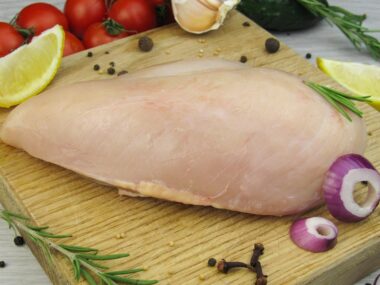
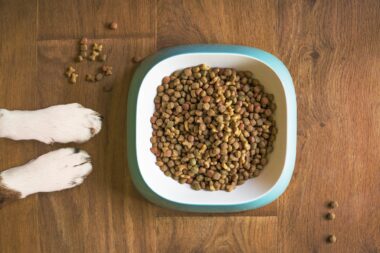
When it comes to purchasing dog food, being aware of the storage requirements is essential. Depending on the type, dog food can come in various formats, including kibble, wet food, or raw diets. Kibble is often the most common option, and it requires less maintenance compared to moist foods. Storing kibble in an airtight container is great; it keeps it fresh and nutrient-rich. On the other hand, wet dog food should get stored in a fridge after opening and consumed within a few days. It’s important to always check for signs of spoilage like unusual smells or colors. Raw diets often require extra caution, as they are more prone to harboring harmful bacteria. Always separate raw foods from any dry goods or perishables to prevent cross-contamination. Thus, maintain a designated section in your fridge or freezer strictly for your dog’s food. Additionally, after serving raw food, promptly clean any utensils used, and wash your hands. This practice helps ensure the safety and well-being of not just your furry friend, but also your family.
Choosing the Right Storage Container
Your choice of storage container is crucial in maintaining your dog’s food quality. Opt for high-quality, airtight containers that keep air, moisture, pests, and light from spoiling the food inside. Make sure the container is labeled clearly with the type of food and the expiration date, to help you manage the rotation efficiently. Glass or BPA-free plastic containers are excellent choices; they are easy to clean and durable for daily use. Avoid using cardboard or paper bags nearby since they are less effective at preserving freshness, and tend to attract pests. If you’re using a large bag of dog food, consider decanting it into smaller containers for easier access and rotating for freshness. Additionally, ensure the container is easy to open and close, preventing accidental spills and keeping food safe. Regularly inspect your storage containers for cracks or wear and substitute as necessary. By selecting the right container, you’re not just preserving your dog’s food; you’re safeguarding their overall health and happiness with every meal. Finding balance in food storage requirements is a crucial aspect.
Another effective way to ensure safe storage practices for dog food is regular cleaning. The areas where you store dog food should be routinely wiped down to prevent potential contamination. Pests are attracted to food residue; thus, keeping both the containers and the surrounding area clean is paramount. Use non-toxic cleaners to avoid chemical exposure to your pet. Furthermore, always store different food types separately; dry foods should not share space with raw or wet varieties. This strategy minimizes the risk of cross-contamination and maintains the integrity of your dog’s meals. It’s also beneficial to keep track of the quantity of food on hand. This practice prevents over-purchasing or storing outdated dog food. Always utilize the oldest packages first so that you’re not simply rotating food into the back of closets or cupboards unnecessarily. An organized approach ensures that your pet’s meals remain fresh and safe. Labeling bins, sealing containers properly, and monitoring food supply can significantly enhance the effectiveness of your storage practices. Such proactive measures protect not just against contaminated food but also foster a clean environment.
Understanding Expiration Dates
Each package of dog food typically comes with an expiration date; understanding this information is key to safe dog feeding practices. Just like with human food, an expired product can lose its nutritional value or even become harmful over time. To ensure your pet gets the right nutrients, pay careful attention to these dates. While moisture, heat, or light can accelerate spoilage, not all expired food is toxic. However, even if it may not cause immediate harm, the quality decreases significantly. If you have a large supply of food, practice the FIFO method, which stands for First In First Out. This helps you cycle through your stock effectively. Consider tracking expiration dates when purchasing or replenishing supplies, and mark them on your calendar or storage containers. Familiarizing yourself with this aspect of dog food storage is essential for making informed decisions about your pet’s diet. Regular inspections and timely consumption ease concerns about spoilage and waste. By following these guidelines, you ensure your dog enjoys their meals while maximizing nutritional benefits in every bite.
In addition to expiration dates, be mindful of the packaging type and its implications on food safety. Many brands use vacuum-sealed packaging to extend shelf life and preserve nutritional value. Once opened, however, the clock begins ticking on freshness. Pet owners should strive to limit exposure to oxygen, light, and heat after opening the bag. To optimize storage conditions, consider keeping the entire food bag sealed until you’re ready for use. Once you’re ready to feed your dog, pour portions into a separate, clean, and airtight container. This way, the original bag stays sealed, keeping any remaining dry food fresher for longer. Additionally, if you use a measuring cup or scoop from the bag, ensure it’s clean and dry to prevent moisture absorption. These small changes in routine will go a long way in maintaining food quality between feedings. By taking these steps, you’ll not only extend the shelf life of the dog food but also secure its nutritional integrity. After all, preserving a well-balanced diet is crucial for your dog’s overall health and vitality.
Conclusion: Best Practices
Implementing best storage practices not only ensures your dog’s food remains safe but also maximizes nutritional benefits. Start by selecting quality containers, storing food with care, and always keeping expiration dates in mind. Regular cleaning is an essential part of the process; keeping the storage area tidy is vital in preventing pests and contamination. Maintain an organized approach by authoritatively checking supplies to keep track of what you have and what needs to be used first. After all is said and done, managing your dog’s diet effectively takes teamwork. You play a significant role as a pet owner to create a healthy atmosphere. Monitor your dog’s responses to food over time, adjusting storage methods or brands if necessary. Each pet is unique, and observing subtle changes means providing tailored care that enhances their well-being. Be proactive, and don’t hesitate to consult your veterinarian for specific dietary questions. With these practices in place, you can ensure that every meal is a pleasant experience for your dog. It’s your responsibility as their caretaker to ensure their safety and health.
By being diligent about your dog’s food storage practices, you contribute positively to their quality of life. Understanding proper techniques not only enhances their health but can also save you money in the long run. Consider engaging in ongoing education around pet food safety; staying abreast of evolving practices can ensure that your practices align with the latest recommendations. Regularly connecting with fellow pet owners and professionals within the community also fosters a collective knowledge around managing best practices. Dogs thrive in a safe and nurturing environment, and informed decisions about food storage significantly impact overall quality of life. Evaluate your storage methods periodically, and don’t fear minor adjustments as you learn more about the best practices available. The journey of care involves continuous growth, which enhances the bond between you and your furry friend. Be open to sharing your insights and experiences with others; building a community creates a rich learning environment for everyone involved. In sum, always prioritize your dog’s health by implementing safe food storage practices for a happy, healthy, and vibrant life.