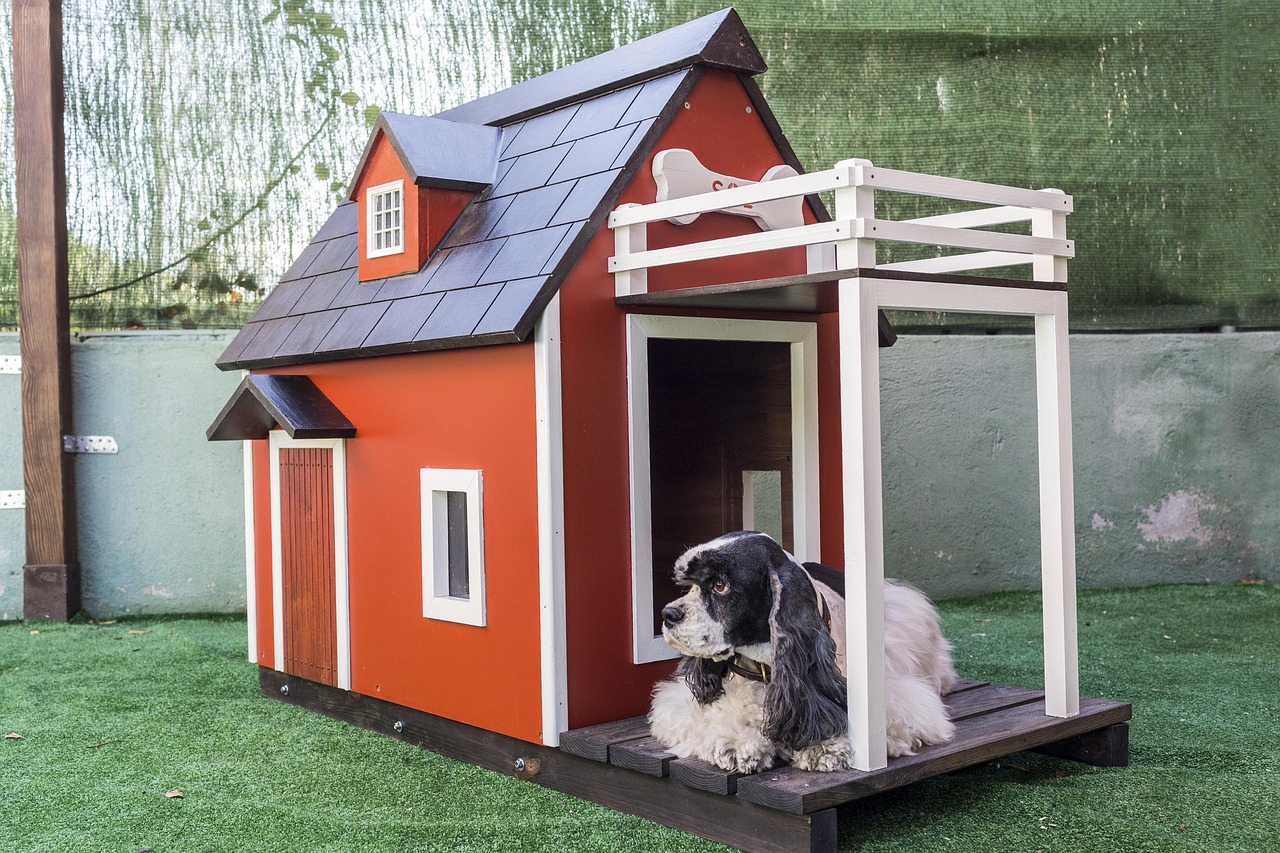

Painting and Finishing Techniques for Wooden Dog Houses
When creating a wooden dog house, the finishing touches are crucial for aesthetics and durability. The types of finishes you select can significantly influence your dog house’s longevity and maintenance. First, always begin by sanding the wooden surfaces to ensure they’re smooth. This step helps paint and stains to adhere better. Consider applying a primer coat as a base; it enhances color vibrancy and reduces the wood’s porosity. Additionally, primers protect against moisture damage, extending the lifespan of the house. Next, choose high-quality, non-toxic paints that are resistant to peeling and fading. Water-based paints are ideal because they’re easier to clean and safer for pets. For those interested in a natural look, stains highlight the wood grain while providing weather protection. After applying your finish, allow sufficient drying time according to the manufacturer’s instructions, which often takes several hours. Lastly, ensure all finishes used are pet-safe, especially if your dog has a tendency to chew on surfaces. Proper care and selection of materials will provide your furry friend with a stylish and protected abode.
Essential Materials for Finishing
To effectively paint and finish your wooden dog house, gather the right materials to ensure a professional finish. Begin with a high-quality wood primer to prepare the surface. This primer is essential for optimal paint adhesion and better durability. Following the primer, invest in premium outdoor paint or stain that is specifically designed for wood surfaces. Water-resistant products are advisable, especially for outdoor conditions to withstand the elements. Along with these, consider purchasing sealants or clear coats that add a layer of protection against scratch and moisture. Preparing your workspace is equally important. Utilize drop cloths to protect your surfaces and wear appropriate safety gear, including gloves and a mask. Brushes and rollers of various sizes can help achieve different textures and finishes. Furthermore, consider using a sprayer for a smooth application, but ensure it’s suitable for outdoor use. Small tools such as paint trays and stir sticks are also necessary. Finally, check if you need sandpaper or a sander for prepping the wood and achieving a uniform look for your dog house.
Step-by-Step Application Process
Once you’ve gathered your materials, begin the process of painting and finishing your wooden dog house with a well-organized plan. Start by preparing the wood surface through sanding, which universally promotes a smoother finish. Next, apply the primer evenly using either a brush or roller. Ensure to cover all corners and edges completely. After the primer has dried, examine the surface for any rough spots that may need further sanding. After confirming the primer is dry, it’s time to apply your chosen paint or stain. If applying paint, use a brush for corners and detailed areas while employing a roller for flat surfaces. For stain, work with a clean cloth or applicator, rubbing it onto the wood to enhance the natural beauty. Allow the first coat to dry thoroughly before applying a second coat for a richer finish. Finally, once your desired finish has been achieved, let everything cure properly as per the product’s instructions. This step is vital for maximizing durability and ensuring your dog house remains a safe haven for your pet.
Another important aspect to consider is maintenance of the painted dog house over time. Regular cleaning is essential to keep the wooden surfaces looking fresh and extending its lifespan. Generally, a simple wipe down with a damp cloth and mild soap is sufficient to remove dirt or grime. Additionally, inspect the house at regular intervals for signs of wear, such as peeling paint or chipping wood. If the paint begins to wear away, reapplication of a finish will be necessary to provide the necessary protection against the elements. Depending on your climate and exposure level, you might consider repainting every couple of years. Pay special attention to corners and seams, as these areas often harbor moisture and may require extra care. Furthermore, consider using a wood preservative annually to repel moisture and pests, helping ensure a longer-lasting structure. If you wish to refresh the house’s look, don’t hesitate to change its color or style when reapplying paint or stain. Careful maintenance ensures your furry friend can enjoy their dog house for many years.
Choosing the Right Colors
The selection of colors for your dog house can greatly influence the overall aesthetic appeal. It’s important to choose shades that complement your home or yard’s surroundings while being fun and appealing for your pet’s space. Bright colors often create cheerful vibes and can enhance visibility in your yard, while muted or natural tones blend harmoniously with outdoor environments. Consider using palettes inspired by nature that connect the house to the surrounding flora and fauna. Earthy tones, like browns and greens, often work well in most landscapes. If you want to add a playful touch, consider using accents of brighter colors, such as reds or yellows, on the trim or roof. Additionally, remember that the color may affect heat absorption, particularly in hotter climates; lighter colors reflect heat while darker hues attract it. Therefore, factor in your regional climate when choosing colors. Ultimately, it’s about balancing aesthetics with your dog’s comfort needs to create an inviting space tailored for their enjoyment.
Innovative Finishing Techniques
There are numerous innovative finishing techniques available that can further personalize your wooden dog house. One unique option is to use stencils or stamps to create customized designs or patterns on the walls. These custom touches can make the house one-of-a-kind and better reflect your dog’s personality. Consider logos, names, or fun designs like paw prints or bones for added charm. Decoupage is another exciting technique; applying decorative paper or fabric and sealing it with a clear finish can enhance the overall appearance remarkably. Furthermore, combining different finishes, such as using paint for edges and stains for larger portions, can create visual interest. Also, utilizing wood burning tools to engrave designs on surfaces adds an artistic flair while ensuring durability. Additionally, textured finishes, such as raised patterns, can lend a unique tactile experience. As you explore various techniques, bear in mind the harmony between aesthetics and functionality, ensuring your dog house remains attractive yet practical for your pet’s needs.
In conclusion, painting and finishing wooden dog houses is not merely an aesthetic pursuit but a significant engagement in pet-friendly craftsmanship. The right selection of materials, colors, and techniques can transform a simple wooden structure into a safe and inviting abode for your furry friend. Understanding the various types of finishes, along with proper application processes, ensures your creation is not only visually appealing but also durable against the elements. Regular maintenance is vital to ensure that the dog house remains in excellent condition throughout the years. Additionally, exploring innovative techniques can add uniqueness and character to the dog house, further reflecting your personality and love for your pet. By following the outlined steps and techniques, you empower yourself to create a dog house that not only serves as a home but also as an extension of your creative expression. Most importantly, it is about providing a loving, comfortable, and fun space for your dog, ensuring they feel safe and happy in their own little sanctuary.