
How to Teach Your Dog to Chase the Lure Effectively
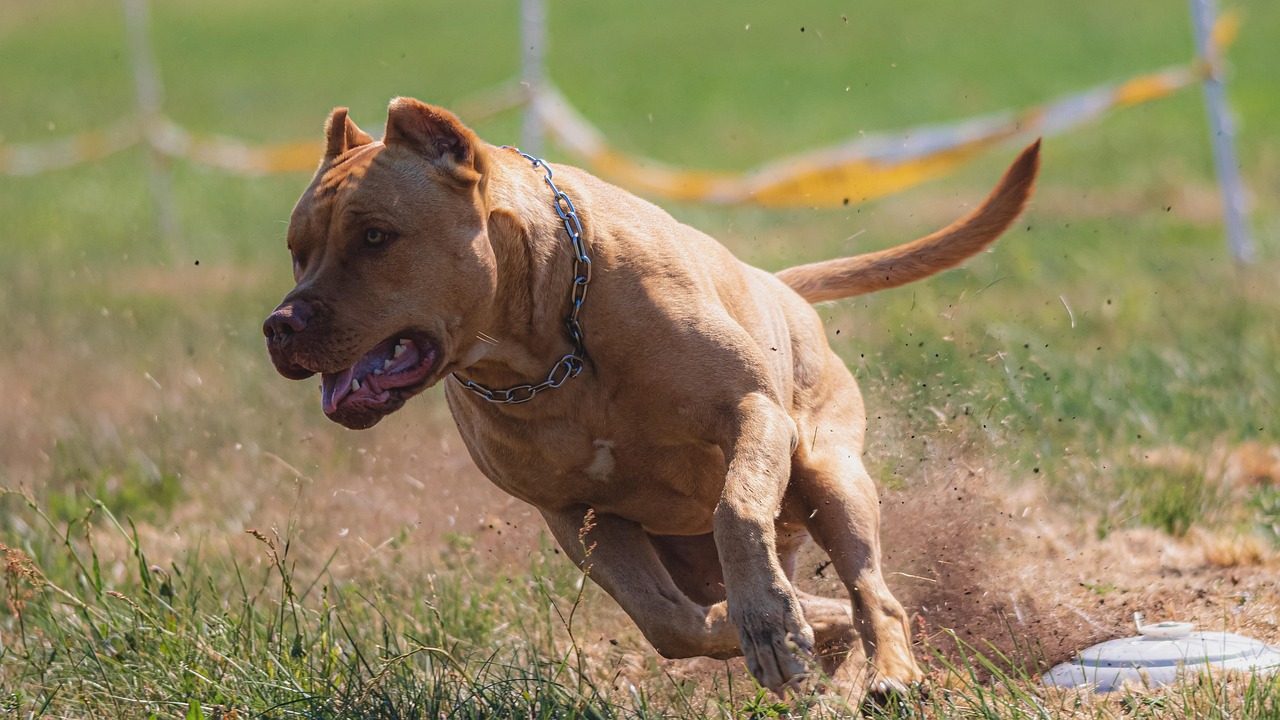
Fast CAT racing is an exhilarating sport designed for dogs to chase a lure, promoting physical activity and mental stimulation. Teaching your dog to chase the lure effectively begins with understanding its mechanics. Start by selecting a safe, enclosed area with minimal distractions, ensuring a conducive environment for learning. Gradually introduce your dog to the lure, allowing it to observe and investigate. Use a lightweight lure that moves quickly to capture your dog’s interest. Incorporate exciting commands or sounds to draw the dog’s attention as the lure moves. Consistent verbal encouragement reinforces positive behavior, helping your dog connect excitement with chasing the lure. Reward your dog with treats or playtime after successful attempts, enhancing motivation. Regularly practice short sessions instead of lengthy training, preventing burnout and maintaining enthusiasm. Pay attention to your dog’s body language; when it shows eagerness and focus, progress is being made. Lastly, remain patient and consistent while teaching. Like any skill, mastering dog lure chasing takes time and repetition, but the joy of seeing your dog succeed will be incredibly rewarding.
Once your dog is comfortable with the lure, enhance the experience by introducing agility elements. Consider setting up small obstacles, such as cones or jumps, along the lure’s path to create an engaging and challenging course. This not only keeps your dog physically stimulated but also mentally engaged as it learns to navigate the course while targeting the lure. Use positive reinforcement techniques to encourage your dog to overcome obstacles. Incorporating agility challenges can significantly improve your dog’s focus and speed while chasing the lure. Start with low-height jumps or easy turns, gradually increasing difficulty as your dog gains confidence and skills. Always keep sessions short and lighthearted to maintain excitement. If your dog hesitates or becomes disinterested, take a step back and simplify the task. It’s crucial to keep training fun! Setting practice goals, such as completing a course in a certain time or with minimal errors, can provide motivation. Remember to celebrate every achievement, tapping into your dog’s innate desire for approval and recognition. The combination of lure chasing and obstacles will foster a strong bond and a mutual understanding between you and your dog.
Equipment and Safety Considerations
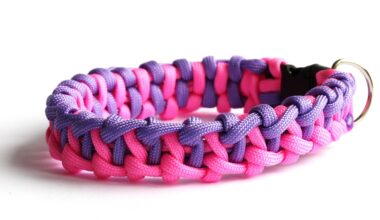
Before diving into lure training, it’s essential to equip yourself and ensure your dog’s safety. A suitable harness that is comfortable and fits well is crucial for lure-based activities. Traditional collars can apply pressure on your dog’s neck when chasing, especially at high speeds. Harnesses distribute pressure across the chest, providing better control while preventing injuries during enthusiastic runs. Invest in a reputable and appropriate lure equipment setup, which typically includes a lure machine that operates smoothly, enabling the lure to escape quickly. Always check your equipment before training sessions to ensure everything functions effectively. In addition to physical equipment, a tracking device can be useful to monitor your dog’s location during training. Flat, open spaces are best; avoid areas with hazards like water or heavy underbrush. During hot weather, consider scheduling your training in cooler parts of the day to safeguard against overheating. Hydration is equally crucial, so keep water available. By prioritizing safety and proper equipment, you set the stage for effective lure chasing, promoting fun and healthy activity that benefits both you and your dog.
To improve your dog’s lure-chasing skills, consider joining a local Fast CAT training group or club. These organizations provide valuable resources, socialization opportunities, and the chance to learn from experienced trainers. This community can offer insights and techniques to enhance your training sessions, as well as motivational support from fellow dog owners who share similar goals. Engaging with other dogs also helps your pet develop its social skills. While participating in these clubs, ensure you continue to remain patient throughout the training process. Remember that every dog learns at a different pace, and some may take longer than others to feel confident. Utilize feedback from trainers and peers to improve your methods and adapt your techniques. Additionally, you may find that both you and your dog benefit from regular practice, as it develops consistency in skills. Having a consistent training schedule is essential; dedicate specific times each week for training to cultivate dedication and progress. Being surrounded by fellow enthusiasts can be motivating, aiding in your growth as a trainer and improving your dog’s performance.
Understanding Body Language
Observing your dog’s body language is a key aspect of effective lure training. Dogs communicate through their movements, energy levels, and facial expressions. By attuning yourself to these cues, you can better understand their feelings toward chasing the lure. For instance, a wagging tail, energetic posture, and focused gaze generally indicate enthusiasm and eagerness to participate. Conversely, if your dog appears anxious, hesitant, or avoids the lure, it’s crucial to stop and reassess your approach. Adapt your training sessions by decreasing the lure’s speed or simplifying obstacles to foster confidence. Consider using playful interactions to boost your dog’s spirits before resuming the lure chase. Building a solid foundation of trust encourages your dog to tackle challenges with excitement. Understanding these signals allows you to respond to your dog’s needs effectively. Maintain communication with your dog throughout the training process, which reinforces the bond between you. By being sensitive to your dog’s emotions, you create a personalized training experience that caters to their strengths while addressing any weaknesses, paving the way for successful lure chasing.
Tracking progress is vital to fostering a successful lure training experience. Record your dog’s achievements during each training session, noting improvements in speed, recall, or confidence levels. Keeping a journal helps you recognize patterns and trends, offering insights into what motivates your dog. Analyzing this data allows you to identify specific areas needing improvement, tailoring future training sessions accordingly. Take pictures or videos during practice to visually document your pet’s progress. This can also serve as a fun way to share achievements with friends or fellow club members. Celebrate milestones such as completing a course faster than before or showing increased focus during training. Offering enthusiastic praise and rewards reinforces positive associations with the activity. In doing so, you not only motivate your dog but also foster an enjoyable training environment. Additionally, being aware of both strengths and weaknesses will keep your expectations realistic. Embrace patience throughout your training journey as dogs are unique individuals with varying learning curves. Gradually, both you and your dog will grow and enjoy the process of mastering lure chasing together.
Conclusion and Next Steps
Once you have introduced your dog to chase the lure effectively, the true adventure begins! You can explore competitive racing events such as Fast CAT, allowing you to showcase your dog’s agility and speed. This experience not only brings recognition but also fosters a deeper bond between you and your pet. Keep practicing regularly and gradually increase the challenge as your dog improves. Ensure that you maintain your dog’s health and fitness to prevent injuries and maintain a high level of performance. Incorporate variability in your training sessions to keep things fresh and exciting. For instance, switch up the course or invite friends for team practice. Remember, the ultimate goal is to enjoy your time spent training. Providing a fun, positive, and engaging atmosphere allows your dog to thrive, enhancing not only the actual chase but also building life-long memories. Keep learning and adapting your methods, as this commitment to improvement benefits both you and your dog. Whether recreational or competitive, Fast CAT racing offers an incredible journey filled with joy, activity, and friendship.
By understanding how to teach your dog to chase the lure effectively, you’re not just training—it’s about creating a fulfilling experience for both of you. Fast CAT racing transforms simple outdoor activities into exhilarating adventures that contribute positively to your dog’s mental and physical wellbeing.