
How Crate Training Can Prevent Potty Accidents in Puppies
Puppy owners encounter various challenges during the potty training process, and accidents can be frustrating. One effective strategy to manage these situations is crate training. By using a crate correctly, you can create a safe space for your puppy. Puppies have a natural instinct to keep their sleeping areas clean. Therefore, when they are crated, they are less likely to relieve themselves inside. This technique not only helps curb accidents but also assists with many behavioral issues. Crate training promotes a sense of security for your puppy, knowing they have their own designated area. This fosters a positive environment conducive to learning. Furthermore, it establishes a routine that can greatly benefit both the puppy and the owner. Puppy owners, particularly first-timers, should learn how to introduce a crate to their furry friend gradually. This approach allows for gradual acclimatization with positive reinforcement techniques. Using treats, praise, and gentle encouragement helps create a positive association. Puppies will gradually recognize the crate as a safe space. Consistent use of a crate can instill good habits, ultimately resulting in fewer potty accidents. Proper training saves time and provides a stress-free environment for everyone involved.
One of the primary benefits of crate training is the establishment of a routine that benefits both you and your puppy. Puppies thrive on routine; it provides structure and predictability. Scheduling bathroom breaks helps puppies learn when and where to do their business. By taking your puppy outside at regular intervals, they will begin to associate those outings with relief. A well-timed bathroom schedule prevents accidents indoors, promoting better potty habits. When crate training, it is important to remember to take your puppy out upon their release from the crate. This reinforces the idea that the crate is not only a safe space but also a signal for bathroom time. It’s essential to stay attentive to your puppy’s signals, as they will often show signs when they need to go outside. As your puppy learns to control their bladder and bowels, their confidence will grow. Additionally, ensuring that the crate is a comfortable and inviting space encourages your puppy to view it positively. Using soft bedding, toys, and even treats can help make the crate feel like a cozy den. In this way, crate training becomes an effective tool in managing potty training accidents.
Understanding Puppy Behavior
Understanding your puppy’s behavior is critical during the potty training process. Puppies communicate their needs in various ways, and recognizing these signals can help prevent accidents. For instance, dogs often sniff, circle, or whine, which indicates they need to go outdoors. Owners should pay close attention to these subtle cues. By responding promptly, you create a positive association with going outside for potty breaks. When puppies successfully relieve themselves outdoors, they should receive praise and treats as reinforcement. This encourages repeat behavior in the future. However, if accidents do happen indoors, it’s essential to avoid punishment. Negative reinforcement can create fear and anxiety, complicating the training process further. Instead, focus on recognizing patterns and adjusting your routine accordingly. Identifying the times of day your puppy is most likely to need a bathroom break can help develop a more effective schedule. Consistency is key to ensuring they learn what is expected. By providing ample opportunities for outdoor time, you’d reduce the chances of accidents. Understanding your puppy’s behavior fosters a better bond and simplifies the potty training journey.
Crate training also encourages puppies to develop a sense of independence. While some dog owners might worry about confining their puppies, the crate offers a secure, personal space. When trained properly, puppies become comfortable spending time in their crates, which helps them relax. Puppies need to learn that being alone doesn’t have to lead to anxiety. Teaching them to spend time in the crate separates moments of playtime from downtime. This is crucial for mental stimulation and emotional health. Additionally, crating helps with managing your puppy’s energy levels. This method allows you to control when your puppy has access to the outside world. You can prevent mounting excitement levels by not letting your puppy out all the time. Controlling access can lead to a calmer and more balanced puppy. Establishing boundaries within your home is vital for a well-behaved dog. They learn that there are appropriate times for play and moments for rest. The goal of crate training should always center on creating a stable environment where puppies feel valued and secure.
Puppy Crate Size and Comfort
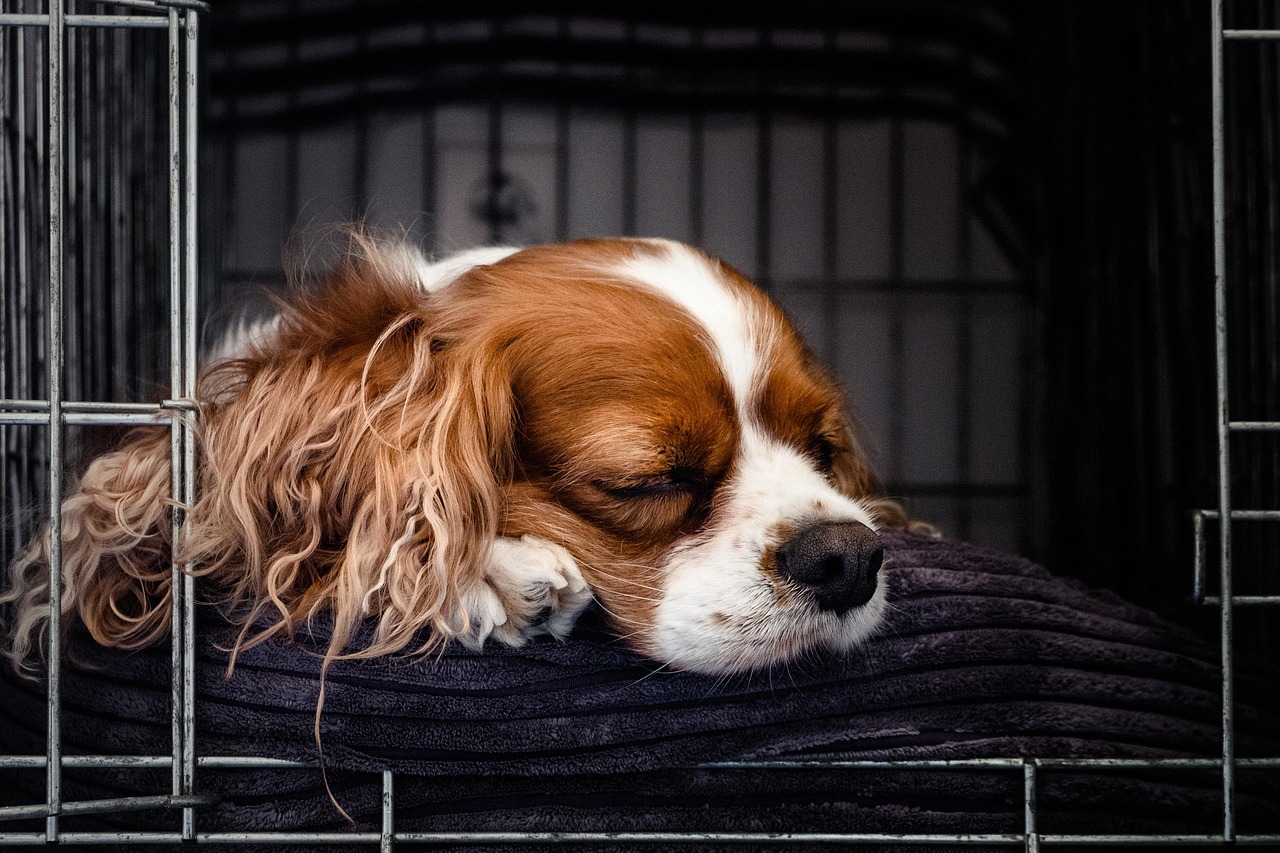
When implementing crate training, consider the size and comfort level of the crate carefully. The right crate should allow your puppy to stand, turn around, and lie down comfortably. However, it should not be oversized, as this can encourage puppies to designate one end for sleeping and another as a bathroom area. Selecting an appropriately-sized crate ensures that your puppy understands that this space is for rest only. You can find various options available on the market today, including soft-sided crates, wire crates, and plastic carriers. Each style has its benefits and factors to consider depending on your dog’s needs. Many owners find that wire crates offer versatility and ease of cleaning. You can use dividers to adjust the size for your growing puppy. Remember to line the crate with soft bedding and include a few toys to make their environment inviting. Acclimating your puppy to the crate through positive experiences will create a suitable space for relaxation and learning. This will ultimately contribute to a smoother potty training process and a happier puppy.
When dealing with potty training accidents, having the right supplies on hand can play a vital role. To effectively manage any indoor accidents, owners should keep cleaning supplies easily accessible. An enzymatic cleaner is often the best choice. These cleaners break down the odors associated with pet waste, reducing the likelihood of your puppy returning to the same spot. Having odor-neutralizing products also helps keep your home smelling fresh and clean. Instead of using ammonia-based products, switch to pet-friendly supplies that effectively tackle stains and odors. Furthermore, implementing a reward system can motivate your puppy to follow the proper potty routine. Whenever they eliminate outside, be sure to show your appreciation. Use verbal praise and treats to reinforce this behavior, creating positive feelings toward going outdoors for bathroom breaks. Keeping a journal could also help identify patterns in your puppy’s potty habits. Documenting when and how often accidents occur provides valuable insight. Understanding your puppy’s needs is beneficial as it informs better decision-making regarding potty training schedules.
Conclusion: Consistency is Key
In conclusion, crate training is an effective method for preventing potty accidents in puppies. It creates a designated space that teaches your puppy about boundaries while fostering independence. Establishing a routine will lead to better understanding of their bathroom needs. As your puppy learns to rely on their crate, they develop a sense of security, leading to fewer anxiety-based accidents. Additionally, observing your puppy’s behavior enables prompt responses to their bathroom cues, further reducing issues indoors. The crate’s comfort level is vital; it must be the right size and inviting for your puppy. Consistent positive reinforcement encourages successful potty habits. Lastly, employing proper cleaning supplies ensures a hygienic environment. With dedication, patience, and the right techniques, accidents can be minimized, paving the way for successful training. Consistent application of these methods will instill good behaviors and strengthen your bond with your puppy. Remember that every puppy is unique, and some may take longer to learn than others. With time and dedication, the potty training process can lead to a fulfilling relationship. Embracing crate training as a critical tool helps create a peaceful home for you and your furry friend.
In conclusion, crate training is an effective method for preventing potty accidents in puppies. It creates a designated space that teaches your puppy about boundaries while fostering independence. Establishing a routine will lead to better understanding of their bathroom needs. As your puppy learns to rely on their crate, they develop a sense of security, leading to fewer anxiety-based accidents. Additionally, observing your puppy’s behavior enables prompt responses to their bathroom cues, further reducing issues indoors. The crate’s comfort level is vital; it must be the right size and inviting for your puppy. Consistent positive reinforcement encourages successful potty habits. Lastly, employing proper cleaning supplies ensures a hygienic environment. With dedication, patience, and the right techniques, accidents can be minimized, paving the way for successful training. Consistent application of these methods will instill good behaviors and strengthen your bond with your puppy. Remember that every puppy is unique, and some may take longer to learn than others. With time and dedication, the potty training process can lead to a fulfilling relationship. Embracing crate training as a critical tool helps create a peaceful home for you and your furry friend.