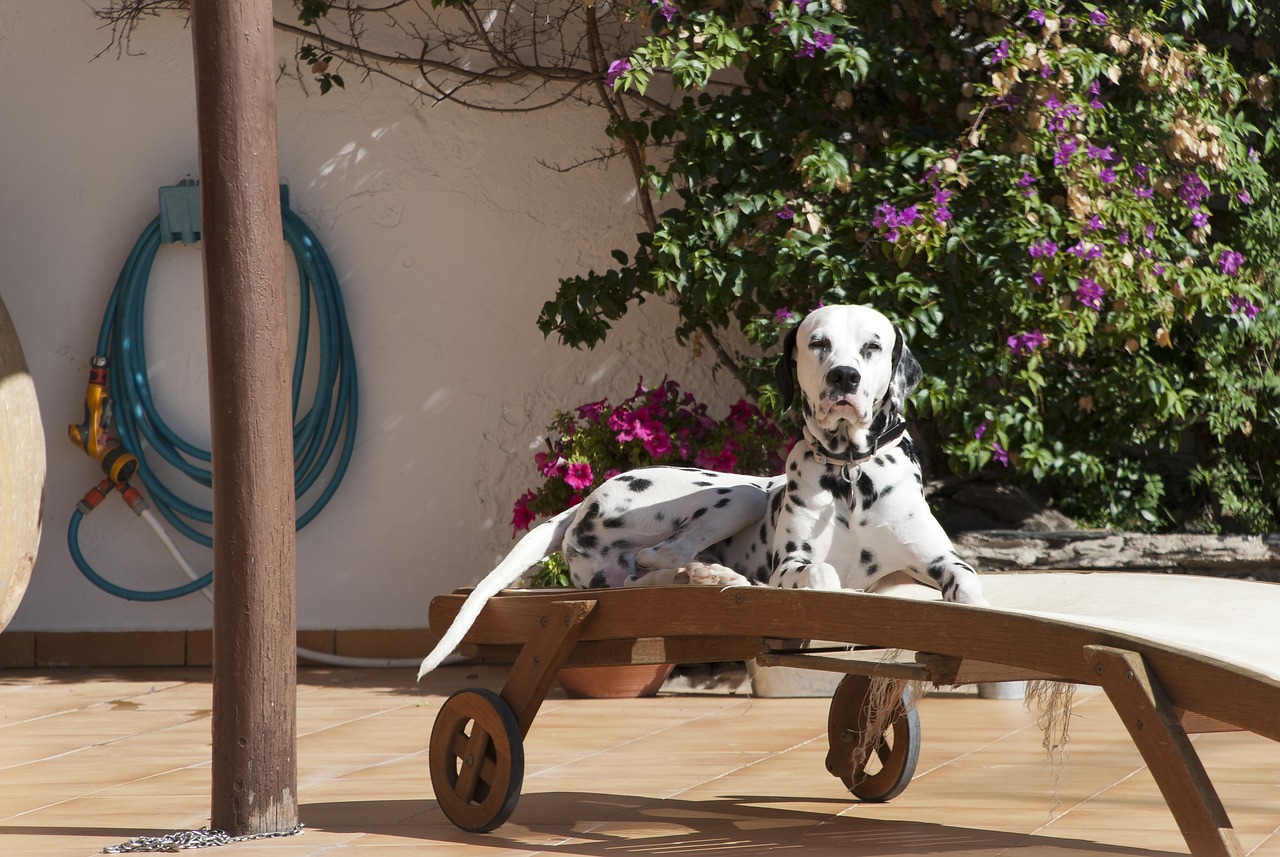

Natural Remedies to Reduce Stress in Dogs
Many dog owners notice that their pets can often experience stress, which can manifest in various behavioral changes. Stress in dogs can stem from numerous factors, such as loud noises, unfamiliar environments, or even separation from their owners. Understanding the causes of stress in dogs is crucial to help them overcome it. By using natural remedies, dog owners can effectively reduce anxiety levels. Techniques may include introducing calming music, aromatherapy, or providing a safe, designated space for your dog to retreat when feeling overwhelmed. Exercise also plays a vital role in alleviating stress. Regular walks can improve your dog’s mood significantly. Furthermore, creating a routine can help dogs feel secure, as they thrive on predictability. If a dog exhibits signs of anxiety, such as barking excessively or destructive behavior, it’s essential to address these issues promptly. Through patience, observation, and utilizing natural remedies, owners can help their dogs navigate stressful situations more comfortably and confidently, fostering a happier, healthier environment for their furry companions. This holistic approach can improve the overall quality of life for both pets and their owners.
Natural remedies often focus on using herbal supplements, which can provide tranquility to dogs experiencing anxiety. Herbs such as chamomile, valerian root, and lavender have calming properties that can soothe an overstimulated mind. These natural ingredients can be administered through teas, tinctures, or specific pet formulas available on the market. Always consult with a veterinarian before giving your dog new supplements to ensure safety. A calming massaging routine can significantly bond owners with their pets while reducing anxiety levels. Many dogs respond positively to gentle touch and caressing, making massage a beneficial tool for relaxation. Regular massage not only provides comfort but can strengthen the emotional connection between a dog and its owner. Additionally, incorporating yoga or relaxation techniques, such as deep breathing exercises alongside your dog, can be advantageous. Dogs often mirror their owner’s emotions, so remaining calm and peaceful can instill similar feelings in your pet. Establishing a tranquil environment at home will encourage relaxation while reducing anxious behaviors. Identifying stress triggers and adjusting their surroundings can lead to a noticeable improvement in their overall demeanor.
Dietary Adjustments for Calmness
Diet plays a crucial role in a dog’s mental health and can greatly influence their stress levels. A well-balanced, nutritious diet helps to support overall well-being, preventing nutritional deficiencies that may contribute to anxiety. Including omega-3 fatty acids in your dog’s diet can enhance brain health and promote calmer behavior. Consider supplements like fish oil or flaxseed oil, as they may help reduce anxiety and improve mood. Additionally, incorporating calming treats infused with natural ingredients, such as chamomile or tryptophan, can assist in managing stress. It is essential to read ingredients carefully and choose high-quality products that have been specifically formulated for dogs. Moreover, controlled feeding schedules can also alleviate stress related to mealtime. A gradual transition to new foods ensures your dog’s digestive system adapts comfortably without further anxiety. Always monitor your dog’s reaction to dietary changes. Regular veterinary check-ups can help identify any underlying health issues that might exacerbate stress. By optimizing nutrition, owners can positively influence their dog’s mental state and overall happiness, showcasing how dietary adjustments play a significant role in canine wellness.
Creating a peaceful environment is essential for reducing stress in dogs. Designating a cozy, quiet area in your home allows your dog a space free from external stressors. This can be a comfortable dog bed placed in a less-trafficked part of the house. Ensuring your dog has access to enriching toys can also help alleviate boredom and anxiety. Interactive toys not only entertain but can also mentally stimulate a dog, keeping their mind occupied. Furthermore, maintaining a consistent daily routine provides a sense of security for pets. Familiarity with their daily activities reduces anxiety about the unknown. Training exercises also foster confidence and reduce stress, as dogs thrive on structure and direction. Engaging in obedience training strengthens the bond between owner and pet while improving communication. Gradually introducing new experiences ensures dogs can adapt more easily, preventing overwhelming feelings. Regular socialization with other dogs under controlled circumstances can enhance their adaptability skills. Dog parks or playdates with trusted companions provide healthy outlets for energy, enriching social skills. A comprehensive approach that includes environmental considerations offers a holistic solution to managing stress in dogs, leading to happier pets.
Behavioral Techniques for Reducing Stress
Implementing behavioral techniques can effectively manage and reduce stress in dogs. Positive reinforcement is one such method that focuses on rewarding desirable behaviors, creating a healthier relationship between owner and pet. Training sessions utilizing praise, treats, or toys as rewards build confidence in dogs, fostering a positive state of mind. Short, consistent training sessions cultivate a productive atmosphere for learning. Another technique includes desensitization, which involves gradually exposing dogs to anxiety-provoking situations, allowing them to adapt over time. For example, low-volume recordings of thunder can help dogs get accustomed to loud noises. Over time, increasing exposure gradually helps alleviate fear responses. Consider using calming pheromones available in diffusers, collars, or sprays, as these can create a calming environment. Interactive activities can also aid in reducing stress and facilitating a positive outlet for energy. Engaging in fun games such as fetch or tug-of-war redirects anxious energy, which can be incredibly beneficial. Recognizing and modifying triggers for anxiety provides a path toward reducing stress. With patience and consistent effort from owners, dogs can learn coping mechanisms to effectively manage stress.
Using calming music or specialized sound therapy can also help create a serene environment for your dog. Many pet owners have observed that playing soft, soothing music lowers anxiety levels in their dogs, choosing compositions designed explicitly for canine relaxation. Music therapy can calm nervous energy during stressful situations such as thunderstorms, fireworks, or even extended periods of being alone. These soothing sounds can reduce a dog’s heart rate and lead to a more relaxed state. In addition to music, providing ambient white noise can also mask disruptive external sounds that may trigger anxiety. Multiple options are available, including sound machines specifically designed for pets. Consider investing in such devices for dogs prone to excessive barking or unease. Establishing a calming ritual that includes both sound therapy and a comforting pet environment fosters relaxation. With familiarity, dogs can learn to associate certain sounds with safe, comforting experiences. This approach not only promotes tranquility but also contributes positively to behavioral health. Building a multi-faceted coping strategy can make a profound difference in managing stress effectively in dogs while enhancing their quality of life.
Conclusion on Reducing Stress
In conclusion, reducing stress in dogs necessitates understanding, patience, and a combination of techniques. The holistic approaches presented, including dietary adjustments, calming environments, herbal supplements, and behavioral techniques, offer multiple avenues for pet owners to explore. Owners can also develop customized plans incorporating these strategies for their dogs, catering to specific needs and preferences. Observing your dog closely enables you to identify stress triggers and patterns, paving the way for effective intervention. Consistency and positive reinforcement lead to successful results in building a safe and secure environment for dogs. Engaging with professionals, such as veterinarians or animal behaviorists, can provide additional insights. Their expertise can guide through more complex behavioral issues. Furthermore, ensuring regular exercise and mental stimulation also contribute positively to anxiety management. Every dog is unique, and what works for one may not work for another, so experimenting with different techniques is essential for successful outcomes. The love, support, and commitment displayed by owners significantly impact their dogs’ emotional well-being. By adopting these natural remedies and approaches, you contribute to your dog’s overall happiness and quality of life, ensuring they live a stress-free life.
Encouraging socialization with other pets can also alleviate stress levels in dogs. Positive interactions with other well-adjusted dogs serve to reinforce your pet’s behavior and provide beneficial experiences crucial for emotional development. Attending training classes or playgroups can enhance social skills while allowing dogs to learn and practice sharing space and resources. Additionally, setting aside quality time for bonding activities strengthens owner-pet relationships, which can positively impact mental health. Creating environments that emphasize comfort and security ensures dogs feel protected from external threats or stressors. Exploring pet-friendly spaces can inspire confidence, as dogs become accustomed to diverse environments through gradual exposure. Remember that individual personalities greatly influence how dogs respond, so tailoring strategies according to their character will yield better results. Monitoring mental and physical health through regular check-ups and fostering active lifestyles will go a long way in promoting reduced stress. The culmination of these efforts forms the foundation for a thriving, fulfilling life. In understanding and implementing these approaches, you not only aid your dog in coping with stress but also nurture a loving, supportive atmosphere where both pet and owner can flourish.