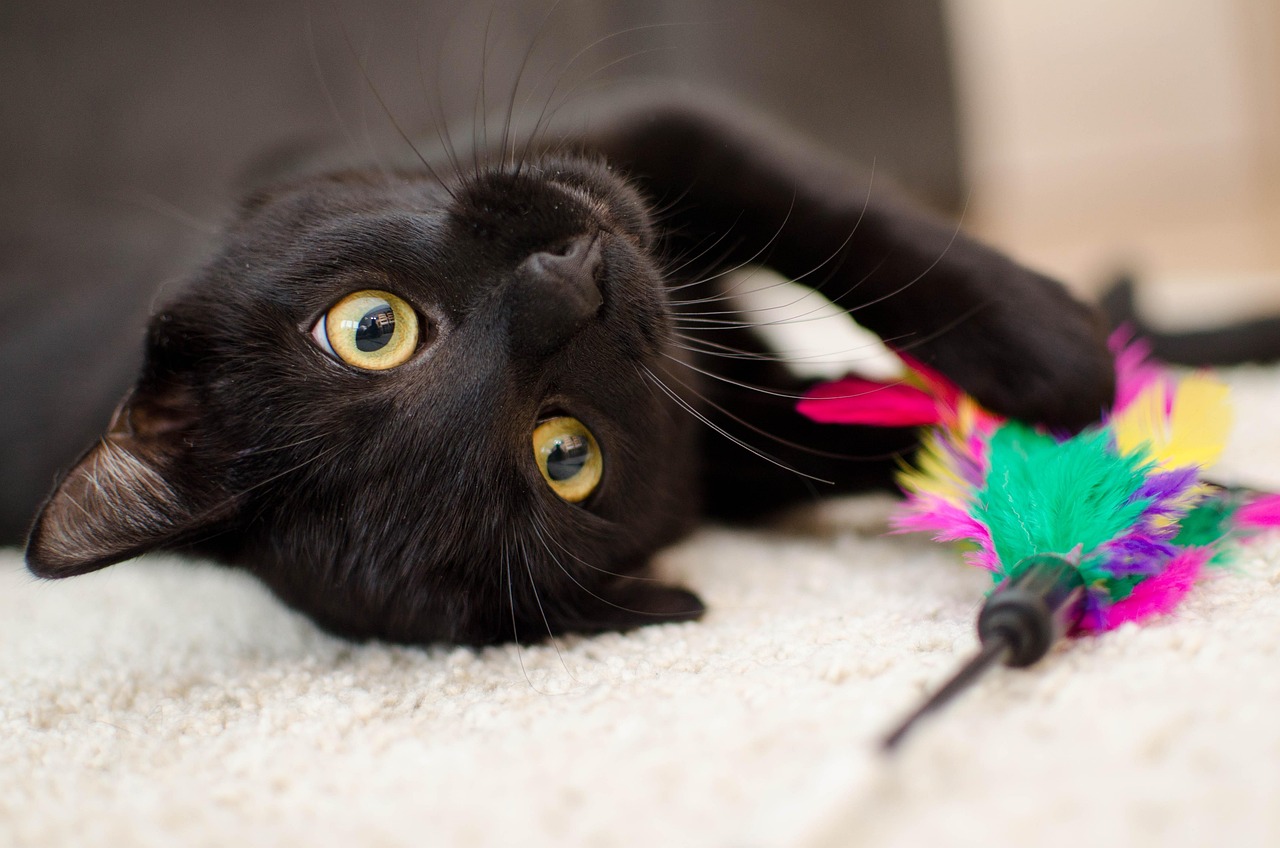

Teaching Your Cat to Relax on Command
Establishing a calm environment is essential when teaching your cat to relax on command. Begin by identifying a quiet space in your home, preferably away from loud noises and distractions. This tranquility helps your cat associate relaxation commands with a peaceful place. Use soft lighting and soothing music to create an ambiance that encourages stress-free vibes. Engage your cat during training sessions by using treats or toys as positive reinforcement. It’s essential to remain patient and attentive to their comfort levels. Slowly introduce the relaxation command using a specific word or phrase, such as “relax” or “breathe in”. Say the command when your cat is in a calm state and reward them. Gradually repeat this process multiple times to reinforce the connection between the command and relaxation behavior. Consistency is crucial during training. Incorporating short, frequent sessions can improve retention of the command. Document your cat’s progress and adjust strategies if necessary. Consider the following tactics to foster relaxation: a warm blanket, gentle petting, or using calming pheromone diffusers for extra support in creating a calm atmosphere. All these elements contribute to a successful training session.
Once the basics are established, it’s time to incorporate relaxation techniques into your cat’s daily routine. Regularly engage your cat in activities that promote relaxation, such as gentle grooming or playing with soft toys. This not only strengthens your bond but also reinforces the desired behavior. Pay attention to your cat’s body language. Signs of stress, like flattened ears or a twitching tail, indicate that they may need a break. Recognize when to stop training if your cat shows signs of discomfort and gradually reintroduce the command later. Incorporate their favorite spots or fun toys to make training a rewarding and enjoyable experience. Be attentive to their preferences: some cats might prefer high perches, while others thrive on soft surfaces. Practicing mindfulness with your cat can be beneficial, too. Follow up your training with calming stretches or gentle massage techniques to further relax your furry friend. This added physical touch can enhance the bonding experience and reinforce relaxation cues. Eventually, your cat will learn to embrace the command during stressful situations, allowing them to feel secure and relaxed anywhere, making it an essential skill for both of you.
Understanding Cat Behavior
Monitoring your cat’s behavior during training is crucial for effective learning. Every cat has unique responses to commands, so adjusting techniques based on their needs is key. While some cats might easily adapt to the relaxation command, others may require more time and encouragement. Observe how your cat reacts to various tones of voice and body language. Cats respond well to positivity—use a cheerful tone when you say the command and maintain an inviting posture. Additionally, ensuring your cat feels comfortable in their environment greatly influences their willingness to engage with you. Subtle environmental changes can make a significant difference. Consider introducing comfortable resting spaces with soft blankets or cat beds nearby during training. If your cat appears disinterested, switch to playtime to reinvigorate their spirit. Soon, you will cultivate a pattern of calmness associated with the command. The training experience should feel rewarding for your furry companion. Establish a positive association with relaxation commands so they eagerly respond to cues. Ultimately, success hinges on your patience and dedication, ensuring a solid foundation for enhancing your cat’s emotional well-being.
Incorporating aromatherapy into your cat’s relaxation routine can also yield positive results. Certain scents have calming properties and can help reduce anxiety and stress. For example, lavender and chamomile can create a soothing atmosphere for both you and your cat. Use a diffuser to disperse relaxing scents during training sessions, but ensure it’s safe and specifically designed for pets. Always monitor your cat’s reaction to scents. If they seem uncomfortable or agitated, cease use immediately and consult a veterinarian if necessary. Alternatively, you can introduce soft music or nature sounds to further aid in creating a relaxing environment. Choose gentle tracks aimed at calming pets. Playing background music while practicing commands allows your cat to associate these sounds with relaxation and tranquility. Building a routine around relaxation commands and calming elements provides a framework for future learning sessions. As you progress, gradually introduce commands in varied environments to ensure your cat can respond confidently despite distractions. This consistency will build their trust and reinforce the idea that relaxation is achievable anywhere, providing comfort during potentially stressful situations.
Rewarding Progress
Recognizing and rewarding your cat’s progress is vital in reinforcing relaxation commands. Every time your cat successfully responds to a command, offer verbal praise or a treat to highlight their accomplishments. This process not only encourages good behavior but also strengthens your bond. Regularly monitoring your cat’s stress levels during this training phase is essential. Pay attention to when they exhibit signs of being relaxed and reward those instances. Gradually reduce treat usage as they become more accustomed to responding correctly. Instead, focus on providing affection or positive affirmations to reinforce the behavior. Keeping records of your training sessions will clarify which techniques work best and motivate both of you. If progress stalls, reevaluate your strategies and be open to trying alternative approaches. Adapting to your cat’s needs is necessary for success, as every feline learns at their own pace. Committed practice with positive reinforcement encourages durable learning. Continue fostering a nurturing environment even outside training sessions, integrating relaxation cues into their daily play. This way, your cat feels comfortable and supported while learning how to relax on command and face everyday situations with confidence.
Lastly, consistency remains critical in your training journey. Regularly practicing relaxation commands will help cement your cat’s understanding and memory of the command. Establish a routine that incorporates practice into your daily life. This may include morning routines or evening chill time to reinforce the learned behavior. Additionally, ensure that all members in the household utilize the same command consistently. Inconsistent cues can confuse or frustrate your cat, undermining the purpose of training. Consider creating a training schedule that indicates practice times and monitors progress. Keeping sessions short yet effective is prudent, as cats can easily lose focus or become bored. Gradually increase the complexity as they become adept at the initial command. Once comfortable with basic relaxation, you can challenge them further by introducing slight distractions. This will gradually prepare them for real-life scenarios where relaxation is essential. With dedication and love, your cat will learn the command, and relaxation will become second nature. Enjoy their journey to tranquility while strengthening your bond, creating a happier home for both of you.
Conclusion
Training your cat to relax on command benefits their mental health and strengthens the bond between you. By establishing a calm environment, using positive reinforcement, and monitoring their progress, you create an effective learning pathway. Incorporate relaxation techniques, aromatherapy, and soft music to reinforce a soothing atmosphere. Understanding your cat’s behavioral cues is paramount. Always adjust your training methods in response to their reactions, proving adaptable to their unique needs. Consistent routines will help embed relaxation cues into your cat’s daily life, enhancing their well-being and providing comfort in various situations. Be patient with their learning journey, celebrating every small victory along the way. Finally, instilling relaxation commands will ultimately lead you and your cat to experience moments of tranquility together. This process deepens your connection and enriches your shared life. Remember that every feline is different and may learn at varying rates. It’s imperative to remain patient and committed. Enjoy the journey as both you and your cat become more attuned to each other’s needs, culminating in a harmonious living environment filled with love and relaxation.
This is the final paragraph with exactly 190 words…