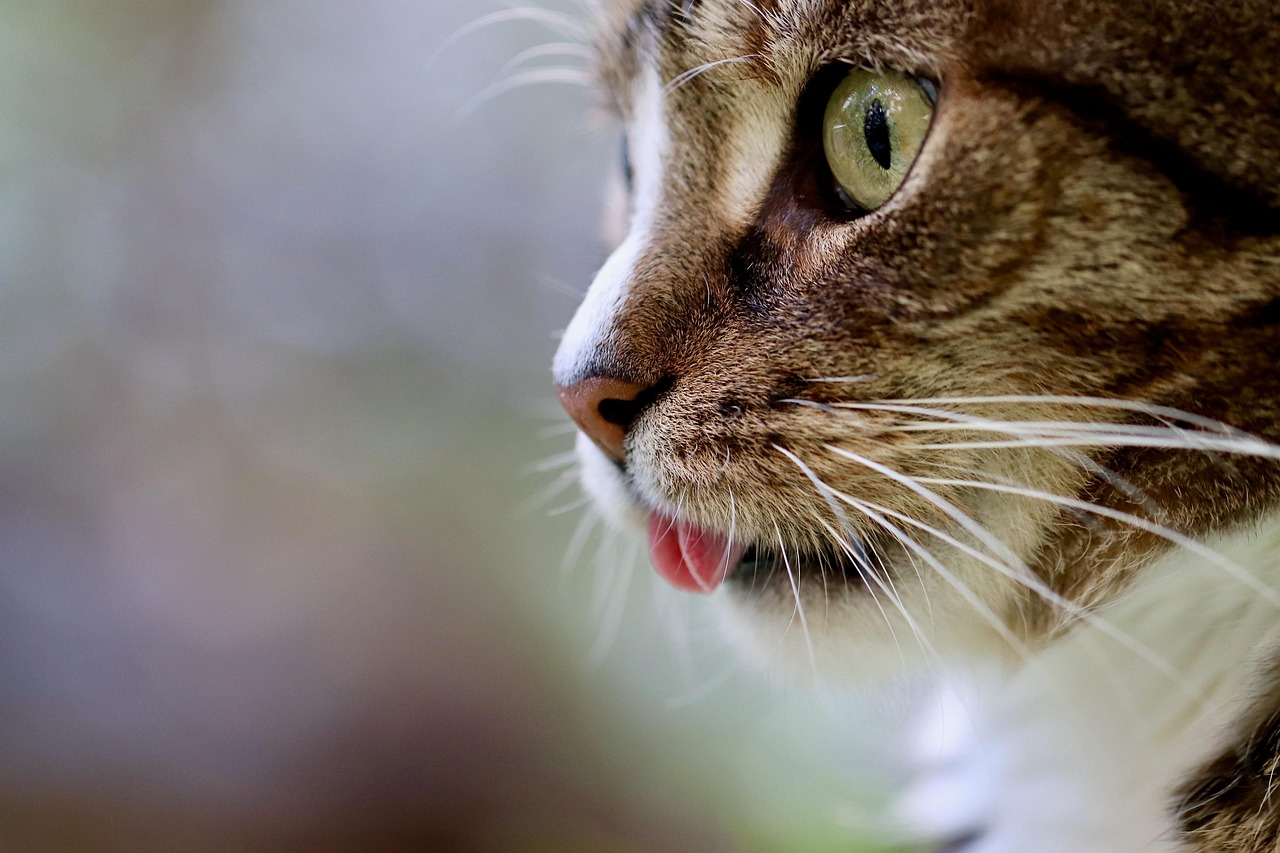

Addressing Behavioral Problems in Cats Through Specialized Training
Understanding cat behavior is crucial for any pet owner facing challenges with their feline companions. A primary behavioral issue seen in many cats is aggression. This can manifest during playtime or as a defensive posture. Identifying triggers is essential. Is the cat fearing something or someone? Reacting to climatic changes? Understanding these nuances helps in addressing such behavior with effective training. Another common problem is inappropriate elimination, wherein cats may urinate outside their litter box. This is often linked to stress or medical issues. Ensuring a clean and accessible litter area is crucial. Cats are sensitive creatures, so stress management is vital to prevent recurring issues. Lastly, excessive vocalization can occur, signaling distress or seeking attention. Owners must learn to recognize their cat’s specific calls, adjusting their responses accordingly to avoid reinforcing undesirable behavior patterns. Behavioral modifications often involve positive reinforcement techniques. Rewarding good behavior fosters a stronger bond between the pet and owner. With patience and a proper understanding of feline behavior, these issues can be effectively resolved, creating a harmonious household for both the cat and its owner.
Establishing a routine can significantly contribute to a cat’s behavioral stability. Felines benefit from structured environments that provide predictability in their daily lives. Scheduled feeding, play, and rest times allow cats to feel secure. In addition, regular engagement is paramount, helping them expend excess energy that can lead to disruptive behaviors. Playtime should include interactive toys that stimulate their hunting instincts. Feather wands, laser pointers, and puzzle feeders can keep a cat entertained, reducing stress levels. Also, creating a diverse environment by adding climbing structures is beneficial. Scratching posts and cat trees not only serve as entertainment but also satisfy their natural instincts. Cats also enjoy the chance to observe their territory from elevated spots. Another behavioral issue is the tendency to hide or exhibit signs of extreme shyness. Providing a safe place for retreat, such as cozy beds or hideaways, can help cats feel more secure. By acknowledging these behavioral traits, owners can prepare their homes accordingly. Socialization is equally important; inviting friends over to meet the cat gradually can reduce anxiety associated with unfamiliar faces in their space. Ultimately, these steps contribute to an emotionally stable and well-behaved feline.
Understanding Triggers for Behavioral Issues
Identifying triggers for behavioral issues in cats is a fundamental part of effective training. Owners should closely observe their cats’ behavior to pinpoint specific stressors. Common triggers might include loud noises, unfamiliar visitors, or changes in routine. For example, a sudden thunderstorm can cause anxiety in some felines. Similarly, moving to a new home or remodeling can disrupt a cat’s sense of security, leading to behavioral regression. Keeping a journal to track a cat’s reactions to various situations can help in identifying these triggers. Also, consulting with a veterinarian can provide insights into whether a medical condition is prompting behavioral concerns. Health issues often manifest through altered behavior. Conditions like hyperthyroidism or urinary tract infections can cause aggression or inappropriate elimination habits. An early diagnosis can prevent further complications. Furthermore, it’s essential to consider the cat’s dose of social interaction. Cats are often solitary creatures but still need socialization. Gradually introducing them to multiple environments, individuals, or even other pets can alleviate anxiety and reduce behavioral problems. By understanding the root cause, owners can implement interventions that promote a more balanced disposition in their pets.
Training cats requires patience and a tailored approach. Unlike dogs, feline training methods might differ significantly. Most cats respond better to positive reinforcement rather than punishment. When a cat exhibits desired behavior, owners should promptly reward them with treats or affection. This method encourages them to repeat the behavior, reinforcing a bond of trust between the pet and the owner. When attempting to curb negative behaviors, timely and consistent responses are essential. Ignoring undesired actions while rewarding good behaviors ensures clarity in communication. Additionally, short and frequent training sessions are often more effective than longer ones, as cats typically exhibit shorter attention spans. During the training process, it’s vital for owners to remain calm and avoid frustration, as negative energy can deter progress. Owners should also consider the individual quirks of their cats. Each feline has a unique personality, affecting its response to training methods. Thus, techniques may need to be adapted to suit their temperament. Ultimately, fostering a pleasant and enjoyable training experience for both owner and pet will yield better results and promote a positive atmosphere in the home.
The Importance of a Safe Environment
A safe and enriching environment plays a vital role in reducing behavioral problems in cats. Establishing a designated space for a cat allows them to feel grounded. This personal territory should include scratching posts, comfortable surfaces, and toys that cater to their natural instincts. Furthermore, a safe environment minimizes exposure to potential stressors, reducing anxiety-related behaviors like aggression or hiding. Flowers and plants that are toxic to cats should be removed. Locks on cabinets or pantries can effectively prevent access to dangerous cleaning products or food items that are harmful to felines. Moreover, providing vertical spaces like shelves or cat trees gives them a sense of control over their surrounding area. Many cats feel secure when they can climb and observe their environment from an elevated vantage point. Besides physical safety, ensuring mental stimulation through varied toys, interaction, and play is critical. Boredom can lead to destructive behaviors, so it is essential to rotate toys regularly and introduce new challenges. Ultimately, a well-crafted environment paired with appropriate training methods fosters happier, healthier cats that can thrive in their homes.
Socialization is a critical aspect of addressing behavioral issues in cats. Cats that are inadequately socialized may become fearful or aggressive toward unfamiliar people or pets. Early exposure to various stimuli can mitigate these tendencies. Introducing a kitten to different environments, sounds, and individuals fosters adaptability and confidence. Furthermore, gradual exposure to new experiences helps reduce anxiety and fear responses. However, this process needs to be managed carefully. Rushing a cat into a situation where it feels overwhelmed can lead to negative associations. Instead, allow the cat to explore at its own pace, using treats to create positive experiences. Adult cats can also benefit from socialization training, though it may take longer for them to adapt. Engaging in cat training classes can also provide structured socialization opportunities. These classes allow cats to meet their peers and become accustomed to a training environment. Additionally, owners can collaborate with professionals, such as animal behaviorists, to embark on their socialization journey. Addressing and managing these social and behavioral aspects ensures the cat evolves into a balanced and well-adjusted companion for years to come.
Long-term Strategies for Behavior Management
Implementing long-term strategies for managing cat behaviors involves consistency and commitment. Owners must remain vigilant in recognizing and addressing potential issues. Positive reinforcement should be a staple method, encouraging desirable behavior while discouraging negative actions. Alongside this, maintaining a calm and predictable environment is crucial. Recognizing that changes can be stressful for cats, owners should strive to maintain stability in a cat’s feeding, playtime, and sleeping routines. These consistent patterns lead to greater emotional stability in the feline. Moreover, owners can create behavioral plans tailored to their cat’s unique needs. Keeping track of triggers and responses can help owners refine their strategies, enhancing effectiveness. Engaging the cat in regular exercises allows them to release pent-up energy and foster their playful nature. Consider diversifying engaging activities that stimulate both physical and mental engagement. Additionally, nurturing the bond between the owner and the cat lays the foundation for effective communication. Regular grooming, pets, and play can build trust, making cats more responsive to training. By fostering this connection, owners create an environment where learning and behavioral modification feel natural, contributing to a lifetime of harmony.
Seeking guidance from professionals can enhance how owners approach cat training. Animal behaviorists and trainers possess valuable expertise that can significantly impact behavioral management. These professionals can assess your cat’s unique needs and offer personalized training solutions. Additionally, they can identify underlying issues that owners may overlook. Some cats may struggle due to previous traumatic experiences, making understanding their history vital for successful training. Furthermore, consulting with a veterinarian ensures that behavioral problems are not rooted in medical conditions. Health issues can alter a cat’s behavior dramatically. Consequently, a thorough veterinary check can prevent misdiagnosing behavioral concerns. Online resources also offer insights into specific training techniques, fostering a better understanding of the cat’s needs. Websites and communities dedicated to cat care provide a wealth of information from experienced owners and experts. Engaging with these resources can help reduce feelings of isolation that owners may experience when dealing with behavioral challenges. Combining personal commitment, professional advice, and community support ultimately leads to a comprehensive approach in addressing behavioral issues. With dedication and knowledge, owners can nurture well-adjusted cats, enriching their lives and enhancing the human-animal bond.