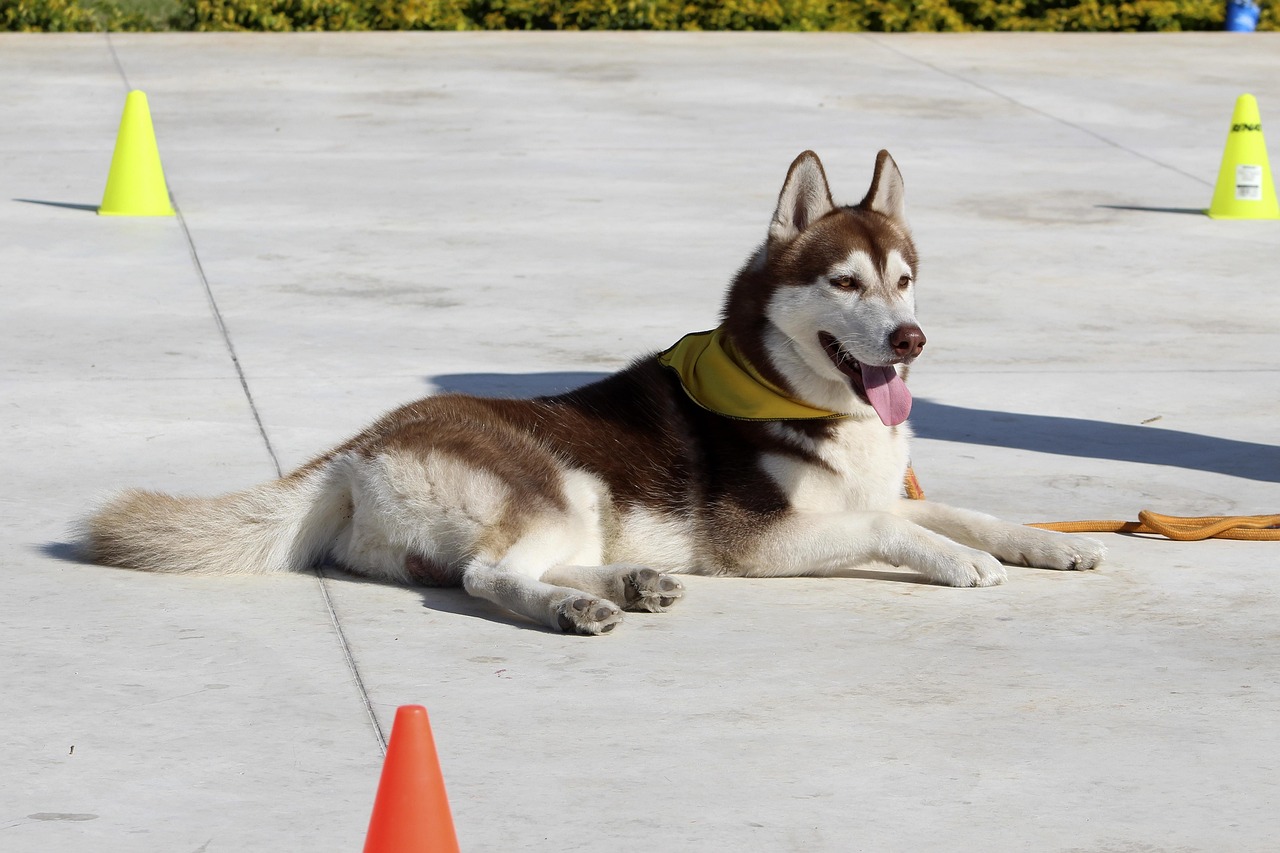

The Role of Patience and Consistency in Teaching the “Leave It” Command
The “Leave It” command is an essential skill for any dog owner. It’s designed to prevent your dog from picking up objects or engaging with distractions that may be harmful or unwanted. The key to effectively teaching this command lies in two fundamental principles: patience and consistency. Success in training will rely on your ability to remain calm and composed, especially in challenging situations. When you ask your dog to “leave it,” they should respond immediately. This requires you to provide clear and consistent signals that they must understand. Employ a positive and encouraging tone to associate favorably with the command. Use treats to reinforce good behavior and create a dynamic where your pet eagerly anticipates responsiveness. Reinforcing this learning necessitates practice in various contexts, ensuring the command is understood everywhere. This can include home environments, parks, or any area where your dog may encounter distractions. Running through this framework consistently sets the stage for positive reinforcement and success for both you and your dog.
Establishing a routine is crucial in teaching your dog the “Leave It” command effectively. Creating a schedule that factors in daily training sessions will not only make the process more seamless but will also help your dog understand what to expect. Consistent repetition of the command using the same tone and gestures fosters familiarity, which is essential for your dog’s learning. During each training session, it is valuable to have a set of distractions ready to enhance the practice’s complexity. These distractions can evolve from simple items to more complex scenarios, gauging your dog’s response as training progresses. Utilize various treats or favorite toys to maintain your dog’s attention while practicing. If your dog fails to respond, don’t get frustrated; instead, return to simpler tasks that they can master before ramping up the challenge again. Recognizing your dog’s potential and celebrating every small success contributes significantly to building their confidence and motivation. Remember, successful training transcends mere commands and embodies a relationship built on communication, reliability, and mutual respect, ultimately laying a strong foundation.
Building Positive Associations
Building a positive association with the “Leave It” command is crucial for effective training. Pairing the command with something rewarding—such as treats or praise—encourages your dog to respond favorably. When your dog successfully leaves an object or distraction on command, it’s vital to reward them immediately. This instantaneous reinforcement solidifies the connection between the behavior and obtaining a reward. Use high-value treats or toys occasionally to fuel their excitement, increasing motivation. Additionally, avoid overwhelming your dog with too many commands at once; instead, introduce the “Leave It” command in controlled environments. Practice in low-distraction settings initially before gradually introducing new elements or distractions. Consider using your dog’s favorite items as temptations for meaningful training. When your dog successfully obeys, reward them liberally to reinforce correct behavior. The role of patience becomes crucial here, as it may take time for your dog to fully grasp their expectations. Celebrate each victory, and never punish failures; this could lead to anxiety or confusion. By fostering a structured and rewarding environment, you cultivate a loyal obedience through the association of positive consequences with the command.
One common mistake in training the “Leave It” command is inconsistent reinforcement. This occurs when a dog receives treats or praise only sporadically instead of every time they perform the command correctly. Establishing a consistent system of rewards helps your dog understand the expectations clearly. Consistency not only simplifies their learning process but also reinforces your role as a dependable leader. When training, take care to use the same language and cues. Utilizing different phrases or tones can confuse your dog, leading them to question what you are asking. Regularly practicing during various walks or excursions deepens comprehension and enhances reliability. Introduce distractions during these outings so that your dog can learn in real-time, engaging them proactively in training. When distractions arise, it is critical to employ the command calmly and firmly. Use the opportunity to utilize rewards when your dog listens, framing the experience positively. If they fail to respond and become distracted, it’s okay; this is part of the learning curve. Remember to always keep sessions positive and light-hearted, as stress can hinder the learning process.
Importance of Timing
Effective training is highly dependent on timing when establishing the “Leave It” command. The moment you introduce the command is crucial; therefore, anticipation of distractions should be part of your strategy. Focus on timing your command with specific actions to create a solid foundation for thinking on their feet. Timely commands allow your dog to learn to associate the phrase with the desired behavior almost instantaneously. The moment your dog looks at a tempting object, deliver the command promptly! If the word comes too late, the connection may be lost, and your dog will fail to make the right association. To maximize clarity, ensure your initial commands are given during planned training exercises rather than spontaneous moments. This removes confusion and allows a structured practice to unfold. Consistent, clear interaction fosters not only learning but a sense of trust between you and your dog. Celebrate milestones and feel free to adjust your timing as your dog becomes more adept at the command. The focus should always remain on developing a strong and supportive bond through strategic learning rather than purely checking off tasks.
Incorporating a variety of training scenarios is essential for effectively teaching the “Leave It” command. Training should occur in multiple environments and during different contexts to promote adaptability. This adaptability is critical when it comes to executing commands in the real world outside of the controlled training environment. Start by teaching in familiar areas, then progressively introduce new locations that contain more complex distractions. A dog exposed to diverse scenarios will be better prepared to make decisions when facing enticing distractions. Arrange practice sessions in parks or busy streets to simulate real-life situations, encouraging quick and decisive obedience. However, don’t drop them straight into the deep end; start slow and build gradually, offering plenty of rewards for good behavior. An important aspect of this flexible training is sustaining a relaxed atmosphere, allowing your dog to feel less stressed about distractions they may encounter in everyday life. Always bring treats or favorite toys along with you, further enticing your dog to focus on you amid new surroundings. Lastly, remember that training is a journey, and every dog may learn at their own pace.
Conclusion: The Path to Successful Training
In conclusion, the key to mastering the “Leave It” command with your dog lies in both patience and consistency. Every important step in the training process builds a foundation for understanding and trust. Training should not merely be about obedience but rather developing a strong bond that encourages a pet to comply with your commands willingly. By ensuring a consistent training routine that emphasizes clear communication with your dog, you create an environment ripe for success. Engage in positive reinforcement practices, ensuring that rewards accompany correct responses to build enthusiasm more effectively. Make adjustments as necessary according to your dog’s behavior, striving always to maintain an encouraging and non-stressful atmosphere. Incorporating variety into your training helps keep your dog alert and adaptable, preparing them for real-world challenges beyond expected environments. Remember, successful training not only facilitates commands but also transforms learning into a satisfying and enjoyable experience for both you and your dog. With time, your furry friend will become responsive to your wishes naturally, showcasing the fruits of your dedication and teamwork.
Always relish the journey of training. It’s about growth, understanding, and, of course, mutual love. Here’s to ongoing success in teaching your dog the “Leave It” command!