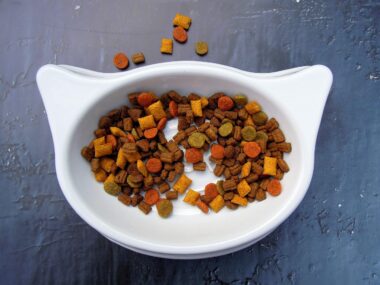

Homemade Cat Food: Safety Guidelines for Cat Owners
When it comes to homemade cat food, safety is of utmost importance. Not only do you want to ensure that your cat is receiving proper nutrition, but you also need to be aware of any potential hazards. First and foremost, always use fresh ingredients. Spoiled or old ingredients can contain harmful bacteria, which could make your pet very sick. Additionally, it’s crucial to understand the dietary needs of your cat. Cats are obligate carnivores, which means their diet should primarily consist of meat. Make sure you are including appropriate sources of vitamins and minerals in their meals. Common ingredients in homemade cat food include chicken, turkey, or fish, but make sure to consult a vet for any additional supplements. Always cook meat thoroughly to kill any harmful bacteria and avoid feeding raw ingredients. Furthermore, avoid using ingredients toxic to cats, such as onions, garlic, and certain herbs. It’s advisable to maintain a clean cooking area and wash all utensils used in the preparation. This will help prevent cross-contamination that can lead to foodborne illnesses.
It’s also vital to store homemade cat food properly. Refrigeration is key to maintaining food safety. Prepare only those amounts your cat can consume in a few days. If you prepare larger batches, consider freezing portions for future meals. When storing homemade cat food, use airtight containers to keep it fresh and avoid contamination. Label each container with the date it was made to ensure you use it within a safe timeframe. Thaw any frozen cat food in the refrigerator overnight rather than at room temperature, as this will help reduce bacterial growth. It could also be beneficial to familiarize yourself with proper food handling techniques. Following simple hygiene practices such as washing your hands before food preparation can decrease the risk of foodborne illness. Regular visits to the vet can ensure your cat remains healthy and receives the nutrients they need. Once you establish a safe routine for making homemade cat food, you can enjoy the meal prep process. Provide variety by trying different recipes that meet the safety guidelines discussed.
Common Ingredients to Consider
Using quality ingredients is essential when preparing homemade cat food. Consider incorporating protein sources that are safe for cats. Lean meats like chicken, turkey, and beef are excellent choices. Fish can be included but should not be the primary protein source due to potential mercury content. It’s advisable to limit tuna as an ingredient, which some owners frequently underestimate. Eggs are another viable source of protein and can be cooked or raw if your cat tolerates them well, ensuring they meet safety requirements. Carbohydrates can be included in moderation. Safe options are sweet potatoes or brown rice, which can provide additional energy. Always introduce these ingredients gradually to monitor for any adverse reactions. Also, consider adding essential vitamins and minerals like taurine, which promotes heart health and eye function. Commercial supplements could help bridge any nutritional gaps but consult your vet for recommendations. Sticking to known safe ingredients helps avoid any potential harmful types. Before preparing meals, check for any allergies or intolerances your cat may have. Keeping a close eye on their reaction helps create a balanced and safe homemade diet.
While preparing homemade cat food, utilizing proper cooking techniques is crucial. Cooked food minimizes the risk of pathogens that could harm your cat’s health. Steaming, boiling, or baking meat until fully cooked is recommended, as it kills harmful bacteria. Avoid frying, which can add unnecessary fats and toxins harmful to feline health. It’s also essential to avoid seasoning the food with salt and spices, as these can be harmful to cats’ bodies. Instead, stick with plain, unsalted ingredients. Regularly rotate the types of proteins or fibers in their meals to provide them with a richer variety of nutrients. Monitoring your cat’s reaction to dietary adjustments is important; if they exhibit unusual signs like vomiting or diarrhea, consult a veterinarian immediately. Moreover, proper portion sizes should be adhered to while serving your cat. Overfeeding can lead to obesity and other health issues. Follow general guidelines for serving sizes based on your cat’s weight and activity levels. Keeping track of what your cat consumes can be beneficial for both their long-term health. A well-balanced diet will give your cat the energy they need to lead an active, healthy life.
Consulting Your Veterinarian
Consultation with a veterinarian can significantly enhance your capability to make homemade cat food safely. Every cat has unique dietary needs that must be met for optimal health. A veterinarian can analyze those needs based on age, weight, breed, and current health status. They may recommend special diets for certain conditions, such as kidney disease or allergies, which can help inform your recipes. Additionally, they can provide advice on sourcing ingredients and how to prepare them safely to eliminate harmful bacteria. Your vet can also recommend specific vitamins or supplements that could benefit your cat. Regular vet visits allow you to monitor your cat’s health closely and detect any potential issues early. They can guide you in adjusting recipes or ingredients if necessary. Keeping your cat healthy means ongoing communication with your veterinarian to tailor their diet as they age. Ultimately, ensuring your cat receives the right nutrients requires continual adjustment and monitoring that a professional could facilitate greatly. Take detailed notes regarding your cat’s varying health needs that can improve the effectiveness of consultations.
Another key aspect of safe homemade cat food involves maintaining an eye on any food changes and challenges. Be aware that any dietary changes, especially sudden ones, can lead to digestive upset. Transitioning to homemade food from commercial options should be gradual, introducing small amounts blended with their usual food for a week or more. This helps your cat acclimate and allows their digestive system to adjust appropriately. Observe them closely during this transition period and watch for signs of hesitation or distress. If any adverse reactions appear, revert to their previous food and consult a veterinarian. Also, consider keeping a food diary to track what you prepare and when. This not only helps in avoiding repetitive meals but can track patterns in your cat’s health, behavior, and overall mood. Cats thrive on routine, so a consistent feeding schedule is important. Overall, homemade cat food can be a rewarding experience that allows you to better understand your cat’s needs. This informed approach ensures that you maintain quality and safety during food preparation.
Conclusion
In conclusion, making homemade cat food can be a safe and enjoyable process when employing proper safety measures. Focus on using fresh and cat-safe ingredients, which provide a healthy balance for your pet. Being meticulous about hygiene and storage can help prevent foodborne illnesses. Consulting with a veterinarian will enhance your understanding and guide you as you navigate this new approach to feeding your cat. It allows you to ensure they receive all essential nutrients while keeping their unique health conditions in mind. Incorporate variety into their meals while being cautious about proportions. This approach safeguards against excessive weight gain and promotes overall longevity. Remember the importance of gradual transitions between different diet forms to prevent upsets. Tracking your cat’s food intake while keeping detailed notes will enhance the management of their diet. Homemade cat food should be an ongoing learning experience that enriches both you and your feline companion’s lives. By following these guidelines, you are likely on the path toward a healthier, happier cat. Your effort to prioritize safe homemade meals demonstrates love and commitment to their well-being.
Then and finally, enjoy the benefits that homemade cat food can offer. You’re providing personalized meals and engaging in a bonding activity between you and your pet. This process becomes not just about feeding but about building trust and deepening your relationship. Homemade food provides transparency in what goes into your cat’s diet, eliminating any concerns over fillers or potentially harmful ingredients. You have the opportunity to handpick each component, allowing for customization to fit your cat’s taste and nutrition needs perfectly. Additionally, you may find yourself enjoying the creative aspect of devising new recipes and updating existing ones. In this journey, you might discover even healthier ingredients to add to their diet. As your feline friend enjoys their meals, pay attention to changes in energy levels, coat condition, and overall health. These signs will indicate whether the nutrition plan is effective. If adjustments need to be made, don’t hesitate to reach out to professionals for advice. The satisfaction of knowing you’re providing your cat with wholesome meals will outweigh any challenges faced during the adjustment period.