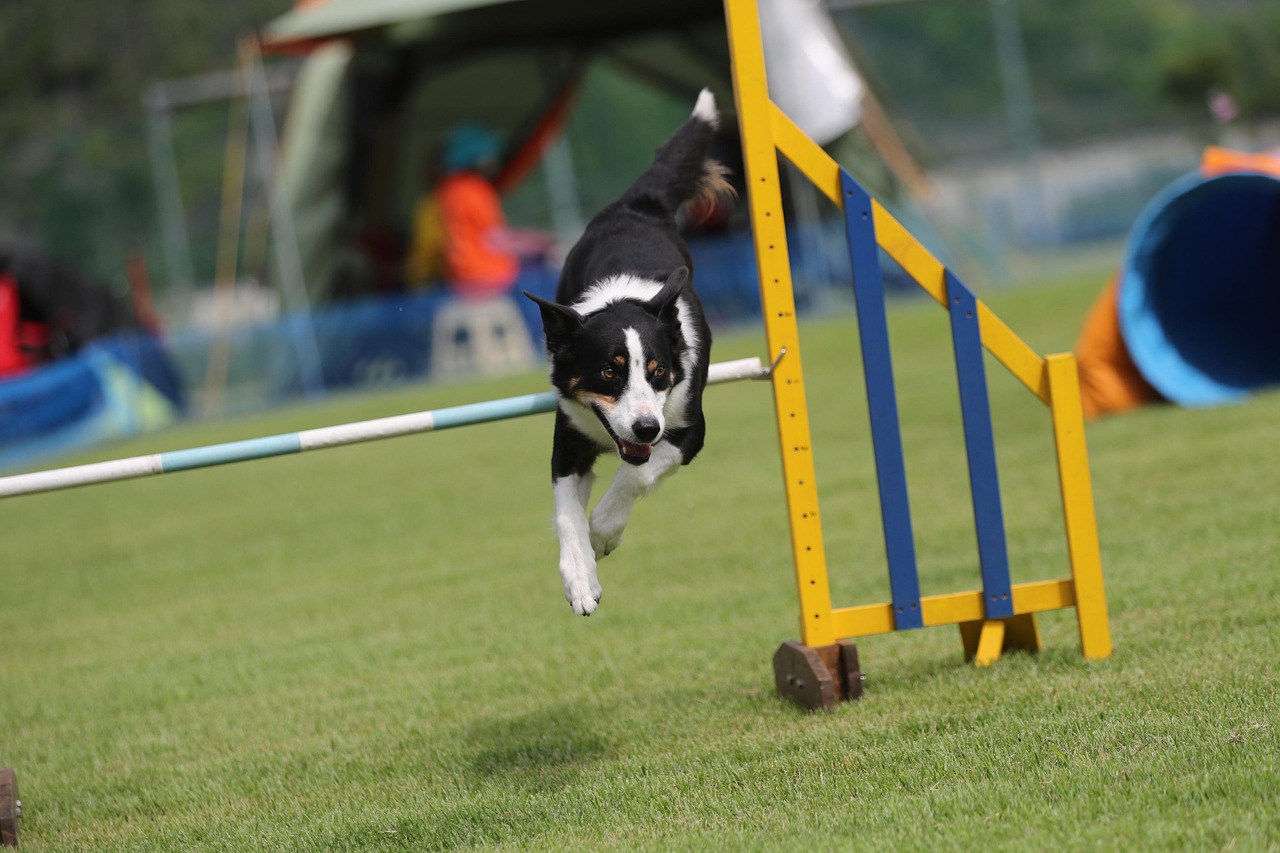

How to Incorporate the ‘Go Around’ Command into Agility Training
Training your dog effectively requires understanding various commands, including the ‘Go Around’ command. This command is essential in agility training, helping dogs navigate around obstacles smoothly. Begin by introducing this command in a quiet, distraction-free environment. Use positive reinforcement, like treats or praise, to encourage your dog. Start with a simple obstacle, such as a cone or a barrel, and use hand signals to guide your dog around it. As your dog successfully completes the task, be consistent with your commands. Gradually increase the complexity of the obstacle course. This gradual progression prevents your dog from becoming overwhelmed. Consistency in your training will help solidify the command in your dog’s mind. Ensure that every successful attempt is rewarded with a treat or praise. Over time, your dog will learn to anticipate the command, making agility training smoother. Remember, patience is vital. Training sessions should be short, engaging, and enjoyable for both you and your dog. Keep records of your dog’s progress to identify areas that may need more attention. This structured approach will build your dog’s confidence and skill in agility training.
As you progress with the ‘Go Around’ command, it’s important to establish clear communication with your dog. Your tone, body language, and facial expressions all contribute to how your dog perceives your commands. Make sure to use a cheerful and enthusiastic tone when issuing commands. This can significantly enhance your dog’s motivation, encouraging them to engage in the activity. Additionally, align your body language with the command you are giving. For instance, point to the obstacle while saying the command. This visual cue reinforces your verbal command and helps your dog understand what you need them to do. Practicing regularly will help reinforce this communication system. Whenever your dog completes the command, regardless of whether it was perfect, offer praise. This positive reinforcement helps build a strong bond between you and your dog. Always aim to end your training sessions on a positive note, encouraging your dog to look forward to future practice. With consistent practice, your dog will become more confident in executing the command. This confidence will translate into better performance in actual agility events, showcasing your dog’s abilities more effectively.
Common Mistakes to Avoid
Training your dog involves trial and error; however, some common mistakes can hinder progress. One major mistake is expecting too much too soon from your dog. Each dog learns at its own pace, and impatience can lead to frustration for both trainer and dog. Be mindful of your dog’s signals, and don’t push them into performing beyond their current capabilities. If your dog seems confused or nervous, take a step back. Instead, simplify the tasks to ensure they have a strong grasp on the command. Another mistake is inconsistency. Sometimes using different commands or signals can confuse your dog. Maintain uniformity in training commands to help them better understand what is expected. Consistently rewarding your dog for completing the ‘Go Around’ command can speed up their learning process. Additionally, avoid training in high-stress environments. Distractions can compromise your dog’s attention, making learning difficult. Start training in calm places before gradually introducing more distractions. This will help your dog adjust and stay focused. Avoid these common pitfalls, and you’ll likely see great improvements in your dog’s agility skills.
Once your dog masters the basics of the ‘Go Around’ command, consider introducing variations to keep the training exciting. Dogs thrive on challenges, and varying the course will help maintain their interest. You might start incorporating different obstacles, such as jumps, tunnels, or weaving poles, into your courses. Each new obstacle presents its own set of challenges and opportunities for your dog to learn further. This variety helps in developing your dog’s agility and adaptability. Also, involve different handlers or trainers to expose your dog to different people giving the same commands. This will prepare them for real-life scenarios, like agility competitions. Furthermore, using toys as incentives can elevate their motivation. They might find it more exciting to fetch a toy while executing the ‘Go Around’ command. Include a toy reward after they follow your command correctly. This not only enhances their learning experience but also strengthens your bond through play. Remember, agility training should always be fun and enjoyable for both of you, encouraging a positive training atmosphere that leads to success.
Building Agility Equipment at Home
Creating your own agility course at home can be both cost-effective and fun. Many dog owners enjoy making DIY agility equipment that suits their dog’s training needs. One simple project includes constructing jumps using PVC pipes and connectors. These jumps can be easily adjusted to accommodate your dog’s height, ensuring safety during practice. For a weave pole setup, use garden stakes or similar objects, spaced evenly apart. Tunnels can be made from strong cardboard boxes or lightweight, collapsible fabric tunnels available in pet stores. These homemade obstacles can be adapted for the ‘Go Around’ command, providing your dog with practice space. Ensure the obstacles are stable and secure to avoid injuries during practice. Always supervise your dog while training with homemade equipment, especially when they are just learning the ‘Go Around’ command. Regularly check the condition of your equipment to ensure it remains safe and usable. Building your agility course not only saves money but also allows you to customize the layout according to your dog’s specific needs and preferences, creating a tailored training experience.
Incorporating the ‘Go Around’ command into public training sessions or agility classes can greatly enhance your dog’s socialization skills. Engaging in group training creates a stimulating environment where your dog learns to focus amidst distractions. It also provides an opportunity for the dog to observe other dogs performing similar commands. When introducing your dog to a group setting, ensure they are comfortable and familiar with the command before challenging them with distractions. Patience is key, as it may take time for your dog to feel confident. Consider asking fellow trainers for support and encouragement during sessions, which can help build your dog’s confidence and focus. Reward your dog frequently during these sessions for following the ‘Go Around’ command despite the surrounding distractions. These interactions help develop your dog’s ability to listen and obey commands amongst different stimuli, an invaluable skill in agility events. Remember to maintain positive reinforcement tactics and keep experiences enjoyable, avoiding overly lengthy sessions to prevent fatigue and loss of focus. With consistent practice, your dog will thrive in navigating various environments while executing commands.
Setting Goals for Training
Effective training often requires setting and achieving specific, measurable goals. Establish clear objectives for incorporating the ‘Go Around’ command into your dog’s agility training program. Begin by identifying the foundational skills your dog needs. These might include basic obedience commands, agility familiarity, and socialization with other dogs. As your dog progresses, set more advanced goals, such as completing complex obstacle courses. Having these goals in mind helps keep your training sessions focused and directed. Evaluate your dog’s progress periodically, adjusting goals as needed to reflect their evolving skills and confidence levels. It’s essential to celebrate both small victories and significant achievements along the way, acknowledging your dog’s efforts to keep motivation high. Make a timeline for your training schedule to hold yourself accountable for regular practice. Setting a clear timeline encourages ongoing engagement and dedication towards achieving your goals. Stay flexible and be prepared to modify your goals based on your dog’s learning pace and personal preferences. This adaptability will foster a positive training experience, ensuring both you and your dog enjoy the journey together.
In conclusion, successfully integrating the ‘Go Around’ command into your dog’s agility training can lead to significant improvements in their skills and confidence. Remember to build a strong foundation through consistent training and positive reinforcement. Utilize a variety of techniques, from basic commands to engaging variations that keep your dog excited. Incorporating socialization tactics ensures that your dog becomes well-rounded, both in training and public settings. Don’t forget to be aware of potential mistakes, adjusting your training style as necessary to create a supportive learning environment. Additionally, consider building your own agility course to enhance their experience, while also assessing and setting achievable goals. Every dog is unique, meaning training requires patience and adaptability to cater to individual needs. Above all, keep the training sessions fun and enjoyable. With regular practice and motivation, you’ll see substantial progress in your dog’s ability to execute commands like the ‘Go Around.’ By committing to this journey together, you can ensure a delightful and rewarding agility training experience, strengthening the bond and communication between you and your furry companion.