
How to Teach Your Dog Alternative Behaviors to Jumping
Jumping behavior in dogs can be a common issue for many pet owners. It often stems from excitement and a desire for attention, particularly when greeting people. To teach your dog alternative behaviors to jumping, it is essential to establish clear expectations and provide consistent training. Start by identifying triggers that lead to jumping, which could include visitors, other animals, or even specific sounds. Gradually desensitize your dog to these triggers by using positive reinforcement techniques. For example, when a visitor arrives, instruct your dog to sit and reward them with treats when they obey. Over time, your dog will learn that sitting instead of jumping brings rewards. Patience and consistency are key; it may take some time for your furry friend to fully adjust. Additionally, ensure you maintain a calm demeanor during training sessions, as excitement can lead to impulsive behavior. By fostering an environment with clear communication and rewards, you can effectively curb your dog’s jumping behavior and promote enjoyable greetings instead.
Incorporating alternative behaviors into your dog’s training routine is beneficial in many aspects. Not only does it reduce jumping, but it also helps to instill discipline and improves overall obedience. Teaching your dog to perform an alternative behavior, such as lying down or going to their mat, can be more effective than simply trying to suppress unwanted jumping. When choosing an alternative behavior, consider what aligns best with your dog’s personality and energy level. A hyperactive breed might respond well to ‘fetch’ or ‘stay’, while a more relaxed breed may prefer ‘lie down’. To start, use a clicker or verbal marker to signal the correct behavior and treat them immediately. Consistency remains vital—practice these behaviors in various settings, gradually increasing distractions. Be enthusiastic and rewarding during training sessions to maintain your dog’s interest. Keep these sessions short to prevent boredom or frustration. A positive environment fosters learning and reinforces desired behaviors. By focusing on what your dog should do instead of what they shouldn’t, you encourage a happier and more well-mannered pet that listens effectively.
Understanding Your Dog’s Psychology
Understanding the psychology behind a dog’s jumping behavior is essential for effective training. Jumping is often a sign of excitement, possibly motivated by the intention to greet or play. Dogs naturally react with physical actions when they are excited or happy. To change this behavior, owners must gain insight into how their dogs think and feel. Socialization plays a significant role; dogs learn how to interact through experience with other dogs and humans. If a dog discovers that jumping brings attention—positive or negative—they are likely to continue this behavior. Use this insight to redirect your dog’s energy into positive alternatives. Providing structured social interactions can help manage excessive jumping. Associating excitement with calm behaviors can help adjust their responses. By introducing controlled situations, dogs learn appropriate responses to greetings. Training at various locations, from home to parks, prepares them for different scenarios and reinforces learned behaviors. Ultimately, a better understanding of your dog’s motivations will lead to more effective strategies and a harmonious relationship.
Practice makes perfect in dog training, especially when teaching alternative behaviors. Regular practice is crucial for instilling correct responses in your dog. Dedicate time each day to reinforced training sessions, ensuring they are short, engaging, and fun. Begin in a quiet place free of distractions, gradually introducing environments with more people or sounds as your dog becomes more reliable in their responses. Be patient and celebrate small victories. The timing of the rewards is important; lavish praise or treats immediately after the desired behavior helps the dog connect the action with the reward. Avoid any punishment for jumping as it may create fear rather than understanding. Instead, focus on redirecting their attention back to the appropriate behavior. Consistency in commands and expectations is key. Utilize commands like “Sit” or “Down” consistently and ensure all family members use the same commands to avoid confusing your dog. Good training not only alters behavior but strengthens the bond you share with your dog. Through consistent practice, both the owner and the dog can enjoy progress and growth in their training journey.
Creating a Safe Space for Training
Establishing a safe and comfortable space for your dog’s training will greatly enhance your chances of success. This area should be free from distractions and allow focus on the training tasks. It should also be a positive environment associating with learning and play. Outdoor spaces, such as a backyard, are great for sessions requiring lots of movement. Ensure this area has limited external distractions to keep your dog engaged. For indoor training, use a cordoned-off area or a specific room dedicated to positive reinforcement training. Incorporate familiar items like toys or bedding that help your dog feel at ease and relaxed. Likewise, having various training aids like treats, clickers, and toys organized in this space makes sessions efficient and enjoyable. Additionally, ensure your training schedule fits well with your dog’s routine, as fatigue or hunger can affect their ability to focus. Maximizing comfort can lead to quicker learning; your pet must associate training time not only with discipline but also with fun. A safe training space inspires confidence in your dog to engage and perform without fear or anxiety.
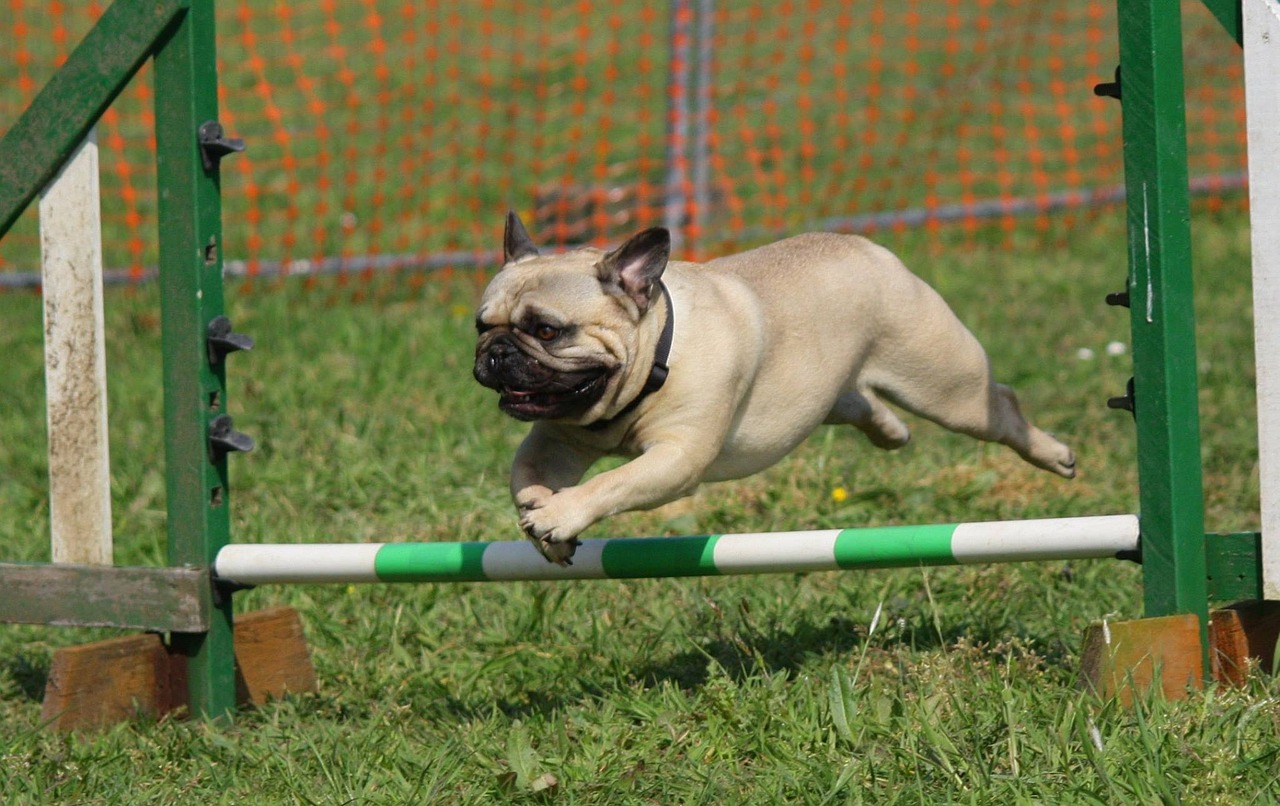
To keep your training sessions effective, consider varying your approach with each session. Dogs thrive on variety and surprise, which can make learning new behaviors more engaging. Using different commands or introducing new tricks can help sustain your dog’s interest. Transition from practicing alternatives to jumping into other fun activities rewarding engagement. Incorporating games or agility exercises can be beneficial and break the monotony of traditional training. These activities often strengthen the bond between you and your dog while keeping sessions lively. Additionally, utilizing various training tools can introduce an element of fun. Interactive toys can encourage your dog to stay focused and engaged. Challenge them with tasks that motivate them while rewarding their efforts. This creativity can lead to a more productive training experience. Remember, however, to ensure the variations align with your pet’s learning pace; pushing too hard can lead to confusion. By keeping each training day fresh, you’ll foster an optimistic atmosphere ideal for enhancing desired behaviors in jumping and other activities.
Reinforcing Good Behavior
Positive reinforcement is an excellent method to encourage your dog and reinforce good behaviors, such as sitting or lying down rather than jumping. Always reward your dog with praise, treats, or playtime immediately following compliant behavior. The goal is to create a clear association in your dog’s mind: good behavior yields favorable outcomes. Consistency ensures they understand what is expected of them in different situations. Aim to recognize and reward even small steps towards acceptable behavior. For example, when your dog remains calm during a visit or interaction, acknowledge them promptly with affection or a treat. Equally important is maintaining a calm presence; your demeanor influences how your dog reacts. Yelling or expressing frustration can create stress and confusion for your pet. Instead, utilize happy tones and encouraging words to create an environment of support. By consistently reinforcing desirable behavior, your dog will gradually learn that calmness and patience yield greater attention and affection from you and others. Thus, reinforcing alternate behaviors will facilitate their development into habits over time.
In conclusion, teaching your dog alternative behaviors to jumping requires a clear understanding of motivations, patience, and consistent training efforts. By focusing on positive reinforcement, effective communication, and an engaging training environment, dog owners can successfully curb jumping behaviors while developing a deeper bond with their pets. Gradually introducing alternative commands, recognizing triggers, and creating an ideal space for training further enhance the learning experience. Always remember that success will take time and that every dog learns at their own pace. Celebrate small achievements, and do not give up if progress slows. Dog training is a journey, and each small step made is a step towards a more well-mannered companion. Implementing these techniques in your daily routine not only creates a more pleasant experience for everyone involved but also encourages your dog to express themselves positively. Through alternate behaviors, your dog will thrive in opportunities for social interaction and feel more secure and confident. As you continue this journey together, you set the foundation for a well-trained dog that knows when to be calm and when to greet with excitement!