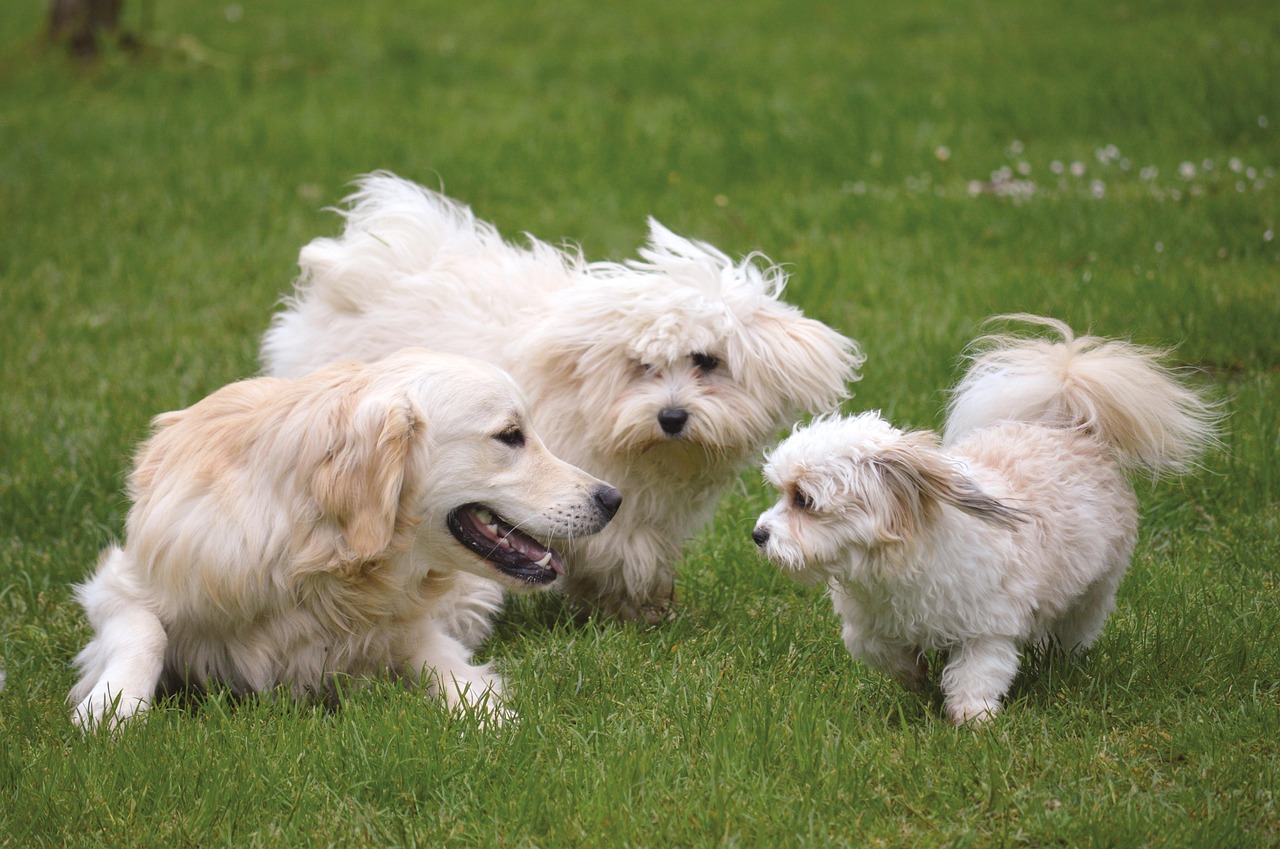

When and How to Seek Professional Help for Dog Socialization Issues
Many dog owners face challenges when it comes to socializing their pets, especially around other animals. Early socialization is crucial for a dog’s development, yet not all dogs acclimate naturally. Factors such as breed, past experiences, and individual temperament can contribute to social issues. This is where seeking professional help becomes essential. Knowing when it’s time to consult a dog behaviorist or professional trainer is key. Signs that a dog may need help include excessive barking, aggression, or fear towards other pets, as well as difficulty in playful interactions. It’s also important to note that if you’re feeling overwhelmed or unsure how to manage your dog’s behavior, professional guidance can provide expertise and support. Dogs that struggle with socialization may experience anxiety and stress, which can further complicate their behavior. In such cases, working with a qualified specialist can lead to better outcomes, improving the overall quality of life for both you and your dog. Professional training sessions can teach effective techniques that encourage positive interactions among pets in various situations. Remember, it’s never too late to seek help for socialization issues.
When you decide to seek help, look for trainers or behaviorists who specialize in socialization. A thorough background check is necessary to ensure a trainer’s legitimacy and experience. This might involve asking for references, checking online reviews, and confirming any certifications they may possess. A qualified training professional will assess your dog’s behaviors comprehensively before recommending specific approaches. Their experience with diverse breeds and issues will be invaluable in addressing your dog’s unique needs. Furthermore, it may be beneficial to attend puppy classes or group training to encourage interaction with other pets. When observing, look for signs that show a trainer has a gentle, positive approach. This could involve using treats as rewards and innovative methods to foster comfort and engagement. A trainer familiar with dog behavior can tailor sessions to incorporate essential socialization skills, from greetings with other dogs to comfortable walking practices. They might also introduce controlled playdates to gradually expose your dog to other animals. Continual assessment and adaptation of methods are vital to ensure progress. Their guidance not only helps improve your dog’s behavior but also fosters a stronger bond between you and your furry companion.
Training sessions should be consistent and regularly scheduled to reinforce learned behaviors in your dog. The importance of patience cannot be overstated, as socialization is a gradual process. Consistency helps dogs learn how to interact safely with other pets without feeling anxious or threatened. Keep in mind that every dog progresses at their own pace. Some may quickly adapt to learning how to behave around other animals, while others may require more time and effort from their owners. Engaging in daily activities that encourage socialization outside of training can also be a valuable strategy. For example, taking your dog to the park during less crowded times can help them acclimate to the presence of other pets in a controlled environment. Meeting other dog owners can also be a constructive avenue for social experiences. Creating a safe space that fosters exploration with positive reinforcement can cultivate a sense of security for your dog. As you witness your dog grow more comfortable, remember to celebrate small victories. The key here is to maintain a low-pressure environment, ensuring ongoing encouragement and support throughout the process.
Understanding Your Dog’s Signals
Part of successful socialization lies in understanding your dog’s behavioral signals. Dogs communicate through both body language and vocalizations, which can indicate comfort or discomfort in social situations. For instance, a wagging tail often indicates excitement, while raised hackles might suggest aggression or fear. However, barking can mean various things, so it’s important to interpret it within the context of the situation. Always observe your dog’s emotions before introducing them to new pets, as any signs of distress should be addressed before proceeding. Taking note of how your dog reacts when encountering other animals can guide future socialization efforts. Some dogs may initiate play or show curiosity, while others might become defensive or retreat. Your responsibility as an owner is to ensure that interactions are safe and controlled. If your dog exhibits signs of aggression or fear consistently, this may signal the need for professional assistance. Trainers can help decipher these signals and teach you how to manage your dog’s reactions effectively. Learning how to read your pet’s behavior can make a significant difference in their comfort level and social success.
Additionally, creating a positive reinforcement environment can make socialization efforts less daunting. Treats, toys, and praise can foster good behavior during interactions, offering motivation for your dog to engage with other pets. By pairing new experiences with rewards, dogs are more likely to associate social encounters with pleasant outcomes. This is particularly effective when introducing your pet to new dogs. Consider organizing controlled meet-and-greet sessions where both dogs can approach each other gradually. Always assess the temperament of the other dog, ensuring they are friendly and sociable as well. Supervised introductions reduce the likelihood of aggressive encounters while cultivating positive interactions. If your dog reacts negatively, it’s crucial to remove them from the situation to prevent escalation. Let them calm down and gradually reintroduce them when they’re ready. Be observant and flexible, adapting your strategies based on your dog’s cues and responses. Remember that successful socialization involves a partnership between you and your dog, requiring mutual understanding and communication. The more prepared you are, the more comfortable and confident your dog will become in social contexts.
In some cases, medical issues can contribute to behavioral challenges during socialization. Always consult with your veterinarian if you suspect health-related factors impact your dog’s behavior. Pain, discomfort, or illness can significantly influence how a dog interacts with others, potentially leading to anxiety during social encounters. A thorough health check can rule out any underlying conditions that require attention. Once any medical issues are addressed, you can better focus on the socialization process without distractions. Collaborating with a veterinarian can also provide additional insight into behavioral management. They might recommend behavioral therapy in conjunction with socialization efforts, enhancing your overall strategy. Moreover, if your dog’s past experiences have left them fearful or anxious, understanding these triggers is essential. Trained professionals can assist in desensitizing your dog to specific situations. Conducting gradual exposure to these triggers while implementing effective coping strategies plays a vital role in enhancing your dog’s ability to socialize positively. Fostering a supportive and understanding environment is essential for successful socialization, allowing your furry friend to feel secure and loved.
Conclusion
In conclusion, navigating dog socialization issues can be challenging yet rewarding through professional guidance. Observing signs that your dog struggles with social interactions is the first step toward seeking help. Remember to research qualified trainers, emphasizing positive reinforcement methods that prioritize a dog’s emotional well-being. Understanding your dog and their behavioral signals will enhance your ability to assist them throughout the socialization process. Engaging in consistent training, gradual exposure, and fostering positive experiences can tremendously affect your dog’s development. By cooperating with professionals and understanding your pet’s individual needs, you can embark on the journey toward better socialization together. Taking incremental steps ensures both you and your dog receive support and knowledge essential for successful outcomes. Moreover, remain patient and flexible, adapting to your dog’s unique pace. Socialization is a journey involving not only your pet but you as well. Enjoy the process, the learning moments, and the milestones as you build a stronger bond. Remember that every moment spent improving your dog’s social skills equips them with the confidence they need to thrive in multiple environments.