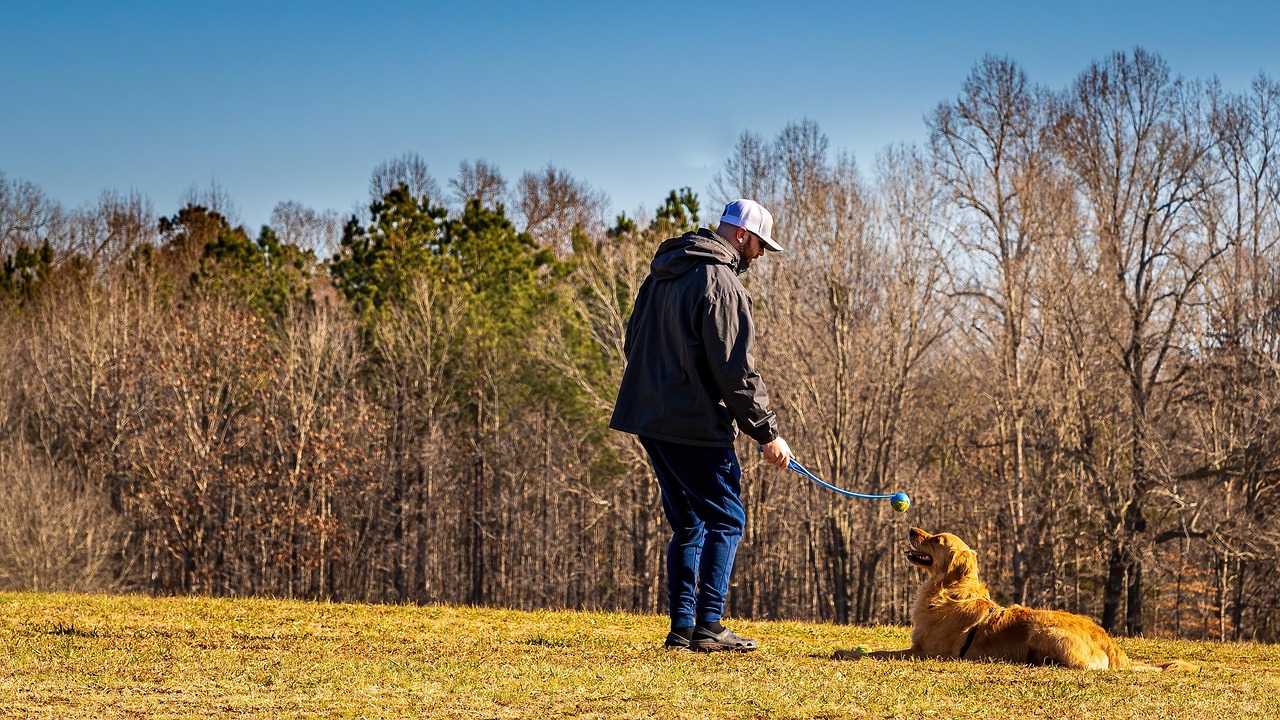

Advanced Fetch Techniques for Experienced Dogs
Teaching the fetch command to your dog is a rewarding experience that benefits both the pet and owner. This command not only encourages physical activity but also helps enhance bonding between you and your dog. To refine this skill, begin with the basics, ensuring that your dog understands the significance of retrieving an object. Use a favorite toy or ball, as this will increase your dog’s motivation to chase after it. Start by tossing the toy just a short distance away to build their confidence. Ensure that your dog returns the item directly to you, rewarding them with praise or treats. As they start grasping the command, gradually increase the distance to challenge their abilities. Remember that every dog learns at their own pace, so patience is key during this training phase. Also, make sure to maintain a positive attitude, as dogs naturally pick up on their owner’s emotions. You should integrate fun into the training sessions rather than taking a serious approach. Consistency and positive reinforcement will lead to better results overall. Eventually, your dog will become a fetching champion, impressing everyone with their skills in the park!
Once your dog masters basic fetch techniques, you can introduce advanced commands and variations to keep the training exciting. Adding cues such as “drop it,” or “bring it back” can enhance your dog’s understanding of the exercise. Try utilizing different objects for fetch as your dog becomes more comfortable. Consider using frisbees, sticks, or even unique toys to create new challenges. Use these items interchangeably to keep your dog alert and engaged during sessions. You can also practice fetch in varied locations such as parks, beaches, or backyards to expose your dog to different environments. This also helps in teaching your dog to focus and obey commands regardless of distractions. Additionally, implement a routine that incorporates other commands along with fetch, such as sit or stay, to develop discipline. During fetch training, practice patience and maintain enthusiasm while guiding them through these commands. Providing proper motivational tools such as toys or treats can significantly aid these sessions. Another great idea that might help is to incorporate playtime between fetch rounds, which fosters the dog’s interest and keeps the training dynamic. Consistent practice promotes both physical fitness and mental stimulation for your dog.
Incorporating Variety
One method to keep your dog’s fetch routine stimulating is to incorporate variety in the practiced commands. Transitioning between fetch and other activities can foster better focus and trust with your dog. Combine fetch with agility drills, ensuring the dog navigates around obstacles while retrieving an item. Start with cones arranged in a simple pattern, directing your dog to perform different tasks before fetching the item. Such alterations will not only break the monotony but can enhance your dog’s cognitive abilities and physical agility. Another innovative approach involves introducing scent work into fetch sessions. This not only makes the command more engaging but allows dogs to utilize their natural instincts. Hide the fetch toy in a designated area, directing your dog to find it while simultaneously practicing the fetch command. This will stimulate their sense of smell and promote teamwork. Also, consider engaging with friends or fellow dog owners for group fetch games, introducing a social aspect. By constantly changing the environment or the fetching item, you hold your dog’s interest and enthusiasm for the task. Keep observations close, gauging how well your dog adjusts to these diverse practices.
To elevate your dog’s fetch experience, it’s beneficial to set goals and celebrate achievements. Start by creating a list of objectives for your dog, whether mastering specific commands or enhancing their speed while fetching. Tracking progress not only allows you to measure improvements but also gives you opportunities for rewarding your dog’s accomplishments. Every time your dog meets a goal, make sure to acknowledge their success with praise, treats, or an extra play session. This encouragement fosters a positive training atmosphere and motivates your dog. Also, ensure to adjust goals according to your dog’s abilities and learning pace. This ensures that the challenges remain enjoyable rather than overwhelming. As you set milestones, it’s crucial to maintain a bond built on trust and understanding. Communication plays a vital role in effective training, so always be clear and concise with commands. Moreover, rotating training routines keeps your dog interested, maintaining their focus throughout. Periodically revisiting previous skills reinforces learning and can be a fun way to evaluate their growth and bond. Celebrating small victories cultivates a strong and playful fetching journey, resulting in a well-trained dog.
Advanced Techniques for Specific Breeds
Different breeds may gravitate toward varied fetch techniques or pace. For instance, retrievers naturally excel in fetch activities due to their keen instincts. These breed types can greatly benefit from tasks that highlight their natural capabilities, such as long-distance fetching or even water retrieves. Incorporating swim sessions into fetch training can spectacularly engage these breeds; throwing toys into a pool streamlines command practice with added fun. Border collies, known for their intelligence, may require varying methods to keep their interest. Incorporate agility training as an exhilarating combination; presenting challenges boosts their stimulation while still retrieving an item. Whatever the breed type, understanding their instincts is essential in developing fetch techniques that cater to their strong points. Observe your dog’s movements and reactions, adjusting your fetch approach accordingly. Remember that canine personalities or temperaments can affect how effectively they learn commands. For shy or anxious dogs, start with lower-pressure environments, gradually introducing distractions as they adjust. Individualized approaches in returning items and motivation foster growth in understanding commands and developing fetching habits as they enjoy learning through training.
Your dog’s safety and well-being should be a priority as you engage in advanced fetch techniques. Ensure that the environment where you practice is secure and devoid of hazards that can injure your dog. Checking the area for any potential dangers such as sharp objects or steep terrains is essential before each session begins. Hydration is also paramount, especially during outdoor fetch training. Take breaks, allowing your dog to drink water as needed, preventing overheating during hot temperatures. Another important aspect involves inspecting the fetch toy’s material. Ensure that toys are safe for chewing and designed to withstand extended use. Regularly examine items used for wear and tear, replacing any damaged toys to prevent potential choking hazards. Additionally, train in suitable weather conditions; avoid excessively humid or cold days. Pay attention to your dog’s energy levels and behavior during sessions. If they display signs of fatigue, consider concluding the session and prioritize moderate training sessions instead. Ultimately, a focus on safety will ensure enjoyable fetch experiences, resulting in a fulfilled and healthy canine companion over time.
The Joys of Fetch Beyond Training
Engaging in fetch with your dog extends beyond just training; it fosters a deeper level of companionship and joy. Each session helps build trust between you and your dog, solidifying your bond. By incorporating fetch into your daily routine, you create cherished memories while ensuring consistent exercise for them. Dogs relishing the thrill of the chase exhibit enthusiasm that is contagious, filling the atmosphere with delight and excitement. Not only does fetch provide physical benefits, but it also satisfies dogs’ natural instincts to retrieve. Observing your dog’s happiness during fetch sessions serves as a rewarding experience for any owner. Participating in this playful interaction nurtures not only your dog’s physical health but also enhances their mental wellbeing. Create opportunities for family members to join fetch activities, strengthening the social dynamics of the household. The simple act of retrieving can inspire new friendships with both dogs and fellow dog owners alike. Furthermore, consider branching out into canine sports as your dog becomes more proficient with fetch. Collectively, practicing and playing fetch develops skills that lead to a fulfilling lifestyle for both you and your beloved pet.
To sum up, advanced fetch techniques for experienced dogs encompass much more than merely retrieving objects. They emphasize constructive engagement that bolsters mental and physical health while nurturing the bond between you and your dog. Integrating variety into fetch practices, along with establishing achievable goals, promotes long-lasting learnings. Understanding specific breed characteristics and adjusting your approach will yield better results. Lastly, always prioritize your dog’s safety and well-being while ensuring your training sessions remain fun and rewarding. By embracing the joys of fetch, you cultivate not only leadership but also companionship, fostering an enjoyable dynamic. Embrace the journey of training and utilize these advanced techniques to keep your dog engaged and happy. With time, patience, and dedication, you will witness a significant transformation in your dog’s fetching ability and overall behavior, creating a fulfilling environment where both you and your dog thrive for years to come.