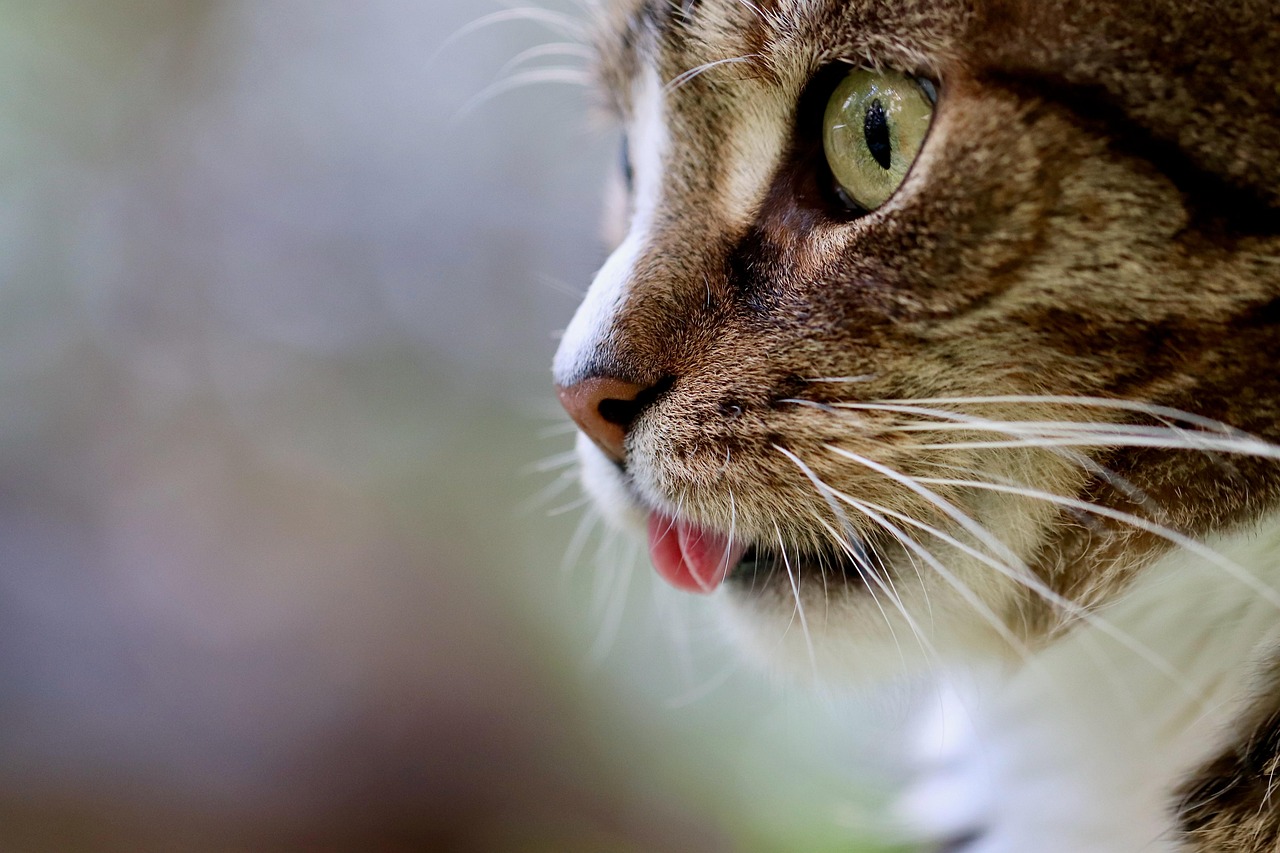

Effective Training Techniques to Reduce Resource Guarding in Cats
Resource guarding in cats can be a concerning behavior. Cats often exhibit this behavior when they feel threatened regarding their possessions, such as food, toys, or even their humans. Recognizing the signs of resource guarding is crucial. Typically, you’ll notice your cat hissing, swatting, or having tense body language when another pet approaches. Rather than punishing your cat, employ positive reinforcement techniques to help them adjust. Reinforcing calm behavior can lessen their anxiety. Gradually introducing new pets or people can also be effective. Managing their resources, such as separating food bowls, can help them feel more secure. Moreover, always ensure they have safe spaces where they can retreat when feeling stressed. Using interactive toys can also divert their focus and increase comfort during these interactions. Remember, it’s essential to be patient and consistent during this training process for effective results. Each cat is unique and may require different adjustments over time to help manage their feelings of insecurity.
Positive reinforcement involves rewarding desired behaviors rather than punishing undesirable ones. Begin by identifying situations that trigger their resource guarding behavior. Gradually expose your cat to those situations at a comfortable distance. For example, if your cat guards food, practice feeding them while another pet is nearby but separate. When your cat remains calm, provide treats or praise. Over time, decrease the distance between the two pets during feeding. Ensure that each positive interaction encourages more relaxed behavior. This gradual exposure allows your cat to adjust without feeling threatened. Consistent training sessions are vital for building their confidence. Additionally, consider using toys that require sharing, like puzzle feeders or interactive toys, to encourage cooperation. Always supervise these interactions to ensure that neither cat is feeling overwhelmed or stressed. Keeping sessions short and fun can be more effective than longer, drawn-out sessions that may lead to fatigue or frustration. Always incorporate plenty of breaks to allow your cat time to reflect positively and reinforce good behavior during their training.
Creating a Safe Environment
Establishing a safe environment plays an essential role in reducing resource guarding behaviors. Cats need a secure space where they can feel relaxed and unthreatened. One effective method is to provide each cat with their own feeding area. This can be particularly beneficial if you have multiple cats. Design each space with cozy beds, toys, and hiding spots to promote comfort. Observing your cat in its environment can help identify any stressors that might lead to resource guarding. Reducing stress triggers by modifying the environment can encourage better behaviors. When cats feel secure in their territory, they’re less likely to guard resources aggressively. Regularly checking that your cat’s litter box, food dish, and water is clean and refilled also supports their well-being. Keeping their environment structured and predictable assists in minimizing anxiety. On occasion, introducing diffusers with calming pheromones can also help pacify any tensions in the household. These pheromones can create a sense of safety for cats, potentially reducing their inclination to feel threatened.
Consistency is crucial when training your cat to overcome resource guarding behaviors. Establishing a routine helps reduce uncertainty, allowing your cat to feel secure in its environment. Regular feeding times and predictable play sessions can establish patterns that your cat comes to rely on. Additionally, ensure that all family members are on the same page regarding training methods. If your cat sees different reactions from different people, it may confuse them, leading to setbacks in progress. Reinforce positive behaviors collectively as a family. This could mean gently reminding one another not to interrupt the cat during feeding or ensuring that toys are shared appropriately. Providing each cat with individual affection and attention is also vital. This way, they don’t feel the need to compete for your affection, reducing their need to guard resources. Regularly assess how each cat responds to the established patterns, and make any necessary adjustments for individual needs and preferences. Reflecting upon these approaches will foster patience and predictability, both essential elements in achieving successful outcomes with resource guarding.
Utilizing Professional Help
In cases where resource guarding behaviors worsen, seeking professional help from a feline behaviorist can be beneficial. Experts possess advanced training and knowledge regarding specific methods that can address your cat’s strong instincts. They can provide tailored programs that consider your cat’s behaviors, environments, and unique personality traits. Moreover, behaviorists can observe your household dynamics and suggest necessary changes to improve your cat’s feelings of security. They may employ techniques like counter-conditioning, which involves changing your cat’s emotional response to a particular situation in a controlled manner. During these sessions, a certified expert usually guides you and your pet through successful gradual exposures or desensitization exercises. By creating a comprehensive plan with an expert, you provide your feline friend with a consistent approach that lets them learn effectively. Investing in professional guidance can ultimately lead to a more harmonious household where your cat feels assured and issues of resource guarding are addressed appropriately.
Maintaining mental and physical stimulation is key to alleviating resource guarding in cats. Boredom or lack of exercise can exacerbate these behaviors, leading to increased anxiety and stress. Engaging your cat with daily playtimes that include interactive toys or puzzle games can foster mental challenges and help them expend energy. Rotate toys regularly to keep their interest peaked. You can also consider training sessions that teach new tricks or behaviors. Brief sessions throughout the day can prevent your cat from feeling territorial over their space, as engaging activities can shift focus away from guarding. Exploring ways to implement new activities tailored to your feline friend’s preferences fosters strong bonds while reducing stress factors. Additionally, simple changes, such as providing a variety of perches for climbing in your home, can create an enriched space where cats can explore and play. This environment greatly reduces competition between pets and fosters community within shared spaces. The more fulfilled your cat feels, the less likely they are to guard resources out of insecurity or anxiety.
Recognizing Progress and Adapting Techniques
As you work towards reducing resource guarding behavior, it’s essential to recognize the improvements. Progress may not come overnight, so be patient and continue monitoring changes in your cat’s behavior. Celebrate even minor victories, whether it’s allowing another pet to near their food bowl or sharing a toy without fuss. Adjust training techniques regularly to keep your approach engaging and motivating for your cat. If you notice particular strategies yielding positive results, focus on those while potentially sidelining others that may not be as effective. Regularly evaluate your training routine and be prepared to adapt as necessary. Building trust with your cat will take time, but by fostering a supportive atmosphere and ensuring their comfort, you can create lasting change. Note that occasional setbacks may happen, which is just part of the process. Take these moments as learning opportunities. Reacting calmly and using previously learned methods will reinforce the positive dynamics developing between you and your cat, helping cultivate long-lasting improvements.
Ultimately, tackling resource guarding behaviors in cats requires a comprehensive approach that combines patience, understanding, and consistent training methods. Being proactive in identifying triggers and successfully modifying your home environment plays a pivotal role. Remember that every cat is unique with individual needs and responses to training, so tailor methods accordingly. Your commitment echoes significantly in their learning journey, leading to a better relationship for both you and your feline friend. With each positive reinforcement, you nurture trust and communication between you and your cat, laying the foundation for continued improvement. Furthermore, fostering safe interaction environments and providing mental stimulation will encourage healthier behaviors while proving beneficial in long-term management. Remain aware and flexible in adapting your training techniques as needed, celebrating every achievement, regardless of size. Consult professionals when necessary to guide you through challenging periods, and always prioritize your cat’s emotional and psychological well-being. By implementing these strategies, you foster an environment where your cat feels secure, relaxed, and understood, ultimately making resource guarding behaviors a thing of the past.