Capturing Candid Moments: Tips for Indoor Dog Photography
Indoor dog photography can be an exciting pursuit, allowing pet owners to capture their furry friends in a comfortable environment. One of the first tips is to utilize natural light, often found near windows, which minimizes harsh shadows and enhances your dog’s features beautifully. Try timing your sessions during the golden hour—just after sunrise or before sunset—for that soft, flattering illumination. Another quick win is to keep your camera at or below your dog’s eye level. This approach creates a more engaging perspective, turning ordinary shots into memorable portraits. To further improve framing, always consider the background as you position your dog. Remove any distracting objects that could take focus away. Additionally, incorporating a few favorite toys can help grab their attention, making for authentic candid moments. Use treats to entice your dog into specific poses or angles. Be patient and ready to click as they play and move around. Lastly, be sure to use continuous shooting mode, allowing you to capture action-packed sequences that showcase your dog’s personality and energy in every frame.
Having the right equipment for indoor dog photography can enhance your experience significantly. While professional cameras are great, smartphone cameras can also yield fantastic results. Consider using a camera with a fast lens (with a low f-stop) to allow more light into the frame. This setup prevents motion blur, especially when your pet is active. You might also want to use a tripod, especially in lower light situations. A tripod stabilizes your shots, making it easier to compose images correctly. Moreover, don’t underestimate the power of props. Simple items like blankets, baskets, and colorful toys can add character to your photos. When utilizing props, ensure they’re safe and comfortable for your dog. Experimenting with angles can also produce stunning results. Shoot from various perspectives and heights, especially from a dog’s eye view—this often results in compelling images. Additionally, if you want that professional touch, consider external flashes or reflectors to bounce light effectively. They can fill shadows and highlight your pooch’s cute features. To get those eyes sparkling, try capturing your dog in action to evoke emotion and excitement.
Creating a Cozy Environment
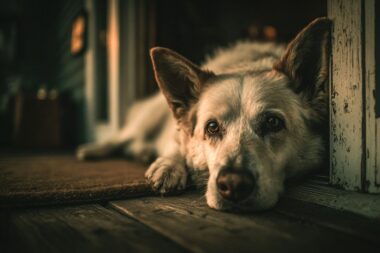
Creating a cozy environment for indoor dog photography plays a crucial role in successful shoots. Dogs are often more relaxed when they feel at home, which leads to more candid photos. Choose a favorite room in your home, a familiar space that your dog is used to. Rearranging minor elements to create a clear, unobtrusive background can prevent distractions in your shots. Use soft, inviting blankets or pillows for added comfort and texture in the frame. If possible, include family members in a few images, as dogs often respond well to familiar faces. Their enthusiasm can create emotional depth in your photographs. Additionally, try to keep the environment as quiet as possible. Minimizing loud noises can help your dog to focus, making them less likely to wander off the frame. Another useful tip is to keep the area well-lit but avoid direct sunlight as it can create harsh shadows and highlights. Instead, aim for soft, diffused lighting. This gentle illumination enhances your dog’s features beautifully while maintaining an inviting atmosphere well-suited for indoor photography.
Incorporating various techniques can elevate your indoor dog photography, making each session unique and engaging. Utilizing toys and treats can not only serve as distractions but also spark genuine expressions. Try to snap pictures while they are engaged, as this often allows you to capture spontaneous behaviors. Techniques like “panning” can be particularly effective for photographing an active dog. As they move, you can follow them with the camera while using a slower shutter speed. This creates an exciting blurred background, emphasizing the dog’s motion. In contrast, for more static shots, consider the “rule of thirds” for better composition. Imagine a grid over your shot and place your dog’s face along the intersections for visually appealing results. Another fantastic way to create depth in your images is by using leading lines, which naturally guide the viewer’s eye to your subject. Having trees, paths, or furniture in the scene can enhance this effect significantly. Finally, during post-processing, try some light editing to adjust the brightness and contrast, bringing your dog’s personality out even more.
Patience and Timing are Key
Patience and timing are fundamental during indoor dog photography sessions. Dogs don’t always comply with our expectations, and that’s where having patience pays off. It’s essential to wait for those heartwarming candid moments—the way they tilt their heads or shake off water. A pre-planned routine can help you understand their personality, making it easier to anticipate actions. This anticipation allows you to have your camera ready to capture unique moments as they unfold. Practicing various techniques such as getting your dog’s attention can add spontaneity to the photos. Create fun games where your dog can react positively, jumping for a toy or interacting with family members. Those fleeting moments captured in action can be some of the most cherished. Think also about varying the duration of your photography sessions. Short, frequent sessions will likely keep your dog engaged. After all, long sessions can bore them. If they seem restless, take a break! A short walk or some playtime can rejuvenate their energy. Then return to capture those ultimately candid moments, turning casual snapshots into cherished memories.
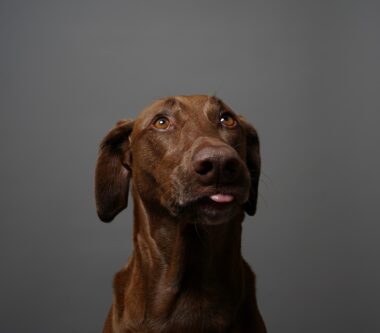
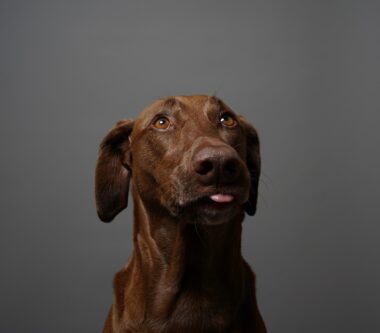
Each dog is unique, capturing their individual personality in indoor settings can present both challenges and delights. To achieve this, getting acquainted with your dog’s quirks and behaviors is essential. Knowing when your dog is more playful or relaxed allows you to time your photography sessions more effectively. Some dogs may be naturally inquisitive and eager to explore, while others prefer to curl up and observe. Tailor your approach to fit these personalities. Using their favorite toys or treats will encourage certain behaviors that showcase their unique nature. It can be helpful to keep a notebook or a digital document of behaviors or patterns as they evolve. Over time, you’ll develop a deeper understanding of your dog’s character, leading to more personalized and engaging photographs. During the shooting process, always try to capture your dog’s emotional expressions. Aim to focus on their eyes, as they often reveal a lot about how they feel. Candid laughter or thoughtful moments can create endearing memories while sharing a piece of your dog’s personality with the viewer, resulting in stunning indoor pet portraits.
Editing for Impact
Editing your indoor dog photographs can dramatically enhance their overall appeal. Post-processing allows you to refine images, ensuring that they emerge brightly, vibrantly, and authentically. When editing photos, consider using user-friendly software like Adobe Lightroom or mobile apps like Snapseed. These tools have various presets and filters to adjust lighting and color balance effectively. Start with basic adjustments, enhancing brightness and contrast to make your dog’s features pop. Clarity and vibrance sliders are also valuable, helping to sharpen details without overwhelming the image. Additionally, cropping images and adjusting the composition can help bring your subject into focus. Remove any distractions that were not visible in the original frame. As an advanced technique, consider using selective editing. This method allows you to make specific adjustments to certain parts of the image, like enhancing the visibility of your dog’s eyes. Lastly, don’t forget to keep the image’s natural look while editing. Blowing out highlights or over-saturating colors could lead to an unrealistic portrayal of your furry partner. This process ensures you share true personality through stunning photographs, creating lasting memories that capture their essence.
Embarking on the indoor dog photography journey can be incredibly fulfilling, creating opportunities to establish lasting memories. By implementing these tips, from engaging with your dog naturally to utilizing light effectively, your photography will celebrate your dog’s unique charm beautifully. Whether you’re a seasoned photographer or just a pet owner wanting to capture beautiful snapshots, every experience can yield a collection of heartwarming images. Remember to be patient, understanding, and playful during the process. Each photo allows you to communicate a piece of their personality. Sharing these images on social media or creating a photo album can lead to wonderful ways to bond with fellow pet enthusiasts, showcasing your dog’s spirited character. The joy captured in these moments transcends standard photography, as it embodies meaningful relationships. Be prepared for the unexpected, as they always bring a delightful twist to every shot. Embrace the spontaneous challenges indoor settings offer, nurturing your creativity as you capture your dog’s spirit. Trust that each photography session is an opportunity to create beautiful memories, forging connections between your lens and your furry companion, turning adorable moments into captivating photographs.