
The Connection Between Cat Sleeping Positions and Health
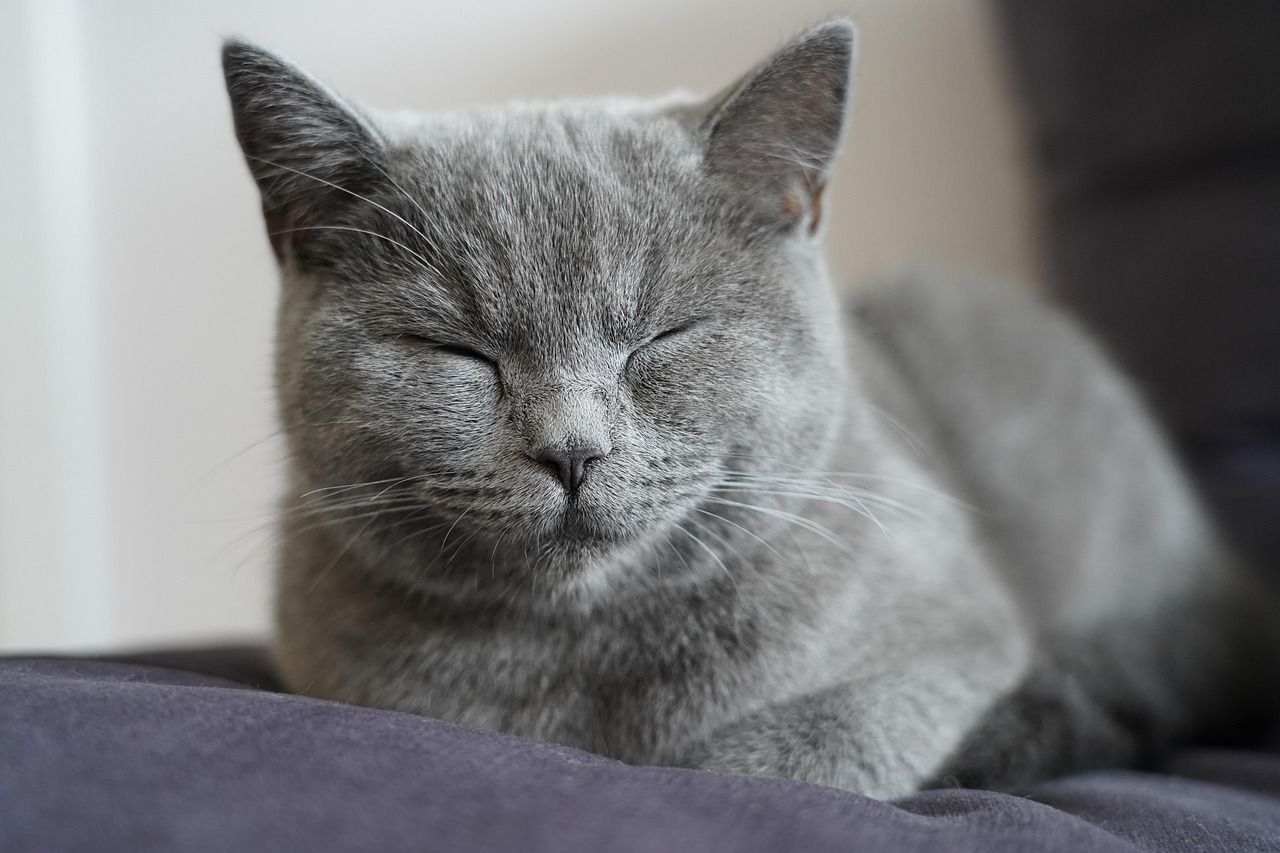
Understanding a cat’s sleeping position can reveal much about its overall health and emotional state. Cats sleep between 13 to 16 hours daily, making sleep an essential part of their lives. Cats exhibit various sleeping positions that reflect their comfort, security, and health status. For instance, when a cat sleeps on its back, it indicates a high level of trust in its environment. This position also maximizes warmth, showcasing one of the cat’s innate behaviors. On the other hand, a curled-up position often signifies a cat feeling cold or anxious, indicating a need for security. Recognizing these positions can help cat owners identify potential issues. It is crucial to observe your cat’s preferred sleeping positions and patterns over time to gauge any changes. Patterns that significantly deviate could indicate health problems. Regular vet check-ups can complement your observations, ensuring your cat receives necessary medical attention. This connection between sleeping positions and health emphasizes our cats’ unique behaviors and the importance of understanding them for their well-being. Identifying these sleeping habits can foster a healthier environment for your feline companions, ensuring they are happy and secure in their homes.
Cats’ sleeping habits are often influenced by several factors, including age, breed, and overall health. Younger cats tend to sleep more fragmented throughout the day, often exhibiting playful behavior in between. In contrast, older cats may develop more considerable preference for specific sleeping spots due to joint pain or other age-related issues. Additionally, the breed often plays a role in these preferences. For example, some breeds like Persians are known to favor more confined spaces, while others, such as Siamese cats, may choose open areas to keep an eye on their surroundings. The environment can significantly influence where and how cats sleep. A calm and secure environment promotes comfortable sleep, while noise and disturbances might cause anxiety, affecting their sleeping patterns. Body language during sleep also provides insights. A relaxed cat with paws sprawled out likely feels safe, while a cat sleeping with its tail wrapped around its body may be more alert and cautious. Understanding these behaviors not only points to health concerns but also suggests areas for improving your cat’s living conditions. Creating dedicated spaces, using soft bedding, and ensuring quiet environments can enhance their rest significantly.
Sleep and Health Correlations
There is a critical link between a cat’s sleeping habits and its physical health. Cats can be quite adept at masking discomfort, making it crucial for owners to pay close attention to changes in their sleep patterns. A sudden shift in sleeping behavior, such as excessive sleeping or an increased tendency to hide during naps, can be signs of underlying health issues. For example, if a previously outgoing cat retreats to its bed for longer periods, it may indicate pain or illness. Furthermore, if a cat sleeps restlessly, frequently changing positions or seeming unsettled, this may indicate discomfort. Identifying these signs promptly will lead to appropriate veterinary care, preventing serious health complications. Owners can support their cats’ health by managing their environment and observing their sleep habits closely. Ensuring their cat feels safe and secure can significantly influence their sleep quality. Providing a warm, comfortable bed away from disturbances, and engaging in regular play can help keep your cat both healthy and well-rested. Understanding this connection invites responsible pet ownership, highlighting the importance of observing changes in behaviors closely since early detection is key to effectively managing health concerns.
Moreover, the sleeping positions of cats serve as an excellent window into their mood and stress levels. For instance, a cat that sleeps with its legs stretched out or on its side is usually at ease and feel secure. This confident position suggests the cat is feeling healthy and content. In contrast, a cat sleeping with its body hunched or tucked in is often a sign of anxiety or discomfort. Anxiety may stem from a significant change in environment, such as a new pet arrival, or external stressors like loud noises. Recognizing these behaviors can help owners take proactive steps to create a more comforting environment for their pets. Offering safe spaces and encouraging relaxation can counteract anxiety. An active role in managing a cat’s stress is essential, especially if there are new stimuli in the home. Owners can foster resilience in their cats by monitoring these signs closely, ensuring harmony in the household. Additionally, providing interactive toys and engaging in regular playtime can help alleviate stress, thereby promoting healthier sleep patterns. The correlation between a cat’s behavior and its sleeping positions has profound implications for its overall well-being, enriching the lives of both pet and owner.
Creating the Ideal Sleep Environment
Creating an optimal sleeping environment for cats can greatly affect their health and sleeping habits. Providing soft, cozy bedding in a quiet part of the home encourages a cat to find their sanctuary. A well-placed cat bed near a window can also enable them to enjoy watching the outside world while feeling secure. Similarly, ensuring consistency in their environment helps maintain predictable sleeping patterns. Cats are creatures of habit, so establishing a routine can further enhance their well-being. Regular feeding times and play sessions lead to more consistent sleep. Moreover, controlling the temperature in their resting area plays a crucial role in their comfort. While warmth is essential, ensure that the space doesn’t become overly hot, as hotter environments can affect their health negatively. This is particularly vital in summer months when heat can make even the most relaxed cats uncomfortable. Regular cleaning of their sleeping spaces is equally important. A clean and fresh environment contributes significantly to both health and comfort. Owners should regularly wash bedding and vacuum sleeping areas to reduce allergens and irritants, ensuring their cats can rest peacefully without unnecessary disturbances or discomfort, promoting better overall health.
Behavior changes can significantly impact a cat’s sleeping patterns and should signal owners to look deeper into their health. For instance, an increase in sleeping time can suggest health issues like anemia or hyperthyroidism. It’s crucial to differentiate between ordinary aging signs and potential health issues. Thus, only a veterinarian can diagnose underlying conditions effectively. Similarly, decreased sleep due to anxiety or somatic conditions should also be monitored. Recognizing these changes early can aid in diagnosing health problems before they become serious. Aside from noticing sleeping patterns, owners should also observe changes in grooming habits, eating patterns, or litter box behaviors. Any significant deviations might indicate distress or health concerns. Fostering open communication with your veterinarian can provide essential insights and treatment necessary for improving your cat’s overall health. Creating a diary to track these changes can help identify patterns and guide conversations with your vet. Continuous education about feline health, behavior, and proper care can further empower owners to make informed decisions and foster a healthier, happier environment for their beloved companions, ensuring they live long and fulfilling lives.
Conclusion: Observing Patterns for Better Health
In conclusion, understanding a cat’s sleeping positions and patterns is paramount in promoting overall health. Ensuring that a cat has a comfortable and secure sleeping environment can help maintain good sleeping habits and prevent health issues. Observing the various positions adopted by cats during rest can provide essential insights into their emotional and physical well-being. Being proactive in monitoring these behaviors allows for better detection of potential health issues, paving the way for timely veterinary intervention. Owners should create a nurturing shelter to enhance their pet’s comfort and inspire restful sleep. As we increase our understanding of feline behavior, we also cultivate a deeper bond with our cats. Cats, by nature, manifest their feelings and conditions through behaviors, with sleep patterns giving essential clues to their health. In a world filled with busy lives, taking the time to observe and understand our feline friends’ sleeping preferences can dramatically enhance their quality of life while nurturing a more substantial bond between pet and owner. Therefore, commitment to understanding these behaviors is key to ensuring a healthier and happier life for our cherished companions, allowing them to thrive in their environments, promoting longevity in their health and happiness.
Cats are fascinating creatures, and their sleeping habits provide invaluable insight into their well-being. Observing the sleeping patterns can reveal when something is amiss, potentially uncovering health issues early. The balance between sleep and play is crucial to their wellness, ensuring they remain active and dependable companions. When we recognize our cats’ behaviors, we lay the groundwork for a caring and healthy environment. The more we understand them, the more we can care for them effectively, promoting longer, healthier lives. Ultimately, being in tune with a cat’s needs leads to a harmonious relationship that nurtures understanding, trust, and love.