
From Amateur to Pro: Developing Your Skills in Dog Show Photography
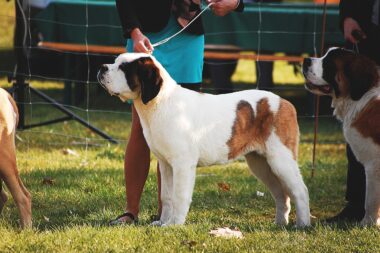
Dog show photography is a specialized field that captures the elegance, beauty, and personality of our canine companions in competitive settings. Many aspiring photographers initially start with mobile phones or entry-level cameras. The journey from amateur to professional in dog show photography requires dedication, practice, and understanding how to showcase different breeds uniquely. One must focus on several key elements:Lighting, composition, timing, and knowledge of dog behaviors. Each breed has its own presenting style, and being familiar with these traits allows photographers to capture stunning images. Researching workshops or online courses can enhance skill sets and connect aspiring photographers with established professionals in the field. Moreover, visiting local dog shows provides valuable experience. Observing expert photographers gives insights into techniques and equipment used in real-time. Developing an eye for detail will help aspiring photographers stand out. Capturing the perfect shot often involves patience, as dogs may not always pose as intended. When participating in these events, it’s important to network with other photographers. Collaboration can lead to mutual inspiration and knowledge sharing.
Networking with established photographers at dog shows can open doors to new opportunities. Building relationships within the dog show community increases credibility and can allow access to valuable resources. Social media platforms are fantastic for showcasing photo portfolios and getting feedback. Aspiring photographers should create an engaging online persona by sharing images, stories from shows, and personal experiences in the field. Maintaining an active blog or website can further enhance one’s presence in the dog photography niche. Collaborating with dog trainers may also provide unique angles for photographs, as the trainer’s relationship with a dog often reveals authentic emotions and behaviors. Additionally, focusing on candid shots creates a dynamic portfolio. The best moments in dog shows often unfold unexpectedly, proving that spontaneity is key. Following specific dog show events, such as breed specialties or titles, can keep aspiring photographers well-informed about trends in the canine photography space. Joining dog photography clubs or associations often leads to further learning opportunities. Many clubs offer critiques, mentorship, and competitions specifically for dog show photography, allowing participants to learn and grow alongside knowledgeable peers.
Understanding Equipment and Techniques
Investing in the right camera and lenses is essential for capturing sharp, crisp images at dog shows. A digital single-lens reflex (DSLR) or mirrorless camera with a fast lens can significantly enhance image quality. Prime lenses, particularly those with wide apertures, can create stunning portraits with beautifully blurred backgrounds. Additionally, learning how to adjust manual settings for exposure, ISO, and shutter speed is critical in varying light conditions. Many dog shows take place indoors or in shady areas, and a solid grasp of camera settings can prevent disappointing photos. Experimenting with different angles and perspectives can add creativity to the photography. Rather than always shooting at eye level, try kneeling or laying down to capture images that showcase the dog’s stature and personality more vividly. Utilizing burst mode can help capture movement when dogs are in action, presenting enthusiasts with more opportunities to snag that once-in-a-lifetime shot. Post-processing skills are crucial too. Editing photos through software like Adobe Lightroom or Photoshop can elevate images, allowing for corrections to color, brightness, and composition to produce breathtaking final results.
In addition to technical skills and equipment, understanding dog behavior is fundamental for effective photography. Observing dogs’ body language can enhance your ability to anticipate moods and actions. Familiarizing oneself with breed-specific quirks will enable photographers to capture essence and identity authentically. Interacting with the dogs before and during the shows helps establish a comfortable environment, making it easier for the dogs to be photographed. Taking candid shots while dogs await their turn can often yield the most genuine expressions. Additionally, photographers should learn how to navigate the show environment. Knowing the schedule and layout of the venue will enable capturing the right moments at the right time. Timing the shots for judge evaluations or interactive moments between handlers and dogs often leads to unforgettable images that resonate with viewers. Always be respectful of the competitors and ensure that you’re in favorable positions that don’t interfere with the show’s flow. Maintainers of equipment should have extra batteries and memory cards on hand, ensuring an uninterrupted experience, allowing full attention to capturing the craft and elegance of the competition as it unfolds.
Building a Portfolio and Gaining Visibility
Developing a compelling and diverse portfolio is vital for any aspiring dog show photographer. Start by selecting your best work from various shows and ensure that it’s representative of your skills. A strong portfolio can include highlights of different breeds, the intricacies of handling, and the atmosphere of the event. Emphasizing high-quality images with varied compositions and emotional depth is key. Once the portfolio is in place, promoting it through social media channels allows for greater visibility. Social media platforms like Instagram and Facebook have dedicated communities for dog lovers. Engaging with local dog clubs also extends the audience reach, offering opportunities to display work in newsletters or on community websites. Participating in dog show exhibitions and events as an official photographer can spearhead growth in visibility, leading to future job prospects. Many organizations host contests that offer recognition and awards, which can significantly improve one’s professional status. Portfolio reviews by experienced photographers can provide constructive feedback. This guidance can be invaluable, helping photographers refine their style and emphasize areas that need improvement, ultimately propelling their careers further.
As aspiring photographers progress, they may wish to consider specializations within dog show photography. Specializing in particular breeds, actions, or styles can refine focus and expertise. For instance, focusing on working dogs might draw in a specific clientele looking for action shots on field trials. Alternatively, some might prefer capturing the elegance of show breeds in calm portraits. Understanding market demand can help tailor photography offerings. Many professional photographers also develop personal styles, which can enhance their brand identity. Establishing a unique vision that aligns with the personality of the photographer resonates well with clients. Creating themed projects or collaborations with pet-related businesses can reinforce this image. Also, consider joining online forums and networking platforms that focus on pet photography to further connect with like-minded individuals. Investing in marketing materials, whether business cards or brochures, ensures that potential clients remember you. Ultimately, continuing education and self-improvement are crucial. Attending workshops, webinars, and photography classes keeps skills current, ensuring the photography remains relevant and appealing in an evolving industry.
Conclusion and Next Steps in Dog Show Photography
Transitioning from amateur to professional in dog show photography is an exciting journey, filled with unique challenges and significant rewards. Learning to navigate all aspects of photography, from initial shots to advanced editing techniques, helps to cultivate a rich understanding of the craft. In addition, absorbing feedback from peers and mentors plays a pivotal role in growth and improvement. Having a cohesive portfolio that showcases one’s range and style positions photographers well for future opportunities. As industry standards continue to evolve, aspiring photographers must remain adaptable and responsive to new trends in equipment and styles. A commitment to personal development will undoubtedly lead to long-term success in this rewarding field. Engaging with the dog community, whether through dog shows or online platforms, helps build connections and keeps one’s passion alive. Remember, photography is not only about technical skill but also about storytelling through images. Focus on passion, creativity, and the joy of capturing fleeting moments in dog shows. With dedication and innovative spirit, transforming your amateur skills into professional results is entirely achievable in the captivating world of dog show photography.