
How Canine Massage Therapy Improves Your Dog’s Emotional Well-being
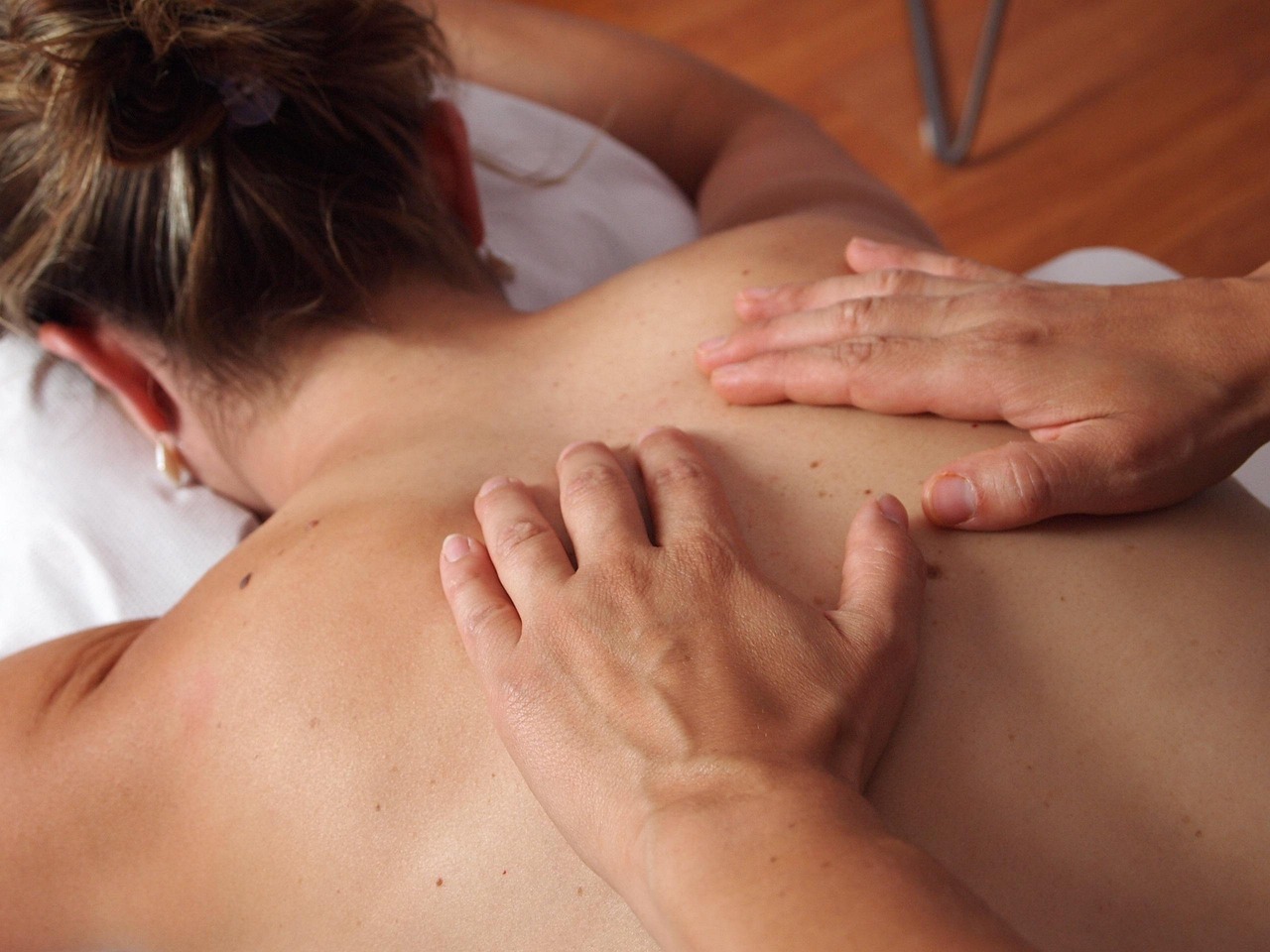
Canine massage therapy has gained popularity among dog owners seeking to enhance their pets’ emotional health. This therapy focuses on providing relaxation and comfort through specific techniques that target the body’s muscles and tissues. Just like humans, dogs benefit from physical touch, which can alleviate stress and anxiety. A trained canine massage therapist applies gentle pressure to the dog’s body, increasing blood circulation and promoting feelings of well-being. As a result, dogs may show reduced signs of restlessness and discomfort. Additionally, the soothing nature of canine massage encourages deeper bonding between dogs and their owners, contributing to overall happiness.
Massage therapy is beneficial for dogs suffering from conditions such as arthritis, anxiety, and other stress-related disorders. It works by releasing endorphins, which are hormones that help combat stress and promote relaxation. Dog owners can observe significant improvement in their dog’s demeanor following regular massage sessions, leading to more playful behavior and reduced aggression. Furthermore, incorporating massage therapy into your dog’s routine can alleviate pre-existing discomforts or even prevent future ailments. Regular massages help maintain a dog’s physical health while simultaneously nurturing their mental state, creating a balanced approach to overall care.
The Science Behind Canine Massage Therapy
Studies show that canine massage therapy can lead to a decrease in cortisol levels, the hormone primarily involved in stress response. When dogs undergo this treatment, their bodies can shift from a state of tension to one of relaxation, promoting emotional stability. Additionally, massage releases toxins from the dog’s body, resulting in improved mental clarity and calmness. This combination of physiological benefits ultimately enhances the dog’s overall mood, allowing for better interactions with their owners and environment. The positive effects often cascade, creating a more tempered, relaxed canine that is eager to engage socially.
Apart from physiological benefits, canine massage promotes behavioral improvements. Dogs that undergo regular massage often exhibit decreased fearfulness and increased responsiveness to training commands. This enhancement in behavior is crucial for fostering a positive relationship between the dog and owner. It opens the door to new learning opportunities and creates a stable environment for them to thrive. Over time, dogs become accustomed to the routine of massage therapy, recognizing it as an enjoyable experience that contributes to their happiness. This regular practice can create lasting benefits and challenges habitual negative behaviors, improving the overall dynamic.
Creating a Safe Environment for Massage
To ensure effective canine massage therapy, a safe and quiet environment is essential. Owners should find a comfortable, distraction-free zone where the energy is calm and inviting. Soft lighting and gentle background music can significantly enhance the ambiance, making it easier for the dog to relax. Introducing essential oils in moderation can also create a soothing atmosphere; however, it’s crucial to choose dog-safe options. The goal is to establish a therapeutic space where your dog feels secure and willing to undergo the massage, paving the way for enhanced emotional benefits.
Another key aspect of successful canine massage therapy is the owner’s attitude and approach. Being patient, gentle, and attentive to the dog’s responses is essential. Each dog is unique, and some may take longer to adapt to the techniques used. Recognizing the signs of discomfort or stress is vital; owners should proceed at the dog’s pace, ensuring a positive experience overall. This bonding moment allows for better communication and trust, encouraging your dog to embrace the process of relaxation and healing. Rewarding them post-massage can reinforce this enjoyable experience.
Incorporating Massage into Daily Routine
Owners should aim to incorporate massage therapy into their dog’s daily routine for maximum benefits. Setting aside specific times throughout the week ensures consistency, allowing dogs to anticipate this calming experience. Whether after long walks, or during quiet evenings at home, creating a habitual practice encourages relaxation and emotional reassurances. These small rituals serve to reassure your dog, promoting their mental resilience and emotional health. Moreover, performing massage at different times can help assess how your dog responds throughout various activities, tailoring the routine to meet their needs consistently.
In conclusion, canine massage therapy serves as a powerful tool for promoting emotional well-being in dogs. Through dedicated practice, owners can equip their furry companions with the calming effects of touch. As dog owners integrate this therapeutic approach into their pets’ lives, they witness notable transformations in behavior, emotional stability, and overall happiness. It’s essential to remember that every dog is different, and the journey towards emotional wellness may take time. However, with patience, understanding, and consistent effort, canine massage therapy can fundamentally improve your dog’s mental and emotional health.