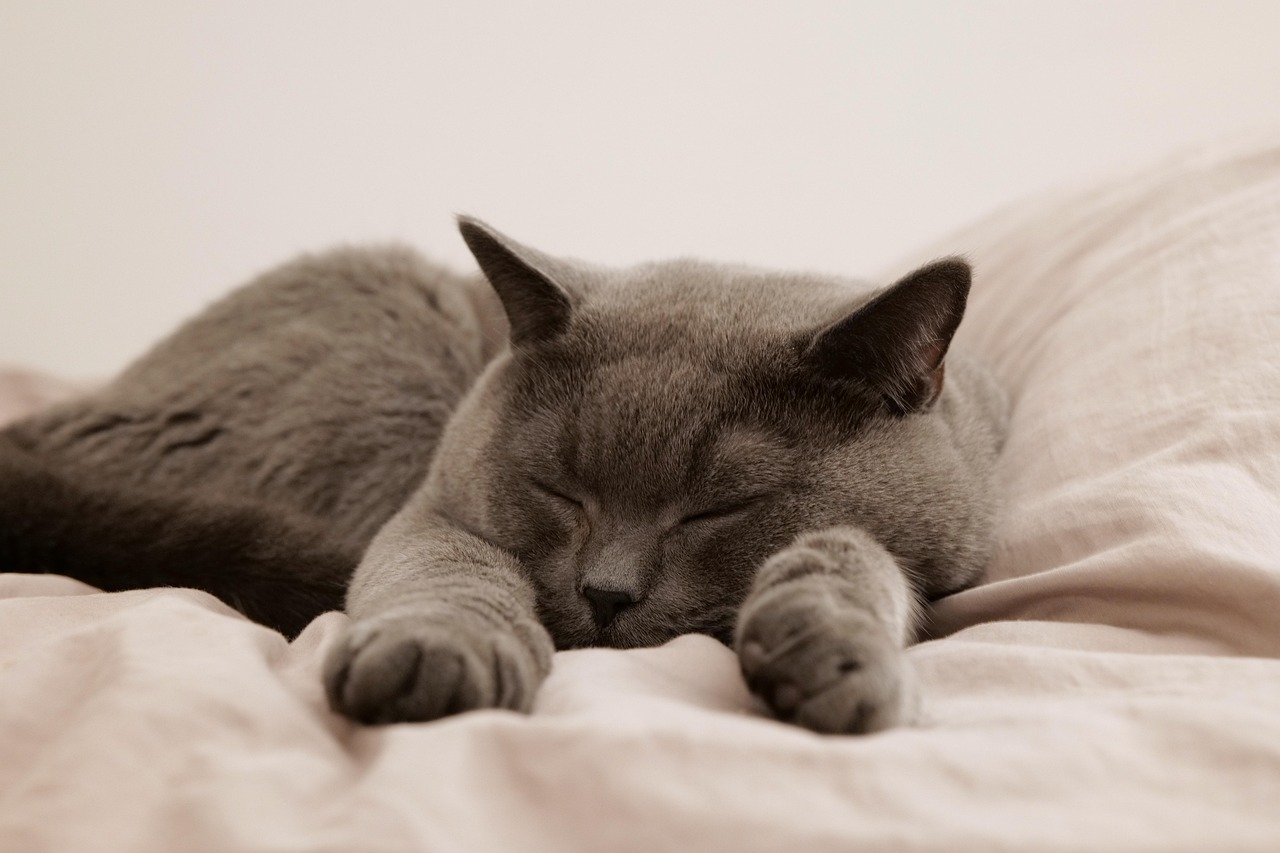

How to Detect Sleep Disorders in Cats
Understanding your cat’s sleep patterns is vital in assessing their overall health. Cats are known for their long hours of sleep, typically averaging between 12 to 16 hours daily. However, if you begin to notice unusual sleeping habits, it may be a sign of potential disorders. Lack of sleep for a cat can denote stress, anxiety, or other health issues, while excessive sleeping might indicate lethargy due to underlying medical conditions. Observing your cat’s daily routine closely can help you detect these abnormalities early on. Common behaviors to monitor include their sleep duration, frequency of naps, and the quality of their rest. If you suspect something is off, consider keeping a journal of their sleeping patterns for at least one week. This record could help you identify any changes or trends that might require professional attention. Consider also noting other factors such as their eating habits and energy levels when awake. A change in sleep patterns should always prompt a discussion with your veterinarian, as they can provide valuable insights about possible health implications.
Health problems in cats can manifest significantly through their sleep behavior. Some medical conditions, such as hyperthyroidism or kidney disease, can affect energy levels and sleep quality. Cats may also experience pain from arthritis or dental issues, causing them to change their sleeping spots or positions. A sudden desire for sleep in unusual locations might suggest an attempt to find comfort or relief. It is crucial to note the environment as it impacts how well your cat sleeps. Create a calm sleeping area free from disturbances, as stress can lead to sleeping disorders. Observe your cat’s reactions when you alter their environment, as new sounds or changes in household routine may affect their ability to rest. Additionally, age can play a significant role; older cats often have different sleep patterns compared to younger ones. Thus, understanding these age-related changes can help you determine if a visit to the veterinarian is necessary. Changes in sleep duration, frequency, and environment can signal potential disorders or health risks that warrant further examination.
Recognizing Sleep Patterns
Every cat has their unique sleeping habits based on their age, breed, and personality. Kittens, for example, tend to need more sleep to support their growth and development, while adult cats typically balance sleep with periods of activity. If you find your adult cat sleeping excessively, it may indicate a problem; however, short bursts of playful energy can also occur throughout their day. Keeping track of your cat’s energy levels during their active periods is essential. Ideally, they should exhibit bursts of play followed by an enough napping cycle to recharge. When you notice inconsistencies, such as prolonged sleep or difficulty waking up, these may signal underlying issues like sleep disorders or other health impacts. Furthermore, cats that frequently wake up suddenly or seem restless during sleep may be experiencing disturbances that need addressing. Accompanying symptoms, such as changes in appetite or grooming habits, may also emerge. Regular monitoring of your cat’s behavior can assist in capturing a comprehensive overview of their overall well-being and sleeping patterns.
If you observe your cat struggling with sleep, it is essential to evaluate their sleeping environment closely. Many factors may influence how a cat sleeps, including temperature, noise, and the location of their bed. If their sleeping nook is too hot, cold, or near a loud appliance, they may have trouble resting comfortably. Provide your cat with a cozy, quiet space that encourages deep sleep. Additionally, ensure that their bedding is clean and comfortable; a cat may avoid sleeping in a spot that aggravates their skin or creates discomfort. Proper positioning is also crucial; cats often prefer to curl up in tight spaces, mimicking their instincts for security. Look into options such as covered beds or high perches, where they feel both comfortable and safe. This aspect of their environment can impact their sleeping duration and quality significantly. If you notice a marked change in their sleep habits despite a seemingly ideal sleeping situation, then consider consulting your veterinarian to rule out any health issues. Keeping their environment conducive to quality sleep can enhance their overall wellness.
Behavioral Changes to Monitor
Behavioral changes in your cat can provide essential clues regarding their sleeping patterns and potential disorders. Often, a cat may show signs of distress or anxiety that disrupt their ability to sleep well. Changes such as increased hiding, aggression, or excessive vocalization can indicate a problem that affects their mental well-being. Furthermore, a decline in playfulness during their awake hours can also relate to inadequate rest. If your cat typically exhibits playful behavior but suddenly shows signs of lethargy or disinterest, consider factors affecting their comfort and sleep quality. Such alterations can also have interrelated impacts on their overall health. Monitor their interactions with other pets and family members; ensure they are relaxed and content. It can help to engage your cat in interactive playtime, stimulating them mentally and physically to boost their mood and sleeping quality. Make time for gentle affection, ensuring they feel safe and secure. If behavioral changes persist or worsen, it is crucial to seek advice from a qualified veterinarian for further assessment and treatment options.
To help address a potential sleep disorder in your cat, it is essential to establish a consistent daily routine. Like humans, cats thrive on routines. Providing consistent feeding times, play sessions, and gentle interactions can contribute significantly to their overall well-being. Try to keep a specific play and relaxation time, ultimately leading them to adapt more effortlessly to a sleep schedule. Encourage active play before bedtime; this helps expend excess energy, enabling better sleep afterward. Interactive toys can be excellent tools for stimulating their minds and bodies. Avoid drastic changes in their environment as the sudden introduction of new pets or loud disturbances may add stress, further impacting their sleep. Create a peaceful atmosphere during restful periods. The soft lighting and calming scents, such as lavender, can promote a serene sleeping space. Providing supplemental support, like an anxiety wrap or pheromone diffuser, may also be beneficial. Keep in mind that engaging with your vet regarding behavioral therapy or other treatments may be useful based on your cat’s specific needs and the severity of the sleep issue.
Seeking Professional Help
If home-based strategies do not lead to improvements, consulting a veterinarian is essential. Take your notes documenting your cat’s sleep habits to your appointment, providing the vet with a clear picture of the situation. They may inquire about your observations regarding patterns or behavioral changes that could further guide diagnosis and treatment. A veterinarian may suggest diagnostic tests to investigate underlying health conditions contributing to the observed sleep issues. Blood tests and physical examinations will help to determine if an underlying issue requires treatment. Depending on their findings, the vet may recommend medications, behavioral changes, or dietary adjustments tailored specifically to your cat’s needs. Remember, the importance of being proactive regarding your pet’s health cannot be overstated. Cats can be excellent at hiding discomfort, so keeping an eye on their habits and behaviors is vital. With attentive care and understanding, sleep disorders can often be managed successfully, ensuring that your feline friend enjoys a restful sleep and vibrant health in their daily life.
In conclusion, recognizing the signs of sleep disorders in cats is essential for ensuring their long-term health and happiness. Cats have unique sleeping patterns that may change due to various factors, including age, behavior, and underlying health issues. By observing your cat’s daily habits, interactions, and overall well-being, you can assess any abnormalities and gain insight into their overall health status. As a responsible pet owner, recognizing and addressing changes in sleep behaviors is paramount to ensuring your cat’s comfort, as well as mental and physical well-being. If you’re ever in doubt about your cat’s sleeping habits, consider keeping detailed records and discussing any observations with your veterinarian. Early intervention can often mitigate more severe health problems that might arise from untreated sleep disorders. Establishing a calming environment can significantly affect the quality of a cat’s sleep. Make sure to engage in regular play and provide a safe, comfortable space for them. With proper care and attention, you can help your feline friend enjoy restful nights and vibrant days, ultimately enhancing the quality of their life.