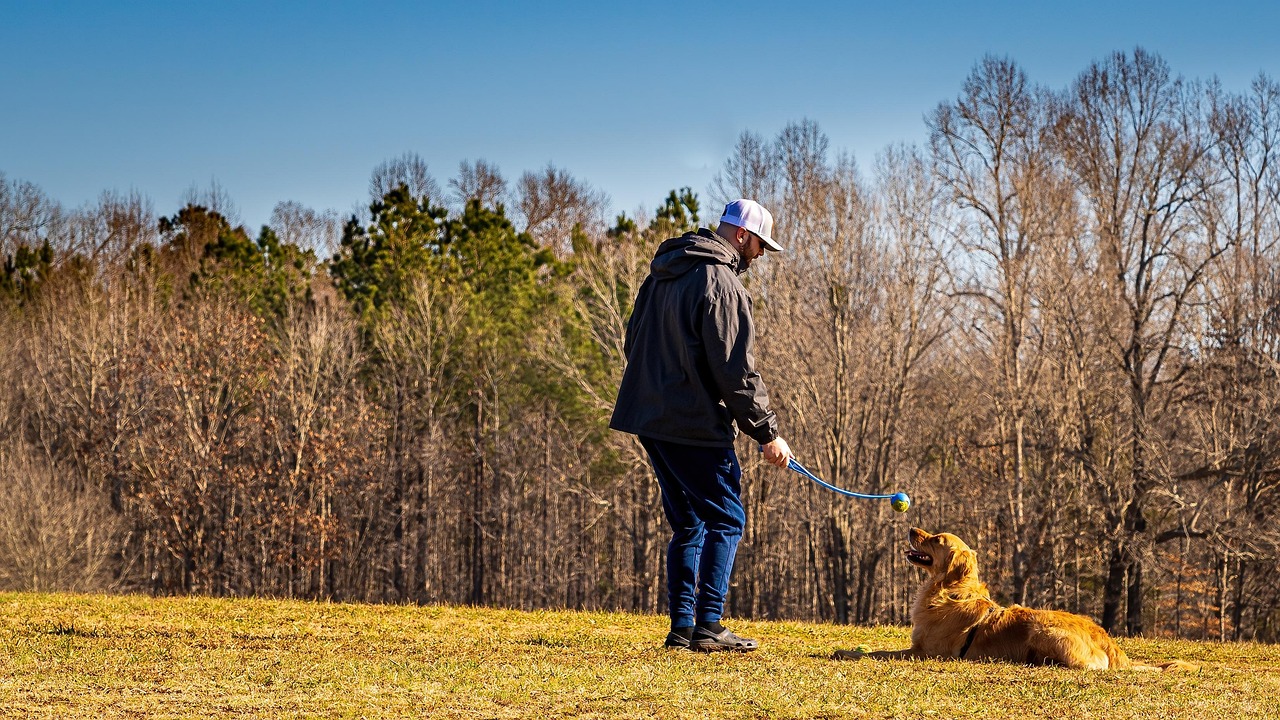

Adapting Voice Commands for Dogs of Different Breeds and Temperaments
Training a dog using voice commands is an essential aspect of responsible pet ownership. However, adapting these commands effectively involves understanding the unique traits that different breeds and temperaments possess. For instance, some dogs might be more receptive to vocal training, while others may require additional stimulation like hand signals or treats. This general difference in responsiveness should guide you in choosing how you train. Understanding the dog’s breed characteristics, such as energy level, intelligence, and natural instincts, is crucial in this aspect. Breeds such as Border Collies, known for their high intelligence, may quickly adapt to various commands. Meanwhile, more stubborn breeds, like Bulldogs, may need consistent reinforcement. As you commence training, keep the session upbeat and positive, emphasizing rewards for obedience. Make use of treats and praise to encourage your canine partner. By calibrating your voice tone, being high-pitched for excitement, and low for firmness, you establish clarity and authority. Use positive reinforcements for success in adapting these training techniques for various breeds and temperaments.
Understanding the different temperaments of your dog is equally crucial. Some dogs are naturally more dominant or submissive, affecting how they respond to voice commands. For instance, dominant breeds like Rottweilers or German Shepherds may not respond well to a soft tone and might need a firmer approach to commands. Conversely, timid breeds, such as Chihuahuas, often require a gentle reinforcement style. Training these more sensitive breeds should focus on building confidence while establishing authority. Incorporate quiet praise to encourage them, focusing on positive interactions. Effective communication also involves being aware of your dog’s body language. Signs of discomfort or reluctance can indicate that your commands may need adjustment. Use soft, calm vocal tones when communicating with timid dogs to reduce anxiety. Regardless of breed or temperament, consistency remains key to successful training. Dogs benefit significantly from routines, creating a sense of security. Therefore, make sure to use the same vocal commands consistently to minimize confusion. Establishing this consistency should augment your dog’s understanding and response rate to voice commands.
Crafting Effective Commands
Crafting effective voice commands is a pivotal step in ensuring successful dog training. Simple, one-word commands are generally most effective and should be preceded by your dog’s name to capture their attention. Commands such as ‘sit,’ ‘stay,’ and ‘come’ may appear basic, yet their simplicity promotes quicker understanding. The goal is to maximize clarity during instruction. Use variations tailored to your dog’s temperament and ability. For instance, when training a breed known for stubbornness, you may wish to invest additional time in repetition and perhaps breaking down commands into smaller steps. Utilize visual cues alongside voice commands to provide a comprehensive understanding. This multi-sensory approach can greatly enhance training effectiveness. Additionally, be patient; different breeds may take varying times to learn commands. Some dogs grasp instructions almost immediately, while others may require more effort. Recognize and adapt to these learning curves, taking necessary pauses as needed. Always celebrate small victories to motivate your dog, reinforcing the bond you share. This creates a healthier training environment that encourages success.
Incorporating positive reinforcement during training serves as an effective method across various breeds and temperaments. Dogs respond better when they receive rewards for their hard work. Rewards can come in the form of verbal praise, treats, or toys, depending on what intrigues your dog the most. A high-energy breed, such as a Labrador Retriever, may respond enthusiastically to a game of fetch as a reward. In contrast, a smaller or more timid breed might prefer a quiet moment of cuddling. Additionally, timing is vital; reinforcing the correct behavior in an immediate fashion ensures your dog connects the dots. Engage in regular training mock sessions interspersed with playtime to keep your dog excited and eager to learn. This breaks up monotony and helps in rhythm while reinforcing the bond with your canine companion. Scheduling consistent training is equally important so that it becomes part of their routine. Always note progress; consistent and frequent adjustments depending on their responses can help tailor the training further. Foster patience and enthusiasm within your sessions for further improvements.
The Role of Environment
The training environment significantly impacts how effectively one can implement voice commands. Dogs, particularly young or excitable ones, may become distracted easily. Training in a calm, quiet area devoid of heavy foot traffic or loud noises allows the dog to focus. Ensure the environment you choose is safe and familiar, aiding your dog’s comfort level. Areas such as your backyard or quiet corner of a park can serve as ideal training spots. Gradually introduce distractions once your dog consistently responds to commands. Start with minor distractions before moving on to more challenging environments, slowly building your dog’s capability to remain attentive. Choose locations wisely as some breeds are more driven by noise or movement. Working with these distractions can develop their ability to focus. Indoor training may also yield benefits, particularly during unfavorable weather conditions. Ensure that the space is void of significant distractions within the house, keeping the atmosphere joyful. Regular sessions in varied locations reinforce understanding, and breed-specific strengths help contextualize commands helping obedience soar.
Establishing a reliable communication system between you and your dog plays a pivotal role in effective training. Voice commands serve as one element of this framework, but pairing those with non-verbal cues is equally essential. Dogs are highly attuned to human body language. Combining clear voice commands with consistent gestures, such as hand signals, can significantly enhance their understanding. Utilizing visual aids along with auditory commands ensures that your training involves multiple senses. In working breeds, like Service Dogs, the integration of both types of commands becomes paramount, enhancing the bond between the trainer and dog. Furthermore, maintain a confident posture while issuing commands, ensuring that your demeanor reflects authority yet positivity. This physical command conveys a sense of security to your dog, which is vital, especially for timid breeds. Reinforce the connection established in training by having designated sessions where you focus entirely on strengthening communication. Each interaction deepens that bond while fostering obedience and trust, ultimately leading to a more cohesive teamwork experience. Prioritize this connection for long-lasting behavior adaptation in dogs.
Conclusion
In conclusion, adapting voice commands for dogs of different breeds and temperaments requires a multifaceted approach. Assessing your dog’s breed characteristics, temperament, and learning style is critical. Each element intertwines to create a tailored training outline that maximizes effectiveness and understanding. Incorporating positive reinforcement, consistent communication, and mindful observation of your dog’s responses all serve as foundational elements in voice command training. Patience is vital; each dog’s learning curve differs, and fostering a supportive environment encourages growth. Continue practicing these commands regularly while maintaining consistency in the messages you impart. Explore opportunities to train in diverse environments, gradually promoting further focus and adaptability. Attend classes or gather knowledge through resources like books and online videos to enrich your experience. Collaboration reinforces the bond between handler and dog. The cumulative effort leads to success in behavioral training, making it a rewarding experience. When done right, it creates a delightful relationship rooted in trust, communication, and understanding, ensuring a quality life shared with your canine companion.
Remember, the journey of training your dog should be as enjoyable for you as it is for them. Equipping yourself with the right knowledge and approaches will only enhance your capability to communicate effectively. Your time spent training will forge a lasting relationship, creating joyful memories alongside your dog. Engage in the process, embracing the challenge while celebrating accomplishments, no matter how small they might appear. These repeated experiences create a strong foundational practice that helps in a harmonious coexistence with your dog. Enjoy the journey, and may it lead to considerable success!