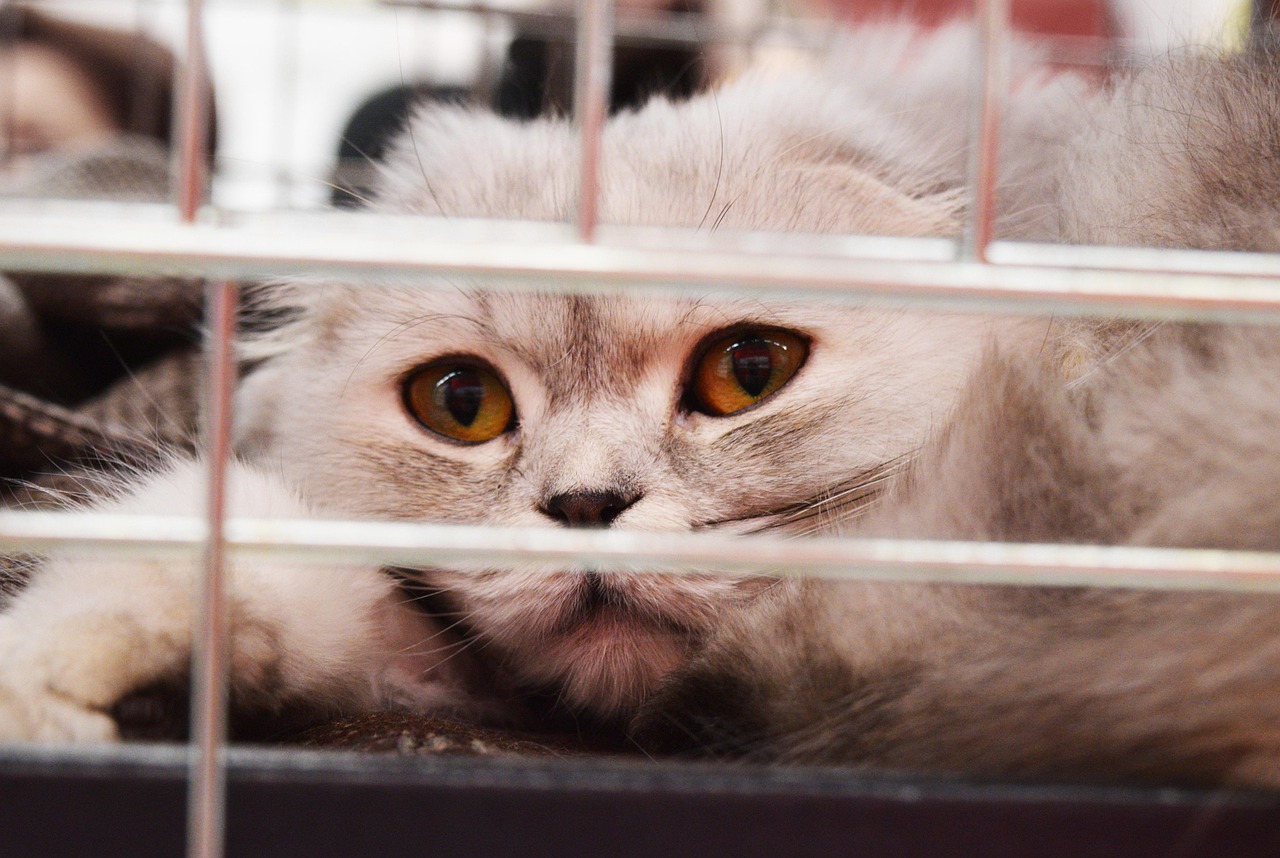

Understanding the Challenges of Cat Adoption
Volunteering in cat adoption plays a vital role in rescuing and rehoming felines. However, challenges often arise during this rewarding journey. First, volunteers face emotional strain from witnessing the plight of abandoned cats. This can lead to burnout, hindering commitment to the cause. Second, logistical issues become apparent, including transportation of cats to adoption events. Scheduling conflicts or lack of resources can impede these efforts. Third, dealing with potential adopters can be daunting. Some applicants may not fully understand what a cat needs, leading to unsuitable matches. Additionally, volunteers may require guidance in answering difficult questions regarding cat care and behavior. Another significant challenge is fundraising. Securing donations can be tough, as competition with other non-profits exists. Connecting with local businesses for support can help bridge funding gaps. Finally, volunteers face challenges in recruitment. Attracting individuals with adequate skills or a genuine passion can be an uphill task. To overcome these challenges, education, outreach programs, and strong support networks are essential. By addressing these concerns, volunteers can significantly improve their cat adoption contributions, ensuring more cats find loving homes.
Emotional Strain and Volunteer Support
The emotional strain involved in cat adoption can be overwhelming for volunteers. Witnessing the hardships of neglected and abused cats is difficult, creating mental fatigue. To combat this emotional toll, volunteers need a robust support system. Engaging in team meetings helps share experiences, fostering camaraderie among volunteers. They can vent frustrations and celebrate successes, creating a sense of belonging. Training sessions can educate volunteers about coping mechanisms essential to handle emotional challenges effectively. Online support groups can supplement this, offering virtual spaces for sharing and receiving advice. Moreover, it’s vital for volunteers to prioritize self-care. Taking a break from cat care allows for mental recharge and reflection. Simple activities such as walking, reading, or spending time with friends can significantly help. Engaging in hobbies can be a welcome distraction from the emotional demands of cat adoption work. Furthermore, organizations should encourage volunteer rotation, allowing individuals to shift focus and prevent burnout. Providing regular training on cat welfare can renew enthusiasm, reminding volunteers of their essential contributions. When adequately supported, volunteers stand better equipped to overcome the emotional challenges and perform admirably in cat adoption efforts.
Logistical Challenges and Solutions
Logistical challenges in cat adoption can be complicated for volunteers. One primary concern is transporting cats to various events, which requires time, vehicles, and careful planning. Scheduling conflicts can arise when volunteers lack availability, complicating transportation logistics. Establishing a team dedicated solely to transportation can alleviate this stress. Forming a rotating roster allows multiple volunteers to share the responsibility while keeping cats safe during transit. Additionally, ensuring a seamless pick-up and drop-off process for adopters is crucial. Communication becomes key in coordinating these logistics, ensuring everyone involved understands the plan. Furthermore, proper storage and care of supplies also pose challenges. Volunteers must maintain an organized inventory of food, litter, and medical supplies. Implementing a digital tracking system can streamline this process, allowing better management of needed items. Collaboration with local pet stores or veterinarians for discounted supplies can aid in reducing costs. Lastly, communication with local animal welfare organizations fosters partnerships that can facilitate better logistics. Sharing resources and experiences can significantly improve the operation of adoption drives. By addressing these logistical barriers, volunteers can create a smoother process for everyone involved in cat adoption.
Working with Potential Adopters
Engaging with potential adopters presents unique challenges for cat adoption volunteers. First and foremost, addressing misconceptions about cat behavior is vital. Many people believe that cats can care for themselves or don’t require attention. Volunteers need to educate potential adopters about their responsibilities, ensuring they understand feline needs. Conducting informative adoption workshops can clarify these issues, providing useful tips for new cat owners. Additionally, volunteers often face the challenge of unsuitable matches. Some adopters may not fully comprehend a cat’s temperament and specific requirements. Assessing applicants thoroughly through interviews or questionnaires is crucial to avoid future issues. It’s beneficial to ask about previous pet ownership experiences, home environments, and preferences for certain breeds. Moreover, volunteers should prepare for difficult conversations regarding animal care. They may need to address challenges some applicants might face, reinforcing the idea that cat adoption is a long-term commitment. Ensuring potential adopters are genuinely interested in providing forever homes is vital for cat welfare. By emphasizing education and suitability in interviews, volunteers can elevate successful matches, promoting happier families and contented cats, ultimately enhancing the overall adoption experience.
Fundraising effectively is another critical challenge for cat adoption organizations. Many volunteers find it daunting to ask for donations or promote fundraising events. However, understanding local community dynamics can ease this process. Identifying potential sponsors within the community, such as local businesses, can create mutually beneficial partnerships. Crafting compelling stories around specific cats in need can evoke empathy and inspire donations. Volunteers should share these narratives through social media, local press, or community events to raise awareness. Another approach involves organizing fun fundraising activities, like bake sales or pet fairs, where people can engage with cats and learn about adoption. These events foster connections between the community and the organization while generating funds. Additionally, leveraging online platforms for crowdfunding campaigns has proven effective. Volunteers can utilize websites geared toward non-profits to reach wider audiences. Beyond monetary donations, soliciting in-kind contributions, such as supplies and services, can significantly help alleviate budgeting concerns. Clearly communicating the impact of donations fosters a transparent philanthropic relationship. When volunteers combine their efforts in fundraising, they create a more sustainable environment that enhances cat adoption initiatives and overall community support.
Recruiting and Retaining Volunteers
Recruitment and retention of volunteers form the backbone of successful cat adoption initiatives. Many organizations struggle to attract individuals passionate about animal welfare. To address this, outreach programs can be implemented to raise awareness within local communities. Effective marketing techniques, including social media campaigns and collaboration with schools, can help cultivate interest among potential volunteers. Hosting informal meet-and-greet events allows potential volunteers to learn about the organization directly. Highlighting the positive impact of their involvement on cats’ lives will encourage more people to join. Once volunteers are onboarded, retaining them becomes critical. Providing ongoing training ensures that volunteers feel equipped and confident in their roles. Assigning mentors can also bridge the gap for new volunteers, creating immediate support networks. Recognizing hard work through appreciation events promotes motivation and dedication while fostering a sense of community. Additionally, clear communication about expectations helps avoid misunderstandings. Gathering feedback from volunteers can offer invaluable insights into their experiences and any challenges faced. By continually optimizing the volunteering experience, organizations can cultivate a dedicated and enthusiastic team that significantly contributes to cat adoption efforts.
Promoting awareness about cat adoption challenges plays a crucial role in engaging the community. Efforts to raise visibility should focus on educating the public about the plight of homeless cats. Coordinating community events allows organizations to highlight their missions and showcase available cats for adoption. Exposure through local media, like newspapers and radio stations, amplifies messaging, enhancing outreach. Engaging social media platforms is essential for connecting with younger audiences. By posting stories of cats in need and sharing successful adoption tales, organizations can evoke empathy and inspire action. Collaborating with influencers can be an innovative method for extending reach, as their endorsement significantly contributes to public interest. Furthermore, distributing informative pamphlets in local pet stores or veterinary clinics can educate the public about responsible cat ownership. Establishing partnerships with local schools for animal welfare education allows instilling a sense of responsibility in students. This initiative encourages students to consider volunteering for cat welfare causes. By fostering a sense of community around the importance of cat adoption, organizations can mobilize efforts and create a supportive network, ultimately benefiting countless felines searching for their forever homes.