
Handling Fear-Based Aggression Safely
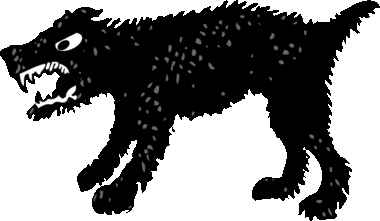
Fear-based aggression in dogs can be concerning and requires understanding from their owners. These dogs often react aggressively when they feel threatened or scared. It’s crucial to recognize the signs of fear in a dog. Signs may include growling, barking, snapping, or lunging at perceived threats. When a dog is afraid, they may feel that aggression is the best way to protect themselves. This behavior can escalate quickly and lead to dangerous situations for both the dog and the owner. Understanding triggers is vital for managing this aggression. Common triggers can include strangers, loud noises, or unfamiliar situations. Owners should take note when these triggers occur and how their dog reacts. It’s important to create a safe space where the dog can retreat when it feels anxious. Furthermore, implementing positive reinforcement techniques can help the dog learn more appropriate responses to fear-provoking situations. Working with a qualified dog trainer or behaviorist may be necessary for severe cases. As every dog is unique, tailored approaches will lead to better outcomes in their behavior modification. Always prioritize their safety during training and interactions.
One effective technique to manage fear-based aggression is desensitization. This process involves gradually exposing the dog to the fear-inducing stimuli at a distance where they feel safe. You can start by allowing your dog to observe the trigger without reacting. Over time, you can decrease the distance and reward calm behavior with treats or praise. It’s essential to proceed slowly and allow the dog to dictate the pace. Additionally, counterconditioning can complement desensitization by changing the dog’s emotional response to the feared stimulus. Doctors and trainers often use this technique when working on fear-based aggression. For example, when a dog sees a person they typically fear, you can provide treats. This teaches the dog to associate the presence of the fear-triggering person with something positive. Consistency is key, and it’s vital to remain patient during this process. Many owners see improvements, but occasional setbacks can occur. Be ready for these moments, and don’t punish your dog for their fear-based behavior. Instead, focus on positive reinforcement to encourage preferred behaviors. Understanding that fear is a natural response can help owners manage their expectations.
Safe Spaces and Management
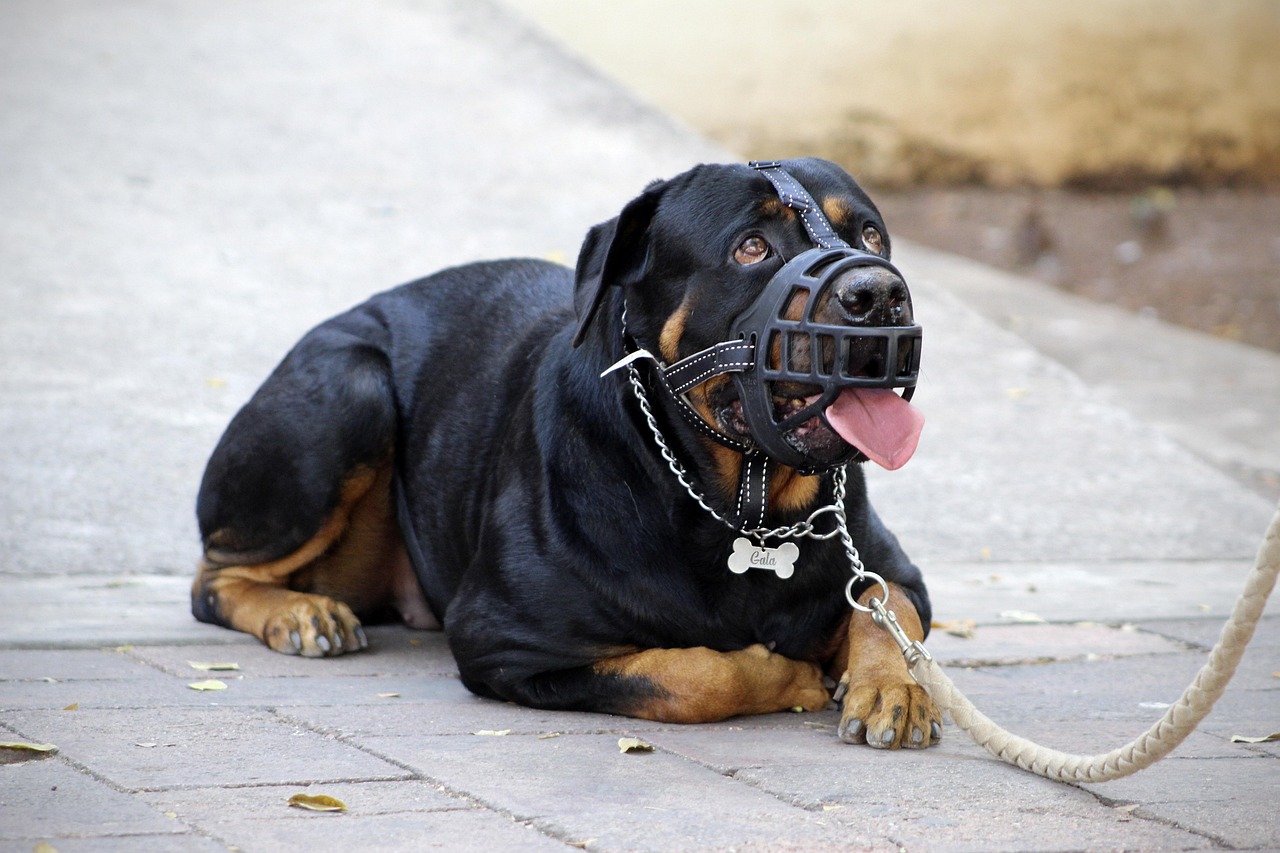
Creating a safe space for your dog at home can significantly help alleviate their fear and aggression. A designated area with comfortable bedding, favorite toys, and calming elements will allow the dog to retreat when feeling overwhelmed. This space should be away from everyday activities and noise, providing a quiet environment. Using tools such as puzzle toys or calming music can promote relaxation. It’s also true that consistency in routines can help reduce anxiety levels in fearful dogs. Sticking to a schedule for feeding, walks, and playtime provides structure, helping your dog feel more secure. When exposed to new experiences, ensure these moments occur in a controlled manner. Gradual, positive introductions to strangers or new situations are critical. Consider using a leash and harness to maintain control during these introductions. Furthermore, giving your dog time to assess the situation on their terms can make a difference. Monitoring body language is essential; if the dog shows signs of stress, it’s crucial to give them space. For aggressive incidents, it’s vital to avoid confrontation, redirecting the dog’s focus to a more productive activity whenever possible.
Reinforcing positive behavior through rewards can significantly improve your dog’s fears and aggressive tendencies. A focus on rewarding desirable behaviors, such as remaining calm in stressful situations, encourages the dog to respond positively over time. Treats and praise are effective tools in this approach. When the dog behaves calmly in the presence of a trigger, immediate rewards can reinforce this behavior. Over time, this will help the dog to better manage their feelings. Additionally, avoid discipline-based reactions to aggressive behavior, as this can exacerbate fear and stress. Instead, redirect the focus to the alternative desired behavior. Training sessions that incorporate commands, like sit and stay, can further enhance communication and build a trusting relationship between the dog and owner. Positive reinforcement training fosters a bond that ultimately aids in reducing fear-based responses. Many trainers recommend consistency in training schedules and regular practice to reinforce learning. Enriching your dog’s life through various activities and exercises can also build confidence, helping them feel a sense of accomplishment. Overall, commitment to these positive interactions will lead to a stronger relationship and a better-behaved pet.
Professional Assistance
In cases of severe fear-based aggression, seeking professional guidance is often necessary. Qualified dog trainers and behaviorists possess the expertise and knowledge required to assess your dog’s behavior rigorously. They can provide tailored strategies and training plans suited to individual needs. Often, these professionals use a combination of techniques, ensuring a well-rounded approach to modify the behavior. Training with a professional ensures that techniques are applied correctly, minimizing the risk of aggravating the aggression. Also, some dogs may require behavioral therapy or medication in more severe situations. Medications can support behavioral modifications, allowing easier management of fear responses. Veterinarians can assist in determining whether medication could be beneficial for specific cases. It’s essential to remember that medication alone is not a solution but a support tool within a comprehensive training regimen. Connecting with professionals in your area or researching reputable resources online could help in finding the right support. Engaging with others who have dealt with similar issues can also provide invaluable insight and encouragement through platforms such as support groups. Patience and persistence are crucial elements in this journey toward a more peaceful relationship.
Finally, maintaining your own calm demeanor is vital when dealing with fear-based aggression in dogs. Dogs are incredibly perceptive, often sensing their owner’s emotions. Maintaining a calm, assertive attitude can contribute positively to your dog’s behavior. If you become anxious or upset, it may intensify your dog’s distress, leading to potential aggression. Practicing deep breathing techniques can help you stay composed during stressful encounters, improving your response to the situation. Remember to take breaks during training sessions, allowing both you and your dog to process experiences. Regular exercise and mental stimulation are crucial; they help reduce overall anxiety levels in dogs. A well-exercised dog is generally less likely to react aggressively out of boredom or pent-up energy. Engaging with your dog in games or playtime can alleviate stress for both you and your pet. Also, consider incorporating socialization opportunities at a suitable pace, ensuring your dog feels comfortable and less threatened. Building confidence through various positive experiences can create lasting changes in behavior. Remember, the journey of overcoming fear and aggression is gradual, and consistent measures lead to long-term success.
Conclusion
In conclusion, addressing fear-based aggression requires comprehensive understanding and management strategies. Observing behaviors and recognizing triggers are crucial first steps in creating a plan tailored for your dog’s needs. Setting up safe spaces, reinforcing positive behavior, and seeking professional assistance when necessary all contribute to an environment conducive to change. With patience and dedication, many owners successfully improve their dog’s fear-based reactions. Focusing on building confidence through rewards can create a stronger bond between pet and owner, leading to a happier and healthier relationship. A commitment to understanding your dog’s fear and addressing it specifically is critical. Engaging actively in their ongoing training will also enhance your approach. Always remember that aggression stems from fear, and providing a safe atmosphere allows for healing and growth. Ultimately, working with your pet will lead to significant improvements over time, fostering a more relaxed and enjoyable experience for both of you. In the long run, proper management of fear-based aggression can help your dog lead a fulfilling life, free from the stress of fear.
Each dog is unique, and so are their experiences with aggression. Your journey will involve learning about your dog and being adaptable. By being proactive in addressing fear-based aggression, you position yourself to cultivate a lasting relationship built on mutual respect and understanding. That is the ultimate goal of training and behavior modification. Embrace the process while being Kind, compassionate, and supportive to your furry friend every step of the way. In the end, the bond you share will benefit both parties as you empower your dog to face their fears safely and effectively.