
Natural Remedies and Holistic Care for Maltese Health
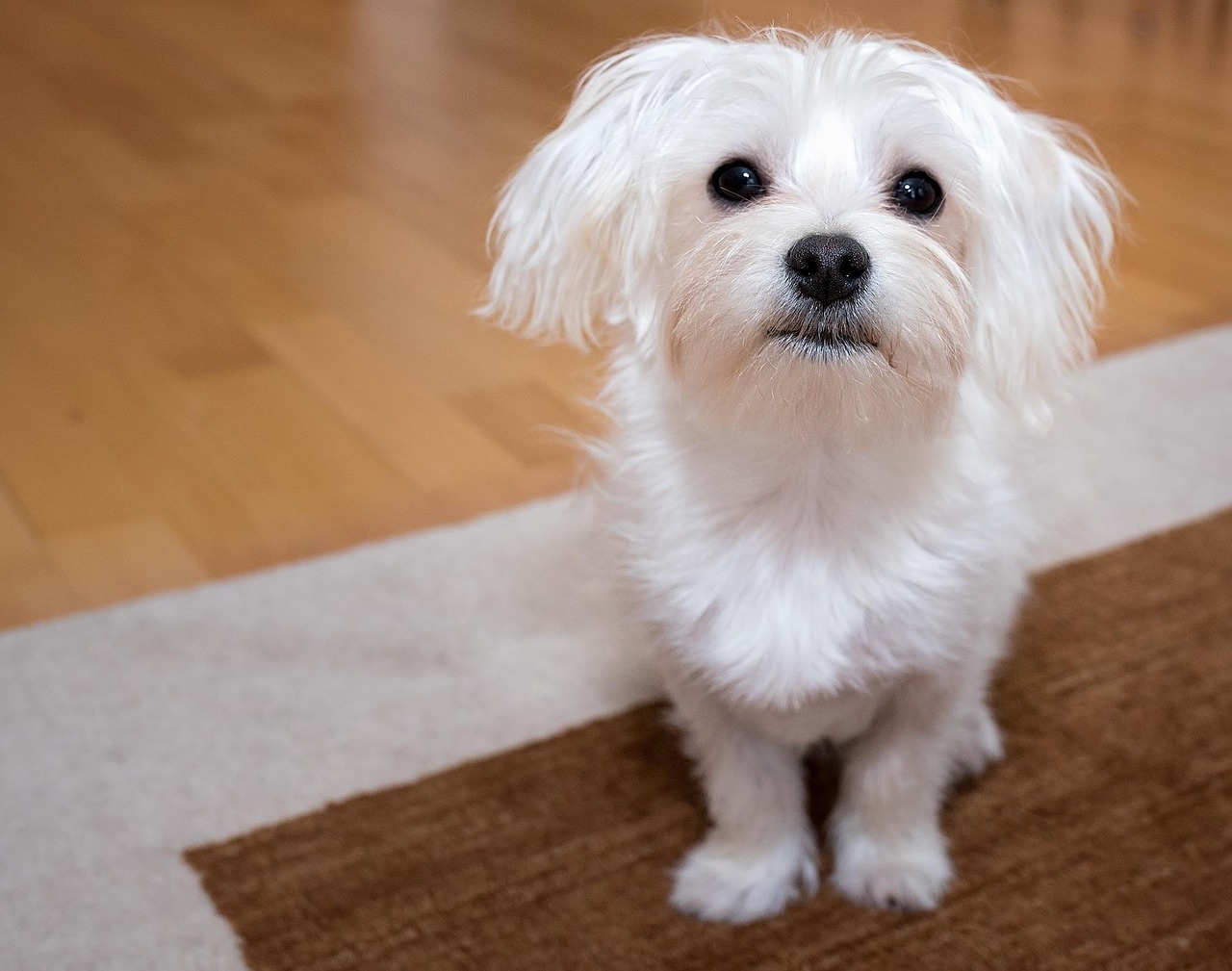
The Maltese dog is a small, affectionate breed known for its playful personality and stunning coat. Ensuring the health of your Maltese can involve natural remedies and holistic practices that promote well-being. Nutrition is crucial; feeding your Maltese a balanced diet rich in whole foods—such as lean meats, vegetables, and grains—can enhance their overall health. It’s also essential to incorporate high-quality dog food formulated for small breeds to meet their specific needs. Additionally, opting for natural supplements, such as Omega-3 fatty acids, can support healthy skin and coat. Regular exercise is vital for maintaining a healthy weight and optimal energy levels. Activities like daily walks, short play sessions in the park, or interactive games can satisfy their exercise needs. Mental stimulation is equally important; engaging your Maltese in training exercises, puzzles, or interactive toys helps in cognitive development. Lastly, regular veterinary check-ups can help identify health issues early, ensuring that your Maltese continues to live a vibrant, happy life.
Holistic approaches to care extend beyond diet and exercise; they include nurturing your Maltese’s emotional well-being. Nature walks and outdoor playtime not only offer physical activity but also mental enrichment. Using herbal remedies, like chamomile or lavender, can help ease anxiety and promote relaxation. If your Maltese struggles with anxiety or stress, calming herbs can be beneficial. In these cases, consult your veterinarian before introducing new remedies. Aromatherapy is another holistic approach worth considering to create a calming atmosphere. Adding essential oils such as lavender—used sparingly—can soothe your pet’s nerves. Additionally, consider acupuncture or chiropractic care, especially for older Maltese dogs experiencing discomfort or mobility issues, as these techniques may promote better health and improve their quality of life. Hydration is also a critical aspect of holistic care. Providing fresh, clean water ensures your dog remains well-hydrated, which is vital for overall health. Lastly, practice good hygiene by regularly grooming your Maltese’s coat to prevent mats and skin issues.
Promoting Dental Health in Maltese
Maintaining dental hygiene in your Maltese is essential for overall health. Small breeds like the Maltese are prone to dental issues, making regular dental care a priority. Start by brushing your dog’s teeth with special toothpaste designed for canines—do this several times a week to help prevent plaque buildup and dental disease. Provide dental chews or toys that promote chewing; these can help keep their teeth clean and gums healthy. Regularly scheduled dental cleanings with your veterinarian can also help detect any potential issues early on. Be aware that dental disease can lead to systemic health problems if left untreated. Additionally, incorporating raw fruits and vegetables into their diet can serve as a natural way to whittle away plaque. Carrots, apples, and sweet potatoes are tasty options that can aid in maintaining oral health while serving as nutritious snacks. Furthermore, consider offering water additives specifically designed to reduce plaque and freshen breath. Educating yourself on the importance of dental health in Maltese dogs will empower you to take proactive steps in maintaining their overall wellness.
While focusing on diet and dental health is vital, regular grooming also plays a significant role in Maltese health. Their long, flowing coat requires consistent grooming to prevent tangles and mats. Use a high-quality brush designed for long-haired breeds, and schedule grooming sessions at least two to three times per week. Bathing your Maltese every four to six weeks will help maintain coat cleanliness. Utilize gentle, dog-specific shampoos to avoid skin irritation. Pay special attention to their ears as well; gentle cleaning with vet-approved products can help prevent ear infections. Regularly check your Maltese’s eyes for any signs of tear staining or irritation; consult your veterinarian if you notice abnormalities. Furthermore, giving your Maltese regular paw checks keeps their feet in good condition; trim their nails as needed and inspect their pads for any foreign materials or injuries. Incorporating grooming into your routine provides not just aesthetic benefits but ensures the comfort and well-being of your dog. Lasting bonds can be formed during these grooming sessions, further enhancing your dog’s trust and enjoyment.
Importance of Socialization
Socialization is crucial for Maltese dogs, impacting their behavior and overall temperament. Early socialization helps prevent behavioral issues and anxiety, encouraging your Maltese to be well-adjusted around different people, pets, and environments. Introduce your Maltese to various situations, environments, and experiences gradually. Arrange playdates with other friendly dogs to build social skills and promote positive interactions. Enroll in puppy training classes that emphasize socialization; this is a great way to meet other dogs and learn appropriate behaviors. Exposure to different sounds, sights, and even textures can build confidence. Supervise play with children and other pets to ensure a safe experience for everyone involved. Remember that positive reinforcement is essential; praising your Maltese during social interactions encourages confident behavior. Furthermore, participating in dog-friendly community events can also help strengthen your Maltese’s social skills. Forcing interactions can lead to fear or anxiety; instead, focus on gradual exposure. A well-socialized Maltese will typically exhibit more relaxed and friendly behaviors as they grow, leading to a happier and healthier life.
Regular exercise is another key component of Maltese care. These small dogs have a lot of energy packed into their tiny bodies. Daily exercise keeps them physically fit and mentally engaged. Short walks, interactive play, and agility training can all be excellent ways to provide the necessary outlet for their energy. Incorporate different activities in their routine to ensure variety, preventing boredom and destructive behaviors that could arise from lack of stimulation. A fenced yard can be a safe place for your Maltese to run and play, but always supervise them during outdoor activities. Engaging in fetch or hide-and-seek can provide both physical and mental engagement. Additionally, consider visiting dog parks where they can interact with other dogs in a controlled environment. Remember not to overload them with exercise, as their small size can lead to exhaustion. Always observe their energy level and provide plenty of breaks during activities. Integrating a routine that includes ample physical exercise will contribute to your Maltese’s overall happiness and longevity.
Maintaining Overall Wellness
Maintaining the overall well-being of your Maltese requires a multifaceted approach. Routine veterinary check-ups are essential for preventive health care; regular exams can help identify any underlying health issues early on. Vaccinations, heartworm prevention, and flea control should be part of your wellness plan. Additionally, staying informed about breed-specific health concerns can empower you to watch for symptoms and seek treatment early. Consider keeping a health journal to track your Maltese’s visits, medications, and any changes in behavior or physical condition. Good mental health is just as important as physical health; ensure your Maltese has ample opportunities for mental stimulation throughout the day. Quality time spent playing, training, or simply enjoying each other’s company strengthens your bond and provides emotional support for your pet. Lastly, creating a comfortable, stress-free home environment filled with love will contribute to their overall happiness. Each Maltese is unique and may require different levels of care and attention, so being observant and responsive to their needs will lead to a rewarding relationship.
In conclusion, incorporating natural remedies and holistic care practices into your Maltese’s routine can significantly enhance their quality of life. Through a combination of a balanced diet, regular exercise, grooming, socialization, and preventive healthcare, you can ensure your Maltese remains healthy and happy. Understanding their unique needs and maintaining regular communication with your veterinarian will provide comprehensive care. Exploring the benefits of holistic remedies, such as herbal supplements and aromatherapy, can offer additional support for your dog’s emotional and physical wellness. Moreover, the importance of dental hygiene and preventive measures cannot be overstated; investing time in these practices may save you from costly vet bills in the future. Whether through engaging playtime or nurturing relationships, fostering a love-filled environment contributes positively to your Maltese’s mental well-being. Every dog deserves a loving, supportive lifestyle that promotes their health and happiness. By actively participating in your Maltese’s wellbeing, your bond will deepen, leading to shared joy and companionship for years to come. Prioritize your Maltese’s health today, and your pet will thrive!