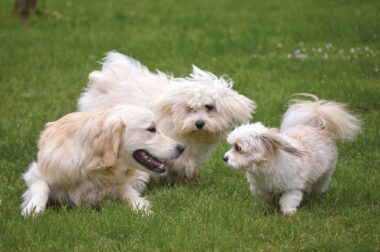
How to Create a Routine that Supports Dog Socialization with Other Pets
Establishing a routine is key for supporting dog socialization with other pets. A consistent schedule helps dogs develop confidence and understand expectations. Start by introducing your dog to different pets in controlled environments. Choose a neutral location where they won’t feel territorial or defensive. This could be a friend’s house or a quiet park. Always ensure that both dogs have had positive experiences with other animals beforehand. Gradually increase the time they spend together while monitoring their behavior closely. Positive reinforcement, such as treats and praise, will encourage good interactions. Prioritize safety by using leashes or muzzles if necessary. Observe body language for signs of stress or aggression. If either animal appears uncomfortable, separate them and try again later. Ensure physical and mental stimulation by including play sessions and training activities in your routine. Use these opportunities to teach your dog commands that are relevant to social situations. The more comfortable dogs feel with guidance, the better they will respond during social interactions. Always reward calm behavior and provide ample breaks. With time and consistency, your dog will grow into a well-socialized companion.
Another important aspect is socializing your dog in a variety of settings. Visiting pet-friendly areas, such as parks and pet stores, can offer new experiences. These environments expose your dog to various stimuli, helping them adapt and become more resilient. Schedule routine visits to these locations at least once a week. Introduce them gradually to other animals, as well as humans. Encourage friendly encounters by bringing treats and allowing your dog to sniff or greet other pets at their own pace. Track progress in a journal to see improvements over time. Additionally, attending obedience classes or local dog meetups can provide structured socialization opportunities. These interactions with different dogs will teach your canine important social cues. During these interactions, observe your dog’s behavior closely. If they exhibit fear or aggression, make sure to address it with training techniques. Be patient; dog socialization takes time, and each dog progresses at their own pace. Celebrate small victories to keep both you and your dog encouraged. To further enhance their experience, seek advice from professional trainers when in doubt. By exposing your dog to diverse environments and situations, you considerably improve their social skills.
Incorporating socialization activities into your daily routine is essential. Short, frequent sessions are often more effective than long, infrequent ones. You can schedule socialization sessions after regular daily walks or training sessions to maintain motivation. Consider setting aside specific times each day for brief interactions with small groups of other pets. This consistent routine allows your dog to get used to encountering others without feeling overwhelmed. Use various locations for these activities, which could even include inviting friends over with their pets. Gradually increase the number of pets your dog interacts with as they become more comfortable. Pay attention to both positive and negative interactions, as this feedback will help you tailor future sessions. Incorporating interactive toys can also make these activities fun and engaging, both for your dog and the other pets. Use the opportunity to create rewarding scenarios where all animals feel valued and involved. Throwing a toy for both dogs to chase can foster camaraderie. Remember to include breaks in your routine so that your dog can relax and acclimatize. This balanced approach helps ensure that socialization remains a positive experience, ultimately benefiting their overall behavior.
Monitoring interactions during socialization sessions is crucial for success. Make sure that both your dog and other animals are well-matched in energy levels and temperament. If your dog is shy, pairing them with calmer, friendly pets can help build their confidence. On the other hand, energetic dogs may benefit from playing with similar peers to drain excess energy, fostering a sense of comfort. Always supervise the dogs closely to intervene at the first signs of stress or aggression. Body language plays a big role in this process; look for signs like lip licking, yawning, or turning away from other animals. These can indicate anxiety and the need for space. If an interaction feels overwhelming, it’s essential to redirect the situation calmly. Use training commands your dog knows to refocus their attention on you. Providing positive reinforcement will encourage good behavior during these interactions. Remember, the goal is to cultivate positive associations with other pets. As they gain confidence, gradually increase the complexity of social situations, such as introducing them in larger gatherings, festivals, or organized dog walks. This continuous exposure will enhance their adaptability.
While dog socialization is vital, it’s also important to address your dog’s individual needs. Consider factors such as age, breed, and personality when designing your socialization routine. For instance, older dogs might require slower introductions when meeting younger, more energetic pets. Similarly, certain breeds may have inherent tendencies that affect their interactions. Research common traits associated with your dog’s breed to better understand their behavior. If your dog is particularly nervous or aggressive, professional help from a trainer or behaviorist should be considered. They can offer tailored strategies specific to your dog’s needs, ensuring successful social interactions. If your dog shows a strong negative reaction towards other pets, take a step back. Gradually re-establish comfort levels with desensitization techniques. Always ensure a positive experience when introducing socialization. Keep each interaction brief and treat-filled, so your dog associates meeting other animals with positive rewards. Regularly adjusting your routine based on progression will aid long-term success. Ultimately, fostering a healthy routine will help ensure that your dog not only socializes well with other pets but also enriches their overall life experiences.
In addition to routines, it’s crucial to maintain effective communication during socialization. Teaching consistent cues can help your dog understand your expectations. For example, commands like ‘leave it’ or ‘come’ can redirect their focus away from distractions. Being consistent with these cues reinforces their understanding, providing predictability in social scenarios. Use these commands frequently, positively associating them with rewards. During socialization sessions, practicing (and rewarding) these cues will improve your dog’s responsiveness. This ongoing training allows your dog to learn appropriate behaviors when encountering various animals. Familiarity with your commands can help reduce anxiety when your dog feels uncomfortable. Training should be enjoyable and engaging. Create a fun learning environment where your dog is motivated to participate. Choose a mix of games and basic obedience exercises to keep it interesting. Incorporating play will also tire them out, reducing the likelihood of overexcitement when socializing with other pets. Moreover, consistency can build trust and strengthen your bond with your dog. As they learn to listen and respond effectively, they will feel more confident interacting with other animals. Ensuring continued communication in social settings enhances both your and your dog’s social experiences.
Lastly, evaluate the success of your dog’s socialization routine regularly. Assess progress by taking notes on the interactions and behaviors observed over time. This reflection will help you determine the effectiveness of your strategies and routines. Watch for gradual improvements, as consistency in practice yields the best results. Take into consideration the overall emotional wellness of your dog, including their comfort and willingness to engage. If your dog continues to exhibit fear or aggression, reconsider methods being used. Adjustments may be necessary to ensure they feel comfortable during social interactions. Review current routines, seeking areas for improvement. Adding or changing elements may invigorate the socialization process. Seeking external help, such as trainers, pet centers, or behavioral specialists, can lend valuable insights as well. Additionally, be patient through this process. Socialization is as much about building trust as it is about exposure to new pets. Always celebrate milestones, no matter how small, to keep both you and your dog motivated. In time, with dedication and consistency, your dog will become confident in social settings. Positive experiences will not only improve their behavior but also enrich their life by fostering strong, social relationships.
This routine can significantly improve their quality of life and happiness.