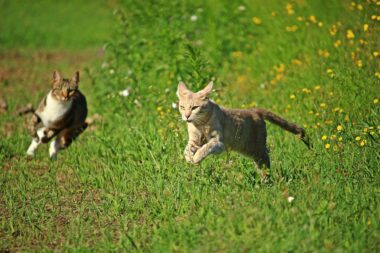

How to Motivate Your Cat to Increase Physical Activity
Cats are naturally curious and energetic animals, yet many pet owners struggle to get their felines moving. Encouraging your cat to maintain physical activity is essential for their overall health and well-being. Lack of exercise can contribute to obesity, stress, and other health problems. To combat this, you can incorporate various engaging activities that inspire your cat to be more active. Start by observing your cat’s unique play preferences, and create an environment rich in stimulating toys that challenge their agility. Use items like feather wands and laser pointers to engage their predatory instincts, simulating a hunt. Treats can also be used strategically, enhancing motivation. As your cat becomes more active, monitor their behavior and adjust your approach accordingly. Keeping your home enriched is vital, providing scratching posts, climbing furniture, and cozy hideaways. Setting aside regular playtime sessions not only encourages exercise but also strengthens your bond with your pet. Remember, every cat is different. Patience and creativity are key in finding what uniquely fuels your cat’s enthusiasm for play. Ensure a routine that integrates active moments, making it enjoyable for your feline friend.
Tracking your cat’s activity levels can uncover essential insights about their health. Monitoring their movements will help you understand if they are getting sufficient exercise. Potential solutions include using wearable collars designed to track your cat’s daily activity or utilizing smartphone apps that complement these devices. Wearable technology can provide compelling data on how much time your cat spends active versus resting. This information can aid you in maintaining an ideal weight for your pet and recognizing any significant behavioral changes. Implement interactive toys that encourage activity in addition to tracking devices. Sometimes, it’s not just about tracking but also stimulating action through engagement. Introduce puzzle toys that require your cat to play and think simultaneously by releasing treats hidden within. Such solutions can be excellent for both mental and physical stimulation. You might also want to consider setting goals based on your tracking data. Setting a benchmark can motivate you and your cat to exceed expectations. Engaging with a vet about specific activity levels based on your cat’s age and breed can tailor your approach, ensuring they receive the optimal care they deserve.
Understanding Cat Behavior and Physical Activity
Your cat’s activity levels reflect their overall mood and health. Understanding feline behavior can illuminate the relationship between play and physicality. Cats are instinctual hunters, and their exercise needs can often relate back to this natural behavior. While many domesticated cats may not require the same activities as their wild counterparts, instilling a sense of hunting through play can increase their physical activity levels. Observe your cat’s preferences when selecting toys or games; some might prefer chasing freely around the house while others may enjoy climbing or hiding. Therefore, offering various interactive options ensures your cat remains engaged. Conducting individual assessments of your feline’s interests can aid in tailoring strategies that resonate best with them. Integrative experiences promote confidence and resilience in your cat’s character. Having designated play zones and varied activities helps mitigate boredom, which can lead to inactivity. Initial progresses should be small and incremental, helping your feline gradually develop their exercise routine. Aim for at least 15 minutes of active play each day, adjusted for age and health considerations. Consistent engagement keeps your cat fit while reinforcing your bond.
Environmental factors play a key role in motivating your cat to be more active. A boring environment will not excite your feline and could contribute significantly to their inactivity. Enriching your home can take many forms, such as establishing perches by windows, placing climbing structures, and providing safe interactive elements. As cats are naturally curious, they love exploration, and creating a varied environment fosters curiosity and playfulness. Additionally, rotating toys every few days can keep your cat mentally stimulated and encouraged to interact with what’s available. Consider also keeping your home clean of dangerous items, as an engaging environment free of risks lets your cat roam freely. The addition of vertical space is especially appealing to many feline companions; the ability to climb creates enrichment and activity. This can involve shelves or designated cat trees that meet this need. Offering safe outdoor access can also increase physical activity, whether it’s through supervised outdoor time or leash training. Keeping in mind the importance of your cat’s safety will allow outdoor excursions to happen without unnecessary risks.
Incorporating Play into Daily Routines
Integrating playtime into your daily schedule can significantly motivate your cat to increase physical activity. By creating a set routine for play, your feline will anticipate these sessions, understanding when it’s time to engage. Establishing a fixed time for morning or evening play can make exercise a habit. Take turns incorporating various activities such as chasing toys, interactive games, and engaging with puzzle feeders to keep your routines fresh. Experiment to determine which methods are most successful in grabbing and retaining your cat’s attention. Short bursts of energetic play can be more enticing than longer sessions, especially for younger cats or kittens filled with energy. Vary the duration and types of activities you introduce, adjusting based on your cat’s response and preferences. You can also sprinkle in surprise play sessions throughout the day when your cat seems particularly playful. Creating a positive association between play and your presence can significantly strengthen your bond. Seek to engage in minimal distractions which allows your feline a focused playtime experience together, with you as the responsible partner fostering engagement.
Another effective way to increase your cat’s physical activity is using positive reinforcement strategies. When your cat engages in physical activities, offering praise and rewards creates a positive association with exercise. Utilize treats or toys to reinforce behaviors such as chasing or climbing. It promotes exploration and encourages them to be active. Cats thrive in environments where they feel safe and rewarded, seeing their humans as partners in play. Involving your feline in exciting activities must stay consistent to reinforce such behavior effectively. Employing clicker training, therefore, could be an excellent alternative. This training method signals desired actions, allowing your cat to associate fun with your commands. The combination of positive reinforcement and clicker details ensures stimulation is fun and effective. Utilize humane alternatives for managing undesired behaviors while promoting playfulness. Enforcing boundaries without alluding to punishment leads to better results. Take the time to explore what your particular cat enjoys; some motivate with food or praise, while others respond to affection. Regardless of the method, fostering a playful environment sustains motivation and encourages healthier mobility.
Monitoring and Adjusting Progress
Frequent assessment of your cat’s progress is crucial in maintaining their physical activity levels. Through tracking their behavior, as discussed earlier, adjustments can be made as needed. Continuous observation allows you to tweak exercises, goals, or schedules, ensuring your cat stays motivated and engaged. Analyze the feedback gained from tracking tools; if your feline shows improvement, reinforcing those successful activities can lead to positive long-term habits. Additionally, it’s helpful to occasionally revisit veterinary recommendations regarding your cat’s physical capabilities and requirements. Also, keep an eye on symptoms of excessive lethargy or fatigue that might indicate health concerns requiring prompt attention. Tailor play sessions as needed, varying between busy active periods and more relaxed engagement could help cater to their unique energy levels. Remember, less active cats should gradually acclimate to increased exercises based on their overall condition and age. Consultation with a veterinarian or feline behaviorist can also provide in-depth insights. Craft a plan that prioritizes your cat’s comfort and interest while promoting physical vigor, ensuring journeys toward a healthier lifestyle remain enjoyable.
In conclusion, motivating your cat to increase physical activity necessitates a multifaceted approach, focusing on engagement, understanding behavior, and regular monitoring. Fostering a lively environment paired with routine choices forms the bedrock of wholesome exploration. Incorporating enriching elements and interactive play uplifts your cat’s spirits and contributes to their well-being. Both the mental and physical stimulus can combat lethargy while encouraging healthier outcomes. Understanding your feline’s behavior allows you to introduce new activities and responses that resonate personally, keeping both you and your pet invested in the journey. It’s through patience and creativity that we can enhance their play experience, solidifying the bond you share. Every cat responds differently to activities, so take the time needed to identify what works best for yours. Adapting and evolving your strategies in monitoring their progress will enrich their daily lives. Researching various aspects of feline health directly correlates to healthier, happier cats. Treat your journey as a shared adventure with daily revelations. Together in this, you can celebrate both small and significant victories, understanding that each effort you invest makes a robust impact on your companion’s well-being.