
The Role of Exercise in Reducing Excessive Licking in Dogs
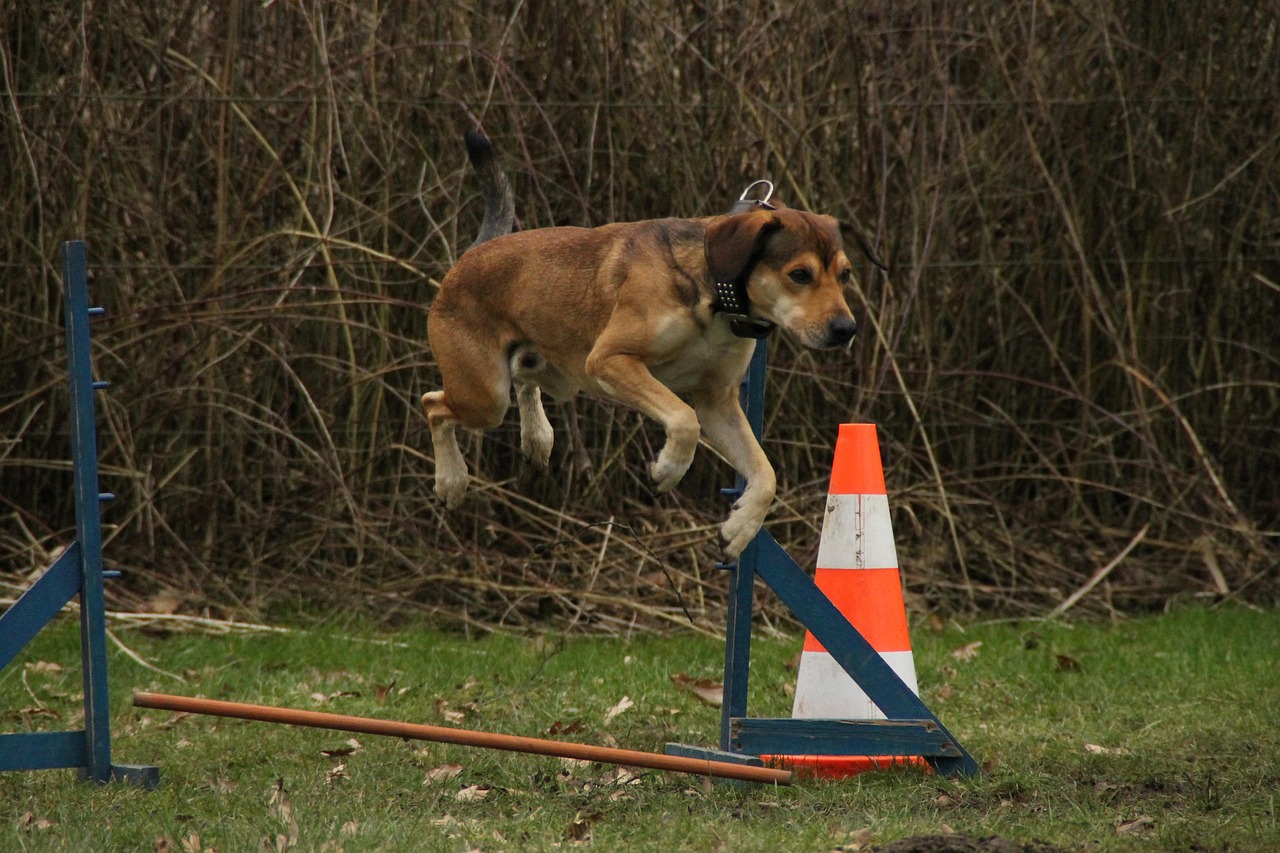
Excessive licking is a common behavior problem amongst dogs and can lead to various skin issues and other complications. Many dog owners grapple with this condition, unsure of how to tackle it effectively. One significant consideration is the role of exercise in addressing excessive licking. Regular physical activity is crucial for dogs, serving multiple purposes. Firstly, exercise allows dogs to expend energy, keeping them mentally and physically stimulated. A tired dog is less likely to engage in destructive behaviors like excessive licking. Additionally, lack of exercise can result in anxiety and boredom, which can further contribute to this licking behavior. Proper exercise forms a routine, providing a predictable schedule for your furry friend. Engaging in daily activities can drastically improve your dog’s overall mood and health, which may help mitigate their excessive licking. Dogs that remain active often display better mental clarity and behavior management. Owners can consider outings to the park, structured play, or agility training as methods to incorporate exercise into their dogs’ lives, thereby promoting healthier habits and reducing issues surrounding excessive licking.
Understanding the Reasons for Excessive Licking
To effectively address excessive licking in dogs, it’s essential to understand the reasons behind this behavior. Aside from exercise deficiencies, other factors may contribute significantly. Stress or anxiety can manifest in various ways, including excessive licking. Dogs may develop this habit as a coping mechanism when they’re anxious or under stress, often leading to skin irritations or wounds. Medical issues, such as allergies or infections, can also prompt a dog to lick excessively. Identifying these underlying health conditions requires veterinary consultation. Treatment options can vary depending on the identified cause and might include medications or a change in diet. Owners should monitor their dogs’ behaviors closely and note any triggers causing increased stress or anxiety. It’s also helpful to maintain a distraction-free environment to alleviate potential stressors. Social interactions, training exercises, or toys can provide healthy channels for releasing pent-up energy or anxiety. By recognizing and treating the root cause of excessive licking, alongside incorporating an exercise regimen, owners can proactively manage this issue, leading to improved health and happiness for their dogs.
Providing mental stimulation is another critical aspect in combating excessive licking in dogs. Engaging your dog’s mind can be as important as physical activity. Boredom often exacerbates licking, leading to unwanted habits. Various interactive toys and puzzles are available to help dogs think critically and stay entertained. Treat-dispensing toys can keep them occupied, offering a task to focus on rather than licking. Another way to provide mental stimulation is through training sessions. Teaching your dog new commands or tricks not only offers exercise but also mental engagement. Consistency in training helps reinforce positive behaviors while effectively managing excessive licking. Hiking, exploring new environments, and introducing them to different sounds, sights, and smells can also satisfy their curiosity, all the while providing essential mental exercise. In addition, arranging playdates with other dogs offers both socialization and mental engagement, which could reduce behavioral issues. Owners must strive to create an environment where their dogs feel mentally enriched, balancing both physical and cognitive activities to achieve optimal well-being and reduce the urge to lick excessively.
Establishing a Routine
Establishing a structured daily routine directly benefits dogs, particularly in managing behaviors like excessive licking. Canines thrive when they know their schedule, as this predictability brings them comfort and stability. Developing a routine encompassing regular feeding, playtime, and exercise ensures dogs have a balanced lifestyle. Sticking to a consistent exercise schedule is vital; it keeps them physically active and mentally engaged throughout the day. Routine training sessions can also reinforce desirable behaviors while minimizing opportunities for excessive licking. For instance, scheduling daily morning walks and evening play sessions can create anticipation and excitement, keeping dogs focused on something other than licking. Owners can also implement designated times for grooming, which helps alleviate possible skin irritations contributing to licking. Regular grooming sessions can lead to better coat health, reducing the urge to lick. Building socialization opportunities into this routine, such as visits to dog parks or activities with friends, promotes mental stimulation and exercise, enhancing behavioral control. Overall, a structured routine offers dogs the structure they crave while ensuring that their needs for exercise and mental engagement are met.
Utilizing positive reinforcement techniques is a powerful method to combat excessive licking. When owners notice their dogs engaging in desirable behaviors rather than licking, rewarding them with treats or praise can strengthen that behavior. Training sessions allow opportunities to reward positive actions consistently. For example, when dogs are successfully redirected during periods of licking, immediate reinforcement encourages continued positive behavior. It builds a solid foundation of trust and strengthens the bond between the owner and the dog. Positive reinforcement also instills confidence in dogs, reducing anxiety that may trigger excessive licking. Implementing commands such as “leave it” and rewarding compliance can effectively deter licking behavior. This creates a clear communication channel between the owner and the dog, which fosters a better understanding of acceptable behaviors. Engaging in this positive cycle promotes overall well-being, ultimately leading to dogs feeling more secure in their environment. Rewarding dogs with regular interactions, training, and fun activities also encourages less licking while enhancing their quality of life. Understanding and applying positive reinforcement techniques proves beneficial in reducing excessive licking and improving the behavioral aspect of your pet’s life.
Implementing Diverse Exercise Activities
Incorporating diverse exercise activities into your dog’s routine enhances their physical and mental well-being, playing a crucial role in addressing excessive licking. Each dog has unique preferences when it comes to exercise, and owners should explore various options to find what resonates with their canine companions. Activities like fetch, swimming, or hiking are great alternatives to ensure dogs burn off energy adequately. Engaging in these fun activities helps form a close owner-dog relationship while mitigating any anxiety that leads to excessive licking. Participating in group classes, such as obedience or agility training, offers both physical exertion, mental stimulation, and social interaction with other dogs and their owners. Varied experiences prevent tedium and encourage excitement about physical activities instead of licking behaviors. Engaging dogs in scent games can also be effective; these activities help channel their natural instincts and deepen mental engagement. Utilizing a mix of walks, play dates, and new activities stimulates their curiosity and drives away behavioral issues like excessive licking. Tailoring a fitness activity plan to fit your dog’s needs fosters bond building, excitement, and a well-disciplined pet overall.
Monitoring your dog’s behavior through regular check-ins is essential for maintaining progress in reducing excessive licking. Owners must remain vigilant in observing any shifts in their dog’s tendencies, noting potential triggers or stressors. A dedicated log might help track licking episodes or behavioral changes, aiding in identifying patterns that inform future interventions or adjustments in routine. If a dog resumes excessive licking despite increased exercise and training, consulting a veterinarian is crucial for comprehensive evaluations. This process ensures any underlying health problems are addressed promptly. Additionally, modifications in exercise routines may be necessary to keep your dog engaged and motivated. Keeping track of their interests helps develop a more customized exercise plan that aligns with their preferences. Consistent vigilance fosters a pro-active approach to manage and curb licking behavior, emphasizing the importance of holistic health care alongside physical activity. Owners should work hand-in-hand with professionals and be proactive about their dog’s routine. Through regular assessments, potential issues can swiftly be corrected, ensuring dogs remain healthy, happy, and engaged, which is key in minimizing licking issues.
Conclusion
In conclusion, addressing excessive licking in dogs involves a multifaceted approach encompassing exercise, mental engagement, and proper training. Owners are encouraged to understand their dogs’ unique behaviors, adapt routines for enhancing mental and physical stimulation, and implement positive reinforcement techniques effectively. Tailoring the daily regimen ensures dogs enjoy well-balanced lives, preventing boredom and anxiety. Regular check-ins on behavioral patterns provide crucial insights to manage excessive licking effectively. Comprehensive health evaluations are necessary to rule out medical issues that may contribute to the licking habits. The combination of structured routines, creative exercise, and engaging activities promotes an overall positive state for dogs. A consistent exercise program fosters improved behavior and leads to happier pets. Ultimately, when owners commit to providing not just physical activity but also mental enrichment and companionship, they create a supportive environment that diminishes the chances of excessive licking. The key lies in understanding their dogs’ needs fully while implementing tailored strategies to enhance their well-being and behavior management.