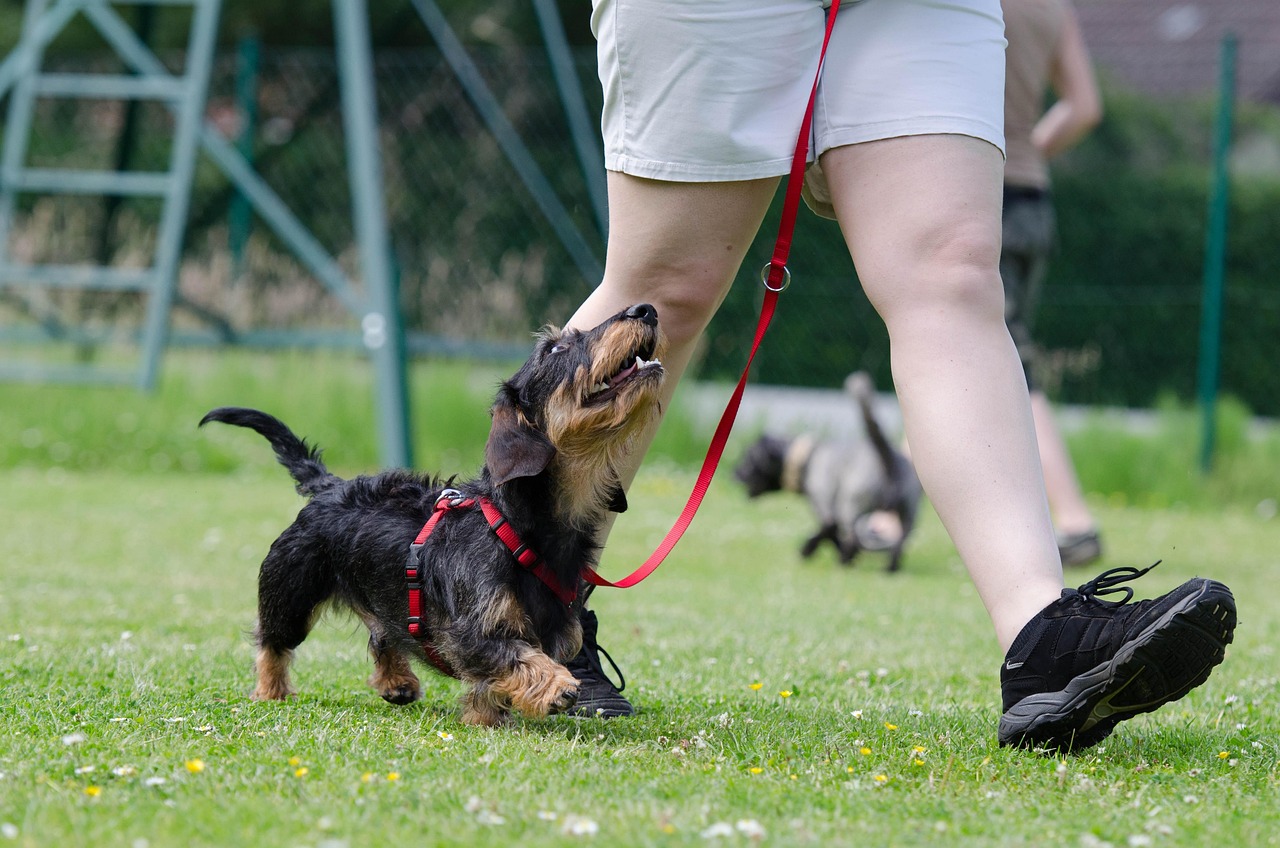

Understanding Training Plans
When interviewing potential dog adopters, it is crucial to gauge their understanding of training plans. Training is a fundamental aspect of responsible dog ownership. Thus, consider asking them detailed questions about how they plan to train their new dog. You may want to ask about their prior experience with dogs, focusing specifically on any training methods they have utilized before. Furthermore, encourage them to share specific techniques they intend to employ to teach basic commands. People should express the importance of positive reinforcement and consistency in their training approach. Additionally, inquire about socialization and whether they plan to expose their dog to different environments and experiences. This exposure can significantly impact a dog’s behavior and temperament. Ask how they would address behavioral issues or challenges they may encounter during training. Overall, the goal is to ensure that the adopter has a comprehensive training plan that prioritizes the dog’s well-being and creates a harmonious home environment. It’s essential for adopters to recognize the long-term commitment of dog training and develop a strategy suited to their lifestyle and the dog’s needs.
Exercise and Activity Levels
The importance of exercise in a dog’s daily routine cannot be overemphasized. Regular physical activity is vital for a dog’s overall health and happiness. When assessing the adoptive family, inquire about their planned exercise regimen for the dog. Start by asking how many hours a day they anticipate dedicating to walks, playtime, and outdoor activities. Different breeds have varying exercise needs, so it’s essential to match those needs with the adopter’s lifestyle. Find out if they have access to parks or open spaces for their dog to enjoy. Understanding their preferred activities can also provide insights, such as whether they plan on jogging or hiking with the dog. Furthermore, conversation about the types of games and interactions they envision for exercise can reveal their commitment to meeting these needs. Ask how they plan to ensure social interactions with other dogs during exercise. Ultimately, a dog that gets sufficient exercise is less likely to develop behavioral issues, enhancing the dog’s overall well-being and the adopting family’s satisfaction.
Another critical aspect to cover is the adopter’s strategies for maintaining the dog’s motivation during training and exercise sessions. Assessing whether they have a plan for keeping their dog engaged is important. Discuss how they aim to incorporate toys and rewards in combination with training sessions. Engaging dogs in training using their favorite toys can create high energy and excitement, leading to easier learning experiences. Additionally, it’s beneficial for potential adopters to understand the balance between play and work in learning environments. Ask about their willingness to change approaches if they find a certain method ineffective. Flexibility in adapting training techniques and exercise routines will help safeguard the dog’s learning process. Some dogs thrive on routine while others may require more variety. A successful adopter recognizes these differences and is committed to finding what works best for their new furry friend. Moreover, determine how they plan to monitor their dog’s progress throughout training and exercise, which prevents stagnation in the learning process and encourages growth for both the timid and more energetic dogs.
Socialization and Interactions
Socialization is crucial for every dog’s development. When interviewing potential adopters, it’s essential to explore their plans for socializing their new pet. Ask how they intend to introduce their dog to new people and environments. Ask whether they are familiar with dog parks or puppy training classes, as these can expose the dog to diverse settings and other animals, helping reduce anxiety. It’s important to evaluate whether they understand the critical windows for socialization. Some breeds may require more social coaching than others, so delve into how they will ensure positive experiences for their dog in new situations. Discuss how they will handle introductions to other pets, which is vital for a smooth transition into a multi-animal home. Consider requesting examples of interactions the adopter might encourage, such as play dates with friends’ dogs. What is their approach to introducing their dog to kids or unfamiliar adults? Their strategies can offer insights into whether they can create a social environment that will stimulate the dog’s growth and adaptability while also ensuring its safety and happiness.
In addition to training and exercise, another fundamental component to discuss is the importance of creating a structured routine for the dog. Ask potential adopters what their daily schedule will look like, especially regarding feeding times, exercise, and socialization. A well-structured routine can significantly impact a dog’s behavior and feelings of security. Evaluate how the adopter plans to incorporate training sessions into their routine. Regular, consistent training sessions help in reinforcing good patterns while balancing daily life demands. Discuss their willingness to adjust their daily schedules, understanding the flexibility required for a pet owner. Build relationships among family members can enhance the dog’s training experience, introducing it to various voices and commands. Furthermore, address the potential for regular vet appointments within the established routine. Preventative healthcare is vital for a dog’s physical and mental well-being. Understanding how the adopter plans to maintain a consistent schedule will help ascertain if they are committed to providing a structured, loving environment for their new companion.
Commitment to Lifelong Training
One key element of dog ownership is recognizing that training does not finish after the initial phases. It’s essential for adopters to understand that dogs grow and change, making lifelong training necessary. As part of the interview process, ask potential adopters about their perceptions of ongoing learning. Are they open to attending advanced training classes or workshops as their dog matures? Inquire about how they plan to integrate training into everyday activities. This could involve incorporating commands during meals or walks, enriching their dog’s routine further. Encourage the adopters to embrace new challenges they may encounter during the dog’s lifespan. Explore their views on potential behavioral issues that may arise over time, and how they plan to address these through continuous training efforts. Let them discuss their perspectives on utilizing professional trainers in the future if needed. It’s crucial for them to comprehend that learning is a two-way street, ensuring that both human and dog can adapt and thrive together in their shared lives, allowing for a rewarding relationship built on mutual respect and understanding.
Finally, adequate preparation for the responsibilities that come with dog ownership is pivotal. Engage potential adopters in discussions to see whether they have planned for potential unforeseen circumstances. This could include situations such as moving homes or changes in work schedules. They should reflect on how such changes may impact both their training and exercise commitments. Could they make provisions for dog walkers or daycare services? Encourage adopters to consider all aspects of their life and whether they have a support network to assist them when needed. Discuss how they would address training setbacks or issues during periods of transition. It’s vital that prospective adopters appreciate the long-term commitment that dog ownership entails. This ensures that they are not just thinking short-term, but have a vision for the lifelong journey of training, socialization, and care. By assessing these aspects, you can better identify which adopters are prepared to provide these essential elements in a dog’s life, enhancing the chances for harmonious living between canine and human companions.
Overall, by effectively interviewing potential adopters regarding their training and exercise plans, you can ensure they understand the responsibilities involved in dog ownership. This process can significantly contribute to better outcomes for both the dog and the adopter. Understanding their approach to training, exercise routines, socialization, and ongoing commitments will create a holistic view of their capability to provide a loving and stable home. Each question you pose offers further valuable insights, enabling a deeper understanding of their perspective. Ultimately, this vigilance in the interview process helps strengthen the bond between dogs and their new families, fostering an environment where both can flourish. Seeking to align the right dog with the right home is paramount, as it can lead to fulfilling, long-lasting companionship.