Camping and Exercising Your Dog: What You Need to Know
Camping with your dog can be a delightful experience, allowing both of you to enjoy the great outdoors. However, it’s essential to plan appropriately to ensure your furry friend stays safe and engaged. First, bring along adequate supplies such as food, water, a leash, and toys. A high-quality leash ensures your dog remains secure during hikes. Don’t forget a comfortable blanket or bed for your pup to relax on. An excellent camping location will offer varied terrains for both you and your dog to explore. A rigorous hike will keep your dog happy and healthy, so consider choosing sites with pet-friendly trails. Researching the area can also provide insights into additional activities, such as swimming or fetching sticks by a lake. Variety in activities keeps your dog stimulated and helps them burn excess energy. Remember to keep your dog on a leash unless in designated off-leash areas. By taking these steps, you can enhance your camping trip and ensure your dog enjoys the adventure to the fullest while staying safe and secure during your travels.
Choosing the Right Camping Gear for Your Dog
Selecting the right gear is paramount when camping with your dog. A durable dog crate is an excellent option for transporting them, providing a familiar space for rest. Pack a portable water bowl to keep them hydrated, especially during outdoor activities. Additionally, consider a doggy first-aid kit filled with essentials like bandages, antiseptic wipes, and tweezers. This ensures you’re prepared for emergencies. A sturdy collar with an ID tag is crucial; it should include your contact information in case your dog gets lost. When it comes to food, ditch the heavy bags and opt for a lightweight travel container. Providing your dog with a balanced diet while camping is vital, so bring their favorite food for the trip. Make sure to have enough supplies for the entire trip, plus extras, just in case. A dog-specific sleeping bag or blanket can also help them stay warm during colder nights. With the right gear, your camping adventure can turn into a memorable experience filled with treasured moments and joy for both you and your four-legged family member.
The importance of training before embarking on a camping trip cannot be overstated. Basic obedience commands such as sit, stay, and come can help manage your dog better in unfamiliar settings. Practicing these commands at home is crucial before adding the complexity of a camping environment. You can also expose your dog to different sounds, smells, and sights they may encounter while camping. Socializing your dog with other dogs and people beforehand enhances their comfort level during the trip. Furthermore, consider testing your dog’s temperament by engaging in short hikes or outdoor activities locally. This acclimatization helps you notice any anxiety or stress they may exhibit. If your dog shows signs of discomfort, address the issue before the trip. On the day of travel, be patient and take multiple breaks to allow your dog to stretch and recharge. Remember, training is an ongoing process; use the camping trip to reinforce their skills in real-world scenarios. Such preparation can make your adventure enjoyable and less stressful, allowing both you and your furry friend to create lasting memories during your outdoor experiences.
Planning Outdoor Activities for Your Dog
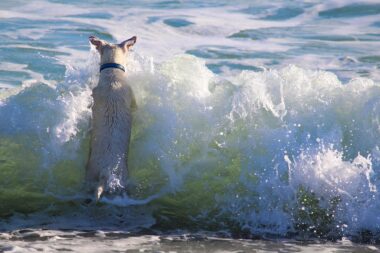
When camping, choosing the right outdoor activities for your dog is crucial for an enjoyable trip. Dogs thrive on physical and mental stimulus, leading to a happier and healthier pup. Hiking trails are a great way to explore nature together; look for trails that are suitable for your dog’s endurance level. Gradually increase the length and difficulty of hikes to adapt your dog, ensuring comfort and safety at all times. For water-loving dogs, swimming can be a welcome break. Lakes, rivers, or pet-friendly beaches offer plenty of opportunities for splashing around. Bring along a ball or floating toy to keep the fun going. If you plan to stay near your campsite, set up some playtime with games like fetch or tug-of-war. These activities not only build your bond but also tire out your dog, leading to a more peaceful evening. Remember that after strenuous activities, hydration is essential; always have fresh water available for them. Planning these activities ensures your dog remains engaged and has a fantastic camping experience that meets their exercise needs.
Understanding the surroundings is critical during your camping trip with a dog. Various factors, such as weather conditions, insects, and wildlife, can impact your dog’s safety and enjoyment. Check the forecast before departure; prepare for rain or heat to ensure your dog remains comfortable. Moreover, pests like ticks, fleas, and mosquitoes can pose risks, so applying pet-safe insect repellent can prevent these issues. Familiarize yourself with local wildlife, as certain creatures, like bears or snakes, can be harmful. Always supervise your dog while exploring to avoid encounters with wildlife. Use a leash in heavily wooded areas where wildlife might be present. When interacting with other campers, ensure your dog is well-mannered and socialized to prevent any conflicts. Camping etiquette extends to your responsibility as an owner; always clean up after your dog to maintain the campsite’s cleanliness. This consideration helps others enjoy their experiences while promoting a dog-friendly atmosphere. Taking these precautions ensures safety, enjoyment, and respect for nature and fellow campers throughout your outdoor adventure with your dog.
Health and Safety Considerations
Keeping your dog healthy and safe while camping involves several essential considerations. First, ensure your dog is up-to-date on vaccinations and flea and tick prevention. This is especially crucial when venturing into unfamiliar outdoor environments. Additionally, it’s wise to consult your veterinarian for specific advice on the best practices based on your dog’s age, breed, and health conditions. Always pack a first-aid kit that includes bandages, antiseptic wipes, and any medications your dog requires. Familiarize yourself with common signs of overheating or dehydration, particularly in warmer climates. Providing ample shade and fresh water is vital during outdoor adventures. Nutrition is equally important; maintain your dog’s regular feeding schedule even when camping, to avoid digestive issues. For those traveling with puppies or senior dogs, extra precautions are essential. Be mindful of their limitations and adjust your activities to match their energy levels. Lastly, consider bringing along dog-friendly snacks or treats to reward their good behavior. By taking these health and safety precautions, you enhance your camping experience and ensure that your dog remains happy and healthy throughout your trip.
As your camping trip concludes, take a moment to reflect on the experience. Capture cherished memories by snapping photos of your dog enjoying the great outdoors. These pictures serve as reminders of the bond you built during your adventures. Review any challenges faced during the trip and plan for improvements in future outings. For example, if your dog struggled with certain activities, reassess potential solutions together. Encourage other dog owners to share their experiences as well, fostering a community of outdoor-loving pet owners. After returning home, care for your dog by checking for ticks or irritations, providing them with a soothing bath, and resting from their adventures. Maintaining a healthy routine following the trip helps keep your dog in excellent condition and helps transition them back to everyday life smoothly. Camping with your dog allows for quality bonding time while making unforgettable memories. As you plan your next trip, remember the importance of preparation, engagement, and health for a successful outdoor experience. Every adventure fosters a deeper connection with your dog and ensures future outings are even more enjoyable, safe, and unforgettable.
Furthermore, share your camping experiences with friends or family, encouraging them to bring along their dogs. Organizing group outings can enhance the sense of community and create a shared adventure for everyone involved. Consider creating a hiking group or a puppy playdate schedule once home, fostering continued exercise and socialization beyond just camping. You might even start a blog or social media account dedicated to your adventures, inspiring others to explore the joys of camping with their dogs. Offering advice or tips might motivate first-time campers to try camping with their furry companions. Always strive to leave a positive impact on the camping community. Remind fellow campers the importance of respecting nature and other campers when enjoying the outdoors. By sharing valuable insights and experiences, you can contribute to a supportive environment for dog lovers and ensure everyone’s safety and enjoyment. Adventures with your dog can facilitate lifelong memories and friendships, strengthening community connections. By planning responsible visits to outdoor spaces, you enhance experiences for both yourself and other pet owners. Ultimately, camping brings joy, health, and connection to both you and your canine friend, making it a rewarding activity for all involved.