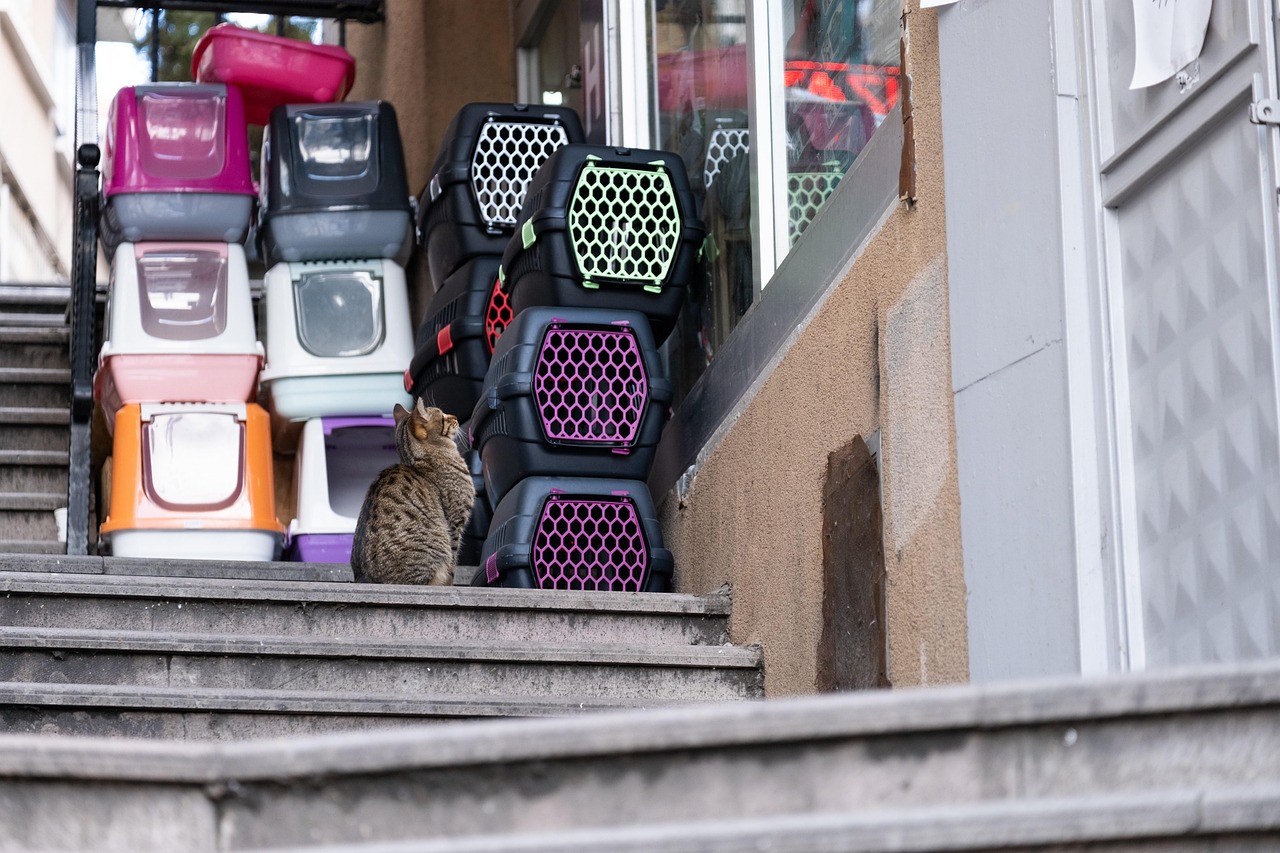

How to Transition Your Cat to a New Litter Box
Transitioning your cat to a new litter box can be a daunting task, but with the right approach, it can be a smooth process. The first step is ensuring that the new litter box is appealing to your cat. Choose a box that is the right size and depth for your cat’s comfort. Before introducing the new box, it’s wise to place it in a quiet, accessible location. Cats prefer privacy when they do their business, so avoid high-traffic areas. It’s essential to keep the old litter box available initially. This will allow your cat to adjust and feel secure. Gradually, you can begin to reduce the use of the old box by placing it further away over a few days. When introducing the new litter, make sure to use a litter that resembles the old one. If your cat has a favorite, this could ease the transition. Sprinkle a little of the used litter in the new box to help them recognize it as a familiar place. Patience is crucial during this period, as cats may take time to accept changes.
Another tip is to attract your cat to the new litter box effectively. You can use treats or engage them in play nearby. Make the area surrounding the new box inviting. Sometimes, inserting a few toys or soft bedding around can enhance their interest. Cats are habitual creatures, and changing their environment may result in stress or anxiety. It’s crucial to monitor their behavior during the transition. If your cat begins to exhibit signs of distress or refuses to use the new box, try not to rush the process. Remember to maintain cleanliness; a dirty box can deter your cat from using it. Regularly scooping the litter and changing it completely can help ensure a pleasant experience. Moreover, avoid using strong-scented cleaning products that could chase your cat away. Consider using soft, unscented products. If you happen to encounter any accidents outside the box, clean them thoroughly with enzyme-based cleaners. This will eliminate any lingering odors that might encourage repeat incidents. With time, your cat will explore the new box while gaining confidence and comfort.
Encouraging Acceptance of the New Box
Another strategy for encouraging your cat to use the new litter box successfully involves positive reinforcement. Anytime your cat uses the new box, reward them with a treat or some gentle praise. This association can make your cat feel more comfortable and confident. If your cat spends time exploring the box, even if they don’t use it immediately, offer encouragement. Ensure the new box is set up correctly, as an improper setup can deter usage. The litter depth should be just right; if it’s too shallow or deep, your cat may avoid it. Sometimes, issues arise if a litter box is too challenging for your cat to enter, particularly for older cats. Additionally, consider the type of litter you use. Some cats prefer clumping litter, while others like non-clumping. Testing different types, while mixing in familiar scents, may help ease the transition. It’s crucial to be observant and discerning about your cat’s preferences. Understanding their individual needs not only aids in their comfort but fosters a positive relationship between you and your pet.
In some cases, implementing gradual changes may be beneficial when transitioning your cat. If you change both the box and the litter type, offer a sense of normalcy. This can include maintaining the old litter for at least a few days during the transition. You can then blend the old litter with the new, slowly increasing the amount of new litter over time. Gradually replacing the contents allows your cat to acclimatize to the revived scent and texture. Monitor how your cat responds to these changes closely. Consistency remains key throughout this transition period. It is advisable to provide ample opportunities for your cat to access the litter box, especially if you have multiple pets. Always ensure that each pet has their spot, without competition during this time. If you live in a multi-cat household, consider having multiple boxes. Additionally, be patient and avoid punishing your cat for accidents; this could create stress and lead to negative associations with the box. A gentle reminder of love and patience will encourage a positive experience.
Maintaining a Stress-Free Environment
Keep an eye on your cat’s habits and behaviors. Understanding their unique quirks will alert you to any issues or unhappiness. If you notice your cat acting withdrawn or excessively vocalizing, it may indicate discomfort regarding the new litter box setup. Creating a peaceful environment for your cat is essential during this transition. You can enhance their space with comfortable bedding, a cozy hideaway, or even catnip to encourage exploration of the new box. Reducing outside distractions or loud noises can also benefit your cat. A calm atmosphere helps relieve any anxiety related to the change. Furthermore, if you have recently moved or introduced a new pet, acknowledge this transition as an additional layer of stress. Maintaining positive routines can establish predictability and security. Feed your cat at the same times every day and ensure playtime remains consistent. This stability may alleviate stress as they adapt to changes surrounding them. By observing their behavior closely and recognizing patterns, you can tailor your approach and provide a supportive space to help your cat adjust smoothly to their new litter box.
Lastly, it is critical to persist with the training process even if difficulties arise. Some cats need more time than others to adapt. If persistent issues surface while transitioning to a new box, consulting a veterinarian is advisable. They may provide insights regarding your cat’s health or behavioral issues. In some cases, anxiety or stress could point to underlying health problems. Understanding your cat’s behavior is the key to troubleshooting concerns. If your cat repeatedly avoids the new box, reconsider its location, the type of litter used, or the box’s height. Moreover, if your cat is declawed, ensure that they have an easily accessible box. The right choice for your household will depend on each unique feline’s personality. Incorporating various strategies can help finalize a successful transition. By observing and adjusting to your pet’s needs, you will foster a positive environment that encourages using the new litter box. After all this, remember that each cat is different, and understanding them is crucial for a smooth transition. This way, you can ensure your home remains a happy place for both you and your feline friend.
Conclusion
In conclusion, transitioning your cat to a new litter box requires patience, observation, and a nurturing environment. Following these essential tips, you can create a seamless transition experience for your feline companion. Remember, first impressions matter for your cat. If they don’t feel comfortable with their new litter box, they may resist using it. Always stay attentive to their preferences and anxieties, as this can help you customize the change process. You can also explore different litter options to discover what suits them best. Keeping your old litter box available during the transition can quell anxieties while fostering familiarity in your cat’s environment. Celebrate small victories when your cat begins using the new box. Address any accidents using gentle cleaning methods and ensure your pet remains stress-free. This process can take time and dedication but will pay off as your cat learns to feel safe and at ease with the new setup. By promoting positive associations, your cat will establish a new, happy space in which they can comfortably attend to their needs.
By creating a nurturing atmosphere during the transition, you reinforce a loving bond with your feline friend. Remember, maintaining cleanliness and comfort is pivotal throughout this process. Ensure you have the right box, the right litter, and a loving approach to help your cat adapt. With time, love, and care, your pet will soon find solace in their new litter box.