
The Impact of Group Training on Dog Anxiety and Stress
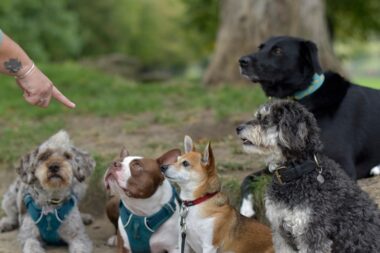
Group training sessions provide a unique environment where dogs interact with each other as well as their handlers. This setting often helps alleviate anxiety and stress in dogs. Social interaction is a fundamental aspect of their development and contributes significantly to behavioral adjustments. When dogs are allowed to engage with peers in a controlled setting, they learn social cues and how to respond to various situations. During these interactions, dogs can express their natural behaviors, which may reduce feelings of anxiety. Moreover, the presence of other dogs provides a distraction from environmental stressors, ultimately helping dogs to better cope with anxiety. Group training sessions create an energetic atmosphere that encourages dogs to bond with one another while learning essential commands. Handlers observe their dogs closely, fostering a supportive relationship that promotes trust. Regular participation in these sessions can also lead to a reduction in behavioral problems, as dogs learn to navigate their social world. Ultimately, group training serves as both a training method and a therapeutic approach for dogs battling anxiety.
Group sessions often employ various training techniques designed to enhance social skills among dogs. One popular method is positive reinforcement, which rewards desirable behavior with treats or praise. This approach not only motivates dogs during training but also reinforces positive interactions with fellow canines. Dogs learn that engagement with other animals results in rewards, which encourages friendly behavior rather than fear-based responses. Similarly, handlers can track advancements in social skills over time and adjust training strategies accordingly. Group training also allows owners to meet other dog owners facing similar challenges, fostering a sense of community. This support network can be invaluable in managing a dog’s anxiety. Many trainers incorporate games and activities that require collaboration among the dogs, further promoting healthy interactions. An enjoyable training environment reduces stress not only for the dogs but also their human counterparts. Participants frequently report feeling a sense of camaraderie and shared experiences, which translates into a more relaxed demeanor during training. As a result, dogs may mirror their owner’s relaxed attitude, further enhancing their learning experience. Implementing group training sessions showcases the significant role socialization plays in managing dog anxiety.
One important aspect to consider during group training is the individual personality of each dog. Not all dogs respond in the same way to group dynamics; some might find the stimulation overwhelming. For such dogs, trainers often recommend starting with smaller groups or quieter sessions to gradually acclimate them to a more active environment. This tailored approach allows dogs to build confidence and develop their social skills at a comfortable pace. Additionally, observing their peers can offer instructional opportunities for dogs that may be hesitant. It is crucial for handlers to monitor their dog’s behavior closely and intervene if stress indicators appear. These may include excessive barking, retreating, or other signs of discomfort. By recognizing these signs early on, handlers can prevent negative associations with the group experience. Trainers can also offer tips for managing stress during sessions, such as shared relaxation techniques or break intervals. This individualized approach ensures that all dogs have a positive experience, ultimately enhancing the benefits of group training. Creating an inclusive atmosphere that respects each dog’s needs leads to better outcomes in handling anxiety and stress effectively.
Building Confidence Through Group Activities
Group training provides an excellent opportunity for building confidence in dogs with anxiety issues. Engaging in training within a group setting naturally encourages dogs to step outside of their comfort zones. As they interact with other dogs and their owners, they can develop trust in their environment and fellow canines. Activities designed for group training often involve overcoming small challenges, which can empower dogs to build their self-esteem. For instance, obstacles or various commands can become playful tasks, resulting in a sense of accomplishment for the dogs. Additionally, exposure to diverse dog breeds enhances their adaptability to different behavioral patterns, further enriching their socialization. Handlers play a significant role in this process by providing encouragement and praise while their pets navigate these situations. This bonding experience not only helps in alleviating anxiety but also strengthens the owner-dog relationship. The emotional bond fostered during these sessions can transcend into daily life, improving overall behavior. Over time, consistently participating in group activities helps dogs develop resilience and adaptability, equipping them to handle future stress or anxiety more effectively.
Moreover, group training introduces important commands and communication cues that are crucial for reducing stress in dogs. Commands such as “stay,” “leave it,” and “come” can be pivotal in managing anxiety-provoking situations. By mastering these commands, dogs gain clarity and direction, which helps them feel secure in various environments. Trainers often facilitate exercises demonstrating these commands in conjunction with activities involving distractions from other dogs and noises. This exposure allows dogs to practice remaining calm in potentially stressful scenarios. Furthermore, the social dynamics in group classes can bring out typical dog behaviors, offering an opportunity for trainers to address any negative responses immediately. The supportive environment creates a culture where dogs can learn from each other, reinforcing positive behaviors and interactions. Trainers may also offer tips to owners about hierarchies or canine body language, improving their understanding of their dog’s behaviors. When owners gain insights into their pets’ communication styles and triggers, it supports better management strategies for handling anxiety. Ultimately, mastering commands in a group setting prepares dogs for social situations while reducing stress.
In addition to behavioral improvements, dogs that participate in group training generate more positive associations with their peers. Socializing with other dogs in a structured and positive environment teaches dogs that play and interaction can be rewarding experiences. This exposure helps diminish fears that may have arisen in past encounters, allowing for gradual behavioral corrections. During training, handlers often employ games that encourage interaction while reinforcing commands simultaneously. These activities promote healthy play behavior and interactively teach social boundaries. As dogs engage in these exercises, they become more adept at recognizing social cues and the dynamics of canine interactions. The excitement generated in these sessions can dispel any residual anxiety as dogs learn to anticipate enjoyable interactions. Over time, this leads to improved social skills and reduces instances of fear-based reactions. Furthermore, dogs gaining confidence tend to exhibit less separation anxiety when left alone. Group training sessions thus serve as a dual pathway, promoting both social skills and emotional resilience, ultimately transforming anxious dogs into more balanced companions.
Conclusion: Long-term Benefits of Group Training
In conclusion, group training proves to be an effective strategy for managing dog anxiety and stress. By facilitating positive interactions in a safe environment, group sessions allow dogs to flourish socially while reinforcing essential commands. The practice yields long-term benefits, giving dogs the tools they need to cope with a variety of situations. Handlers learn about their dogs’ behaviors while gaining practical training techniques that can be applied to everyday scenarios. The supportive atmosphere fosters community connections among dog owners, who often share valuable experiences and insights. Over time, these connections build a sense of belonging that can further alleviate handler stress, creating a positive feedback loop. Such relationships enhance the training experience and promote well-being not only in the dogs but also their owners. Additionally, these sessions improve dogs’ adaptability to novel experiences and challenges, equipping them to face a wider range of environments confidently. Ultimately, group training offers an enriching journey for both dogs and their owners, resulting in happier, healthier, and less anxious companions. Engaging in these activities cultivates a lifetime of benefits for all involved.