
Vitamin D and Its Impact on Your Cat’s Bone Health
Vitamin D plays a crucial role in maintaining your cat’s bone health, contributing to various biological processes. This vitamin aids in the proper absorption of calcium and phosphorus, two minerals essential for maintaining bone density and overall skeletal health. Without adequate levels of vitamin D, cats may face an increased risk of developing conditions such as osteoporosis and fractures. Unlike humans, cats primarily obtain vitamin D through their diet rather than sun exposure. The most effective dietary sources include fish oils, beef liver, and commercially prepared cat food that is fortified with this vital nutrient. It is crucial to ensure your cat’s intake meets their individual needs, which can vary based on age, weight, and health status. Remember that cats are obligate carnivores, meaning that their dietary requirements differ significantly from those of humans. As part of a balanced diet, adequate levels of vitamin D ensure optimal calcium absorption and promote stronger bones. Understanding how vitamin D affects your cat helps equip you to provide dietary options that enhance their health.
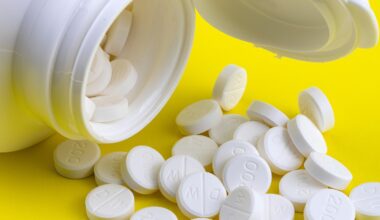
Another factor to consider when discussing vitamin D and bone health in cats is the role of supplements. While a balanced diet is typically sufficient for meeting a cat’s nutrient requirements, certain situations may warrant the use of supplements. For example, indoor cats that may not get sufficient sunlight exposure may require additional vitamin D to meet their needs. Supplementing a cat’s diet can also be beneficial in cases of chronic illness, where nutrient absorption may be impaired. However, it is vital to consult with a veterinarian before introducing any supplements. Over-supplementation of vitamin D can lead to toxicity, resulting in severe health issues. Signs of vitamin D toxicity may include vomiting, diarrhea, lethargy, and increased thirst. Regularly monitoring your cat’s health and modifying their diet accordingly ensures they receive the adequate nutrients necessary for optimal bone strength and maintenance. Additionally, always ensure that your cat’s supplement comes from a reputable source, ensuring that it meets safety standards. Understanding vitamin D’s role allows for informed decisions about your cat’s health.
Sources of Vitamin D for Cats
Cats require natural dietary sources of vitamin D to maintain bone health. As obligate carnivores, they primarily need nutrients that come from animal sources. Fish and organ meats are top choices for meeting your cat’s vitamin D needs. Fatty fish like salmon and sardines are excellent for supplementation, containing high levels of vitamin D. Additionally, beef liver and chicken liver are rich sources, providing a flavorful and nutritious option for your feline companion. However, commercial cat food is often formulated to meet these dietary requirements. Many manufacturers fortify their products with essential vitamins, including vitamin D, ensuring adequate intake for cats. When selecting cat food, pay close attention to the labels, verifying that the product contains essential nutrients. Be cautious with homemade diets, as they may lack essential vitamins unless specifically designed by professionals in animal nutrition. Including such commercial food products assures a complete dietary profile, crucial for sustaining long-term health. Ensuring that your cat receives adequate amounts of vitamin D through its diet is a vital aspect of promoting optimal health.
Furthermore, it’s important to consider the implications of outdoor exposure for a cat’s health. Outdoor cats may have more exposure to sunlight, which helps them synthesize vitamin D through their skin. Nevertheless, many cats, especially urban dwellers, might spend considerable time indoors. Even though outdoor cats might receive some sunlight, their primary source should still be fortified food. Moreover, owners must ensure that outdoor cats remain safe from potential dangers such as predators and vehicles while enjoying sunlight. If your cat enjoys a safe outdoor environment, they may experience additional benefits, including mental stimulation and physical activity, contributing to their overall well-being. Even so, always prioritize balanced nutrition over direct sun exposure alone. A holistic approach encompassing diet, environment, and healthcare can allow for the best possible outcomes for your feline friend. Monitoring your cat’s activeness, dietary habits, and overall health will enable you to best adapt their lifestyle to promote optimal vitamin D levels, offering them a life full of vitality and comfort.
Vitamin D Deficiency Signs in Cats
Recognizing the signs of vitamin D deficiency in your cat is vital for timely intervention. Some common symptoms include reduced energy levels, weakness, and reluctance to engage in physical activities. Cats might also experience bone pain, which could manifest as limping or difficulty in jumping. Additionally, behavioral changes may occur; for instance, your cat may become more irritable or withdrawn. Digestive issues, such as loss of appetite, vomiting, or diarrhea, can also point to underlying deficiencies. Routine veterinary check-ups may identify such deficiencies through blood tests and health assessments. Early identification of these issues can be crucial in preventing further health complications. If you observe these symptoms, it’s imperative to consult a veterinarian for a professional evaluation of your cat’s health. Your veterinarian can help you determine if vitamin D levels are deficient and guide you in taking appropriate measures to correct the issue. Incorporating regular health screenings allows owners to catch deficiencies early, ensuring that cats continue to thrive and maintain optimal bone health as they age. Every measure counts in caring for your beloved companion.
In conclusion, a comprehensive understanding of vitamin D’s role in your cat’s bone health is essential for pet owners. Maintaining a sufficient level of vitamin D promotes not just strong bones, but also overall well-being. By ensuring your cat receives a well-rounded diet, rich in necessary vitamins and minerals, you can foster optimal health. Whether through high-quality commercial food or certain natural supplements, providing adequate nutrition is paramount. Keeping track of their dietary intake and health conditions ensures you address any needed supplements or dietary changes promptly. Furthermore, awareness of the signs indicating deficiencies helps facilitate quick action, leading to healthier outcomes. Regular veterinary visits play a pivotal role in monitoring your cat’s health, providing personalized advice for maintaining nutrient balance. Always consider the specifics of your cat’s lifestyle, as age and environment can influence their nutritional needs. Every cat is unique, and understanding their dietary necessities allows owners to make informed and compassionate decisions. Devoting time to plan their nutrition will yield lifelong benefits, helping keep cats vibrant, active, and happy throughout their lives.
Additionally, consider the impact of emotional support and care in managing your cat’s health effectively. A healthy bond with your cat not only improves their mental state but also can have a profound impact on their physical health. Engaging your cat in play, providing a stimulating environment, and paying attention to their dietary needs profoundly influences their general welfare. Stress can also significantly impact a cat’s health, even to the extent of altering their ability to absorb essential nutrients. Thus, a happy and comfortable environment contributes to a better nutritional uptake. Alongside a proper diet focused on adequate vitamin D levels, nurturing the emotional needs of your feline companion promotes overall well-being. Understanding the connection between caregiving and nutrition reinforces the importance of addressing your cat’s holistic needs. By cultivating a joyful atmosphere, cat owners can enrich their pets’ lives while simultaneously supporting their physical health. Regular playtime and expertise in choosing nutritious food can lead to healthier, happier cats. In your quest for optimal health for your feline companion, don’t underestimate the power of love and attention as part of a comprehensive approach.
The Future of Cat Nutrition
In conclusion, the future of cat nutrition looks promising with increasing advancements in understanding pet dietary needs. As evidence grows supporting the role of specific vitamins in preventing health disorders, manufacturers are continuously improving formulations to better serve our beloved pets. Trends suggest a shift towards natural ingredients and transparency in food labeling, allowing pet owners to make well-informed choices. These developments indicate a growing awareness of feline health requirements and a commitment to enhancing the quality of life for cats worldwide. As we invest in high-quality nutrition, we pave the way for healthier, longer-living feline companions. A focus on vital vitamins, including vitamin D, ensures that cats receive balanced diets tailored to their specific needs. Staying updated on nutrition research enables cat owners to adjust feeding practices in alignment with emerging evidence. Engaging in continued education fosters an active dialogue between manufacturers and pet owners, promoting better health outcomes for felines across various lifestyles. Consider the trends in cat dietary needs as you make future decisions about your pet’s nutrition. Embracing advancements in feline health ensures every cat can thrive.