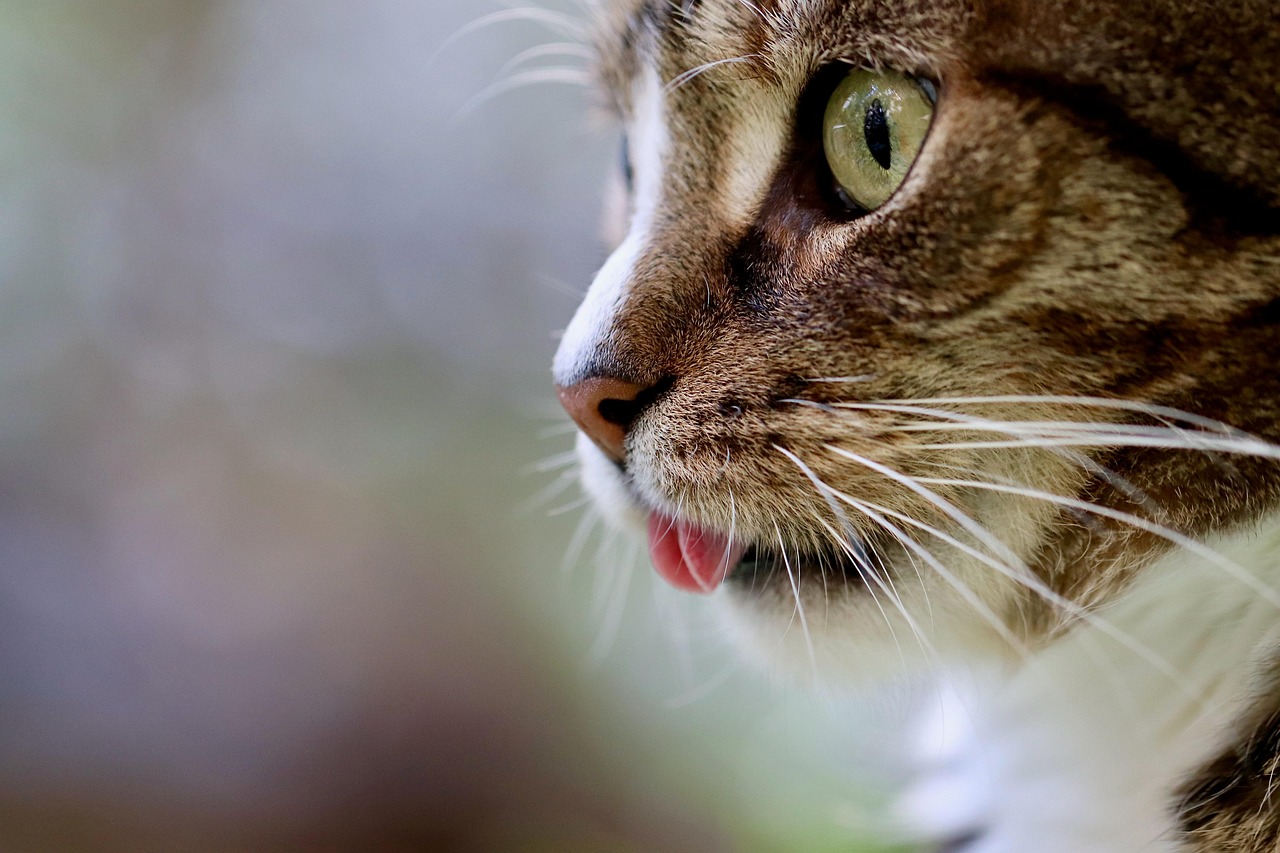

Monitoring Your Adopted Cat’s Health and Wellness at Home
Adopting a cat is a rewarding experience, but it comes with the responsibility of ensuring their health and wellness. Understanding how to monitor your adopted cat’s health effectively is essential. A regular routine can help you identify any potential health issues early. Establishing a familiar environment is critical for your cat. Begin by creating a comfortable space equipped with necessities like food, water, and a litter box. Also, introduce them to various areas gradually. Observe their behavior closely during this transition. Signs of distress or reluctance can indicate that your cat is adjusting. Pay attention to their eating habits; changes in appetite are often early indicators of health issues, whether it’s eating less or more than usual. Regularly check for signs of illness like changes in energy levels or grooming habits. Take notes on your cat’s behavior, weight, and general disposition, as this will aid in tracking their overall wellbeing. If any irregularities arise, don’t hesitate to seek advice from a veterinarian. Maintaining an open line of communication keeps both you and your furry friend happy and healthy.
Regular Veterinary Checkups are Essential
One of the most effective means to monitor your adopted cat’s health is through regular veterinary checkups. Cats should generally visit the vet at least once a year for a thorough examination. During these visits, vital check-ups like vaccinations, parasite prevention, and dental assessments take place. The veterinarian can also provide invaluable advice tailored to your cat’s specific health needs. This might include discussing proper diet, exercise, and behavioral assessments. Keep track of any changes in your cat’s health by maintaining a written record of veterinary visits, medications prescribed, and vaccinations administered. Furthermore, it’s a good idea to ask the vet about specific signs to watch for that may indicate health issues in your particular breed. Taking your adopted cat for regular veterinary visits helps detect issues early, often before symptoms are noticeable. These proactive measures can save you time and money in the long run while ensuring your cat remains healthy and happy. Ensure your cat is comfortable during vet visits by using carriers they are familiar with; this reduces stress for both the cat and you.
Nutrition and Diet Monitoring
Nutrition plays a crucial role in your cat’s overall health and wellness. When you bring your adopted cat home, understanding their specific dietary needs should be a priority. Consult with your vet to determine the nutrients required based on factors such as age, weight, and activity level. High-quality commercial cat food varieties often include balanced protein, vitamins, and minerals essential for healthy growth. Monitor their food intake to ensure they are not overeating or undereating. Keep a record of their weight and body condition score; fluctuations may signal health concerns. Moreover, introducing any dietary changes should be gradual to avoid gastrointestinal discomfort. Cat treats should be given in moderation and should not replace meals. Hydration is just as vital; always provide fresh, clean water to encourage hydration. You can encourage your cat to drink more by offering wet food or even a pet water fountain. Remember, every cat is unique, so develop a tailored feeding plan that addresses their particular lifestyle and health needs over time.
Behavioral Observations
Monitoring your cat’s behavior is essential in securing their overall health. Behavioral changes often serve as warning signs for underlying health issues. Pay close attention to their shining eyes, and lively spirit, and look for signs of lethargy or reduced activity levels. Changes in litter box habits can also signify issues; both diarrhea and constipation require immediate attention. Moreover, grooming habits are a reflection of health—cats that stop grooming or change their grooming habits could be unwell. Consider keeping a daily journal noting your cat’s behavior, preferences, and routines. This can assist in detecting any anomalies over time. Regularly engaging in playtime can also boost your cat’s mental and physical health. Cats love interactive toys that stimulate their hunting instincts. You might introduce scratching posts or climbing towers to encourage exercise. Behavioral engagement can help alleviate stress and anxiety, improving overall contentment. If you see persistent behavioral issues, such as aggression or withdrawal, consult a veterinarian to rule out any health problems or address behavioral concerns.
Dental Care: An Overlooked Aspect
Oral health is just as important for your adopted cat’s longevity and quality of life. Many pet owners overlook their cat’s dental care, yet it is crucial. Dental disease can lead to other severe health issues affecting the heart, liver, and kidneys. Begin by introducing dental hygiene early on; consider providing dental treats or toys designed to promote healthy teeth and gums. Regularly inspect your cat’s mouth for signs of decay or inflammation. If any scores or unusual odors are detected, consult your veterinarian. Professional dental cleanings may be necessary from time to time; your veterinarian will assess your cat’s specific needs. In addition to cleanings, educate yourself on proper brushing techniques; this can have significant long-term effects on your cat’s oral health. Incorporating dental health into their routine doesn’t have to be a challenge. The right tools and techniques can make a noticeable difference. Ensure your cat is acclimated slowly to these dental routines to create a stress-free experience that enhances their overall wellness and quality of life.
Keeping Mental Stimulation Alive
Keeping your adopted cat mentally stimulated is essential for their overall happiness and health. Provide a variety of toys that require engagement, such as puzzle feeders or interactive toys that challenge their thinking. Rotating toys regularly keeps your cat intrigued and prevents boredom. Additionally, some cats enjoy watching the world outside; placing a perch by the window can provide endless entertainment. You might even consider building an outdoor catio to allow safe exploration of the outdoors. Utilizing scent trails made from catnip or enticing treats can keep your cat busy and activate their natural hunting instincts. Create a schedule that incorporates playtime throughout the week. Engaging with your cat regularly not only strengthens your bond but also promotes physical and mental regulations. If you have multiple pets, ensure there is enough space and resources to accommodate everyone, reducing stress and potential conflict. A happy environment contributes to a positive demeanor, which reflects your cat’s mental health. Cat enrichment practices ensure your beloved pet remains engaged and fulfilled in their new home.
Conclusion: Healthy Happy Cats
Monitoring your adopted cat’s health and wellness is an ongoing responsibility that requires attention and care. From establishing a comfortable home to regular veterinary checkups, each element plays a crucial role. Be proactive in observing your cat’s behavior and habits, noting any changes that could indicate a health concern. Good nutrition is foundational; know your cat’s dietary needs and ensure they stay well-hydrated. Don’t overlook the importance of dental care, as oral health impacts overall well-being. Engagement through play and mental stimulation not only keeps your cat happy but also reduces stress. Each small effort you make contributes significantly to your cat’s quality of life. As a dedicated pet owner, your love and attention will provide the stability your new family member needs. Always consult your veterinarian when in doubt to ensure that your adopted cat remains healthy. Lastly, remember that a healthy cat is a happy cat, and your proactive monitoring will enhance their life for years. Enjoy your journey together and cherish each moment spent with your adopted feline companion.
This is another example of a paragraph containing 190 words that touches on a different subject related to the main theme.