
The Impact of Volunteering on Dog Adoption Rates
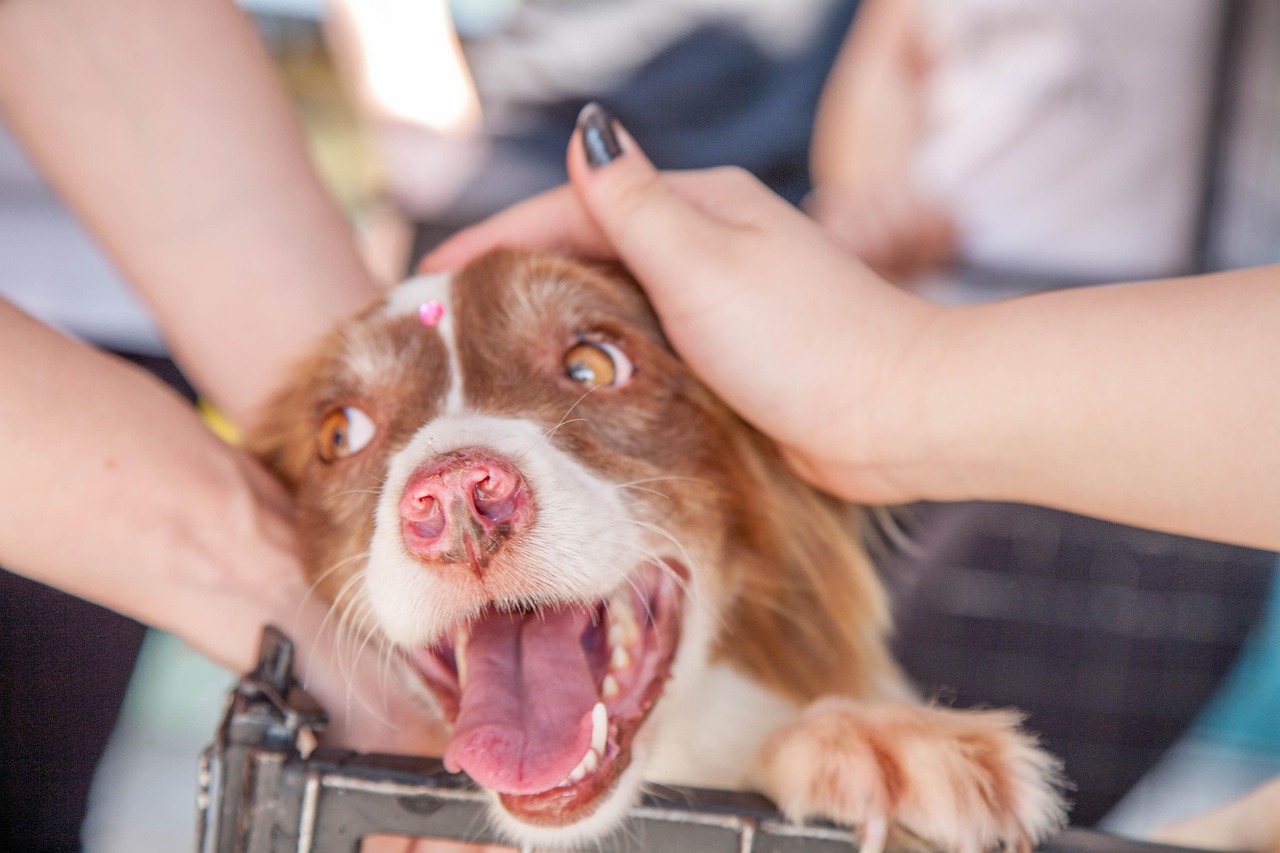
Volunteering plays a crucial role in enhancing dog adoption rates by fostering a sense of community engagement. Individuals who volunteer not only gain practical experience with animals but also contribute to a wider mission of finding homes for dogs in need. Through fostering connections within the local community, these volunteers encourage others to consider adopting pets. This is essential in reducing the number of dogs in shelters, prompting active community involvement in adoption events. Furthermore, volunteers can engage in activities such as organizing events, fundraising, and marketing campaigns to raise awareness about the benefits of pet adoption. They provide essential support that keeps shelters operational. As volunteers share stories of their experiences, they become effective ambassadors, spreading positive messages about adoption. This humanizes the process, transforming perceptions and inspiring potential adopters to take action. Community-driven efforts through volunteering amplify the visibility of these dogs, showcasing not just their need for homes but also their affectionate nature. Each interaction between volunteers and dogs highlights the unique bond that can exist through adoption, fostering greater consideration among the public. Ultimately, volunteering creates a ripple effect, influencing widespread positive change in dog adoption rates.
Moreover, volunteer opportunities within dog adoption organizations often extend to educational programs that promote responsible pet ownership. These initiatives are crucial to addressing common misconceptions surrounding dog adoption. Educational outreach can include workshops or information sessions aimed at potential adopters. By providing information on the responsibilities involved with dog ownership, volunteers help ensure matches between adopters and pets are suitable and long-lasting. Consequently, these programs decrease the likelihood of dogs being returned to shelters. Conversely, volunteers serve as mentors for new adopters, guiding them through the adaptation process. This mentorship stabilizes adoptions by offering ongoing support, which is vital for new pet owners navigating the challenges of integrating a dog into their homes. Volunteering also fosters a culture of care for pets in shelters. When volunteers actively participate in the care of these animals, they create a positive environment that boosts appeal. As dogs receive more attention and socialization, soon they demonstrate better behavior and demeanor, improving their chances of adoption. Ultimately, the synergy between volunteering, education, and fostering an inviting atmosphere significantly enhances adoption rates across communities.
The Role of Social Media
Another significant aspect of volunteering in dog adoption revolves around leveraging social media platforms. Volunteers often share compelling stories and images of adoptable dogs through various social channels. This effort is crucial in reaching a broader audience than traditional methods might allow. With the increasing usage of platforms such as Facebook, Instagram, and Twitter, adopting a dog has become more accessible to many. Volunteers curate heartfelt posts that highlight the personalities and quirks of these dogs, encouraging potential adopters to consider them as their future pets. Engagement on these platforms generates interest and conversations around adoption, linking like-minded individuals passionate about animal welfare. Volunteers can also initiate fundraising campaigns through social media, garnering essential funds for shelter care and adoption programs. This visibility not only raises funds but also inspires people to get involved directly, whether through volunteering or adopting. An influx of online interactions creates a buzz that draws more attention to the cause, amplifying the message of dog adoption. In essence, the digital landscape enhanced by volunteer contributions is becoming a pivotal space for increasing adoption rates and fostering connections.
Furthermore, volunteering can improve the mental and emotional well-being of individuals involved in dog adoption initiatives. Engaging with dogs fosters joy and connection, significantly benefiting mental health. Volunteers often report feelings of happiness and fulfillment as they contribute to meaningful work. This emotional aspect not only supports volunteers but also ensures that dogs receive consistent care and companionship. Furthermore, volunteers can reduce the stress levels of dogs during their stay in shelters, helping mitigate anxiety. When dogs feel secure and loved, their behavior improves, making them more appealing candidates for adoption. Volunteers often form profound bonds with the dogs they care for, further underscoring the importance of volunteerism. Through walking dogs, playing with them, or simply spending time together, volunteers create positive experiences that reflect in the dogs’ demeanor. These interactions make a compelling case for adoption, showcasing the potential for a loving forever home. Ultimately, the process is a win-win scenario, where both dogs and volunteers experience upliftment, paving the way for increased success in dog adoptions.
Collaboration with Local Businesses
A noteworthy avenue for enhancing dog adoption through volunteering involves collaboration with local businesses. Each partnership can significantly boost adoption efforts by organizing events, such as adoption fairs or fundraising drives. Local businesses often have resources that volunteers can utilize to amplify their reach. Whether through venue space for events or donations of goods and services, the collaboration creates opportunities to promote the cause further. Volunteers can work with businesses to host pet-friendly events, drawing in community members who may be interested in adopting. Exposure from such initiatives raises awareness of the urgent need to find forever homes for dogs. Moreover, volunteers act as advocates for the benefits of adopting over purchasing pets from breeders. This advocacy helps build a culture of compassion towards homeless pets in the community. With more businesses supporting the cause, they demonstrate social responsibility, encouraging employees to volunteer as well. This cooperative effort enhances networking opportunities, allowing volunteers to create lasting relationships with local stakeholders. Such collaborations not only elevate the profile of adoption initiatives but contribute positively to the overall well-being of the community.
Additionally, volunteering creates unique networking opportunities that enable dog adoption organizations to flourish. Volunteers are often connected to various communities and can introduce shelter animals to different segments of society. This increased visibility often leads to potential adopters who may not have considered adopting before. Networking events organized by volunteers can include meetups, workshops, or educational seminars focused on dog adoption. These platforms serve as effective channels to spread the word about available dogs and their individual stories. Volunteer-driven initiatives encourage storytelling, which brings the dogs’ journeys to life. Encouraging word-of-mouth sharing amongst networks proves instrumental in motivating families to adopt. As testimonials about positive experiences spread, the stigma often associated with shelter dogs diminishes. This change in perception allows potential adopters to feel more comfortable and excited about the prospect of adopting. Moreover, recurring networking opportunities can lead to ongoing engagement, ensuring that the community remains involved in dog adoption efforts over time. The ripple effects of increased visibility foster a healthier cycle of adopting pets and promoting volunteer involvement.
Conclusion
In conclusion, volunteer opportunities in dog adoption play an essential role in enhancing adoption rates and fostering a connected community. By engaging with local organizations, volunteers enable transformations in perceptions about shelter dogs. Their efforts culminate in increased visibility and awareness about the significant impact of adoption. Whether through educational initiatives or social media, every effort made by volunteers contributes to a brighter future for dogs seeking homes. Their emotional involvement further deepens the bonds formed between humans and animals, advocating for responsible pet ownership. Collaboration with local businesses amplifies these initiatives, creating a coalition that champions the cause of dog adoption. Networking opportunities foster relationships that ensure continued support for these vital organizations. By volunteering, individuals not only change the course of a dog’s life but also enrich their own through meaningful connections. Ultimately, the journey toward higher adoption rates is a collective effort driven by compassion and community spirit. As volunteers share stories and encourage others, they solidify the message of choosing adoption. In closing, volunteering is an impactful, transformative process that ensures the well-being of dogs and creates lasting change within communities.
Volunteering plays a crucial role in enhancing dog adoption rates by fostering a sense of community engagement. Individuals who volunteer not only gain practical experience with animals but also contribute to a wider mission of finding homes for dogs in need. Through fostering connections within the local community, these volunteers encourage others to consider adopting pets. This is essential in reducing the number of dogs in shelters, prompting active community involvement in adoption events. Furthermore, volunteers can engage in activities such as organizing events, fundraising, and marketing campaigns to raise awareness about the benefits of pet adoption. They provide essential support that keeps shelters operational. As volunteers share stories of their experiences, they become effective ambassadors, spreading positive messages about adoption. This humanizes the process, transforming perceptions and inspiring potential adopters to take action. Community-driven efforts through volunteering amplify the visibility of these dogs, showcasing not just their need for homes but also their affectionate nature. Each interaction between volunteers and dogs highlights the unique bond that can exist through adoption, fostering greater consideration among the public. Ultimately, volunteering creates a ripple effect, influencing widespread positive change in dog adoption rates.