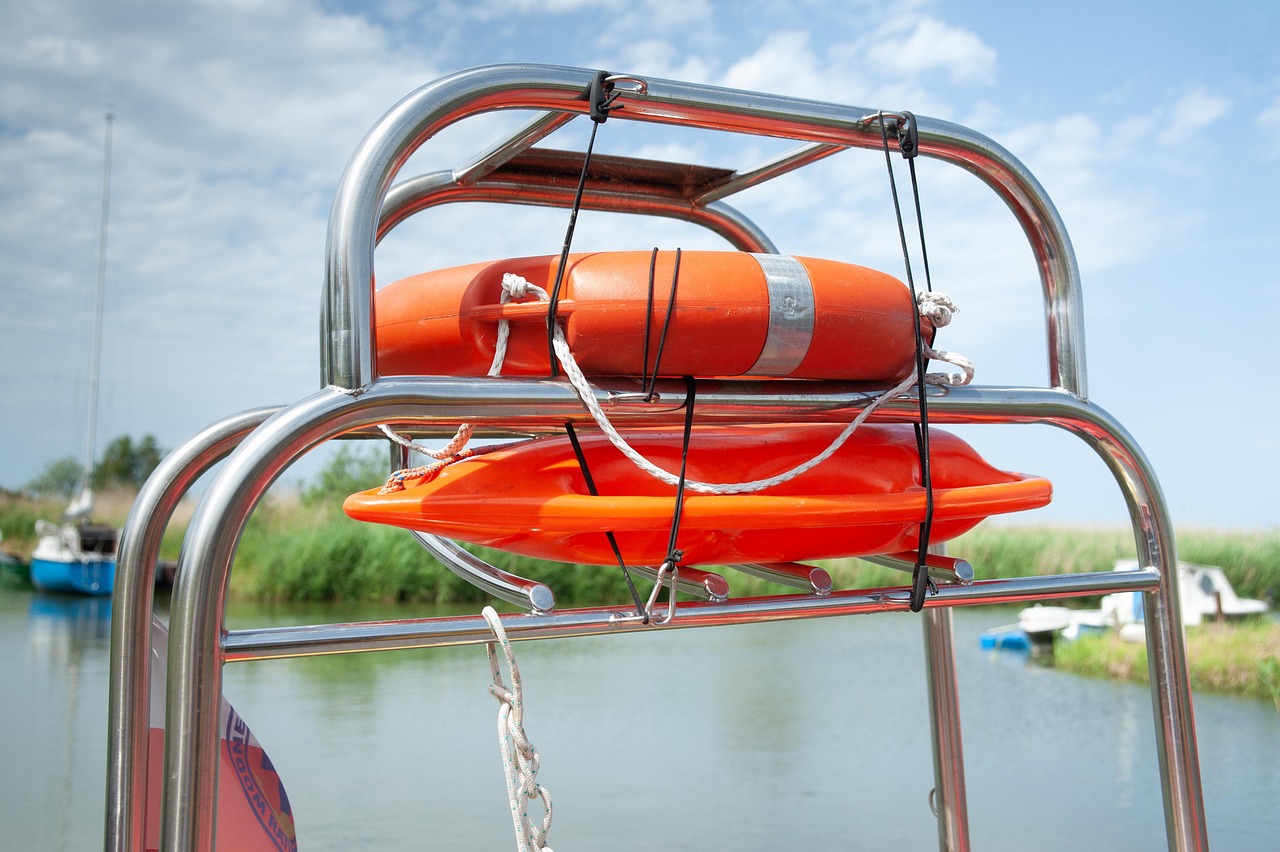

Using a Lifesaving Floatation Device for Dogs
Ensuring the safety of your dog during water-related activities is paramount, particularly when emergencies arise. A floatation device serves as a vital tool in preventing drowning and other water-related accidents. These devices, which typically come in various sizes and styles, provide crucial buoyancy and safety to pets when swimming or if they accidentally fall into water. Properly fitted floatation devices help keep your dog’s head above water, allowing them to breathe easily while they paddle back to safety. Additionally, many of these devices come equipped with handles, which assist owners in quickly grabbing their dogs during an emergency. Selecting the appropriate floatation device is essential, and it should offer a snug fit while allowing sufficient movement to swim. As a dog owner, practicing water safety and preparedness can lead to safer adventures with your furry friend. Floatation devices are an essential part of a comprehensive safety plan for enjoying time around pools, lakes, or oceans. Regular training and conditioning can help your dog feel more comfortable wearing these devices, making water activities fun and safe for everyone.
Before venturing into water-related activities, it is imperative to familiarize your dog with a floatation device. Introducing your dog to the vest in a calm and controlled environment fosters a positive association. Start by allowing your dog to sniff and explore the device before attempting to fit it on them. Once your dog appears comfortable, gently secure the vest and reward them with treats and praise to reinforce positive behavior. It may also be useful to allow your pet to wear the floatation device indoors or in the yard before heading to the water. Practice swimming with your dog while wearing the device can help build confidence and familiarity. This approach minimizes stress during actual water emergencies and enhances the overall experience for your dog. Dogs with prior exposure to floatation devices are more likely to accept them when needed. Establishing a bond of trust between you and your dog during this training ensures they listen to your commands when in water. Always supervise your dog while they swim, even when they are wearing a floatation vest. Building comfort and experience with these devices can safeguard your dog’s life.
Choosing the Right Floatation Device
When selecting a floatation device for your dog, several factors should be considered to ensure adequate safety and comfort. First, the size and weight of your dog are crucial to selecting a device that will fit properly. Each floatation vest has a designated weight range, and choosing one outside that range may compromise its effectiveness. Look for adjustable straps that enhance fit and ensure security. Generally, a well-fitted floatation vest allows for movement while preventing slips or accidents. Next, examine the construction of the vest. Opt for durable, high-quality materials that resist wear and tear, particularly in saltwater or rough conditions. Many floatation devices include identifiable colors and reflective strips for visibility. In emergency situations, it can be crucial to quickly locate your dog in the water. Lastly, consider any additional features, such as handles, which facilitate easy retrieval and safety during rescues. The right floatation device can provide peace of mind and support your dog’s safety during water-related activities, enabling enjoyable experiences for both of you. Selecting a suitable vest is a thoughtful safety decision that can save lives.
While using a floatation device is crucial, it is equally important to understand essential rescue techniques during water emergencies involving dogs. Dogs, like humans, experience panic when they find themselves in distressful situations. Knowing how to respond can make a significant difference in an emergency scenario. First, remain calm yourself, as your demeanor sets the tone for your pet’s reaction. Speak reassuringly to your dog while you approach them to avoid adding to their anxiety. Ensure your own safety by remaining on solid ground whenever possible before making any attempts to rescue them. Use a sturdy branch, a float, or any other item to reach your dog if they are struggling in the water. If you opt to swim to reach your dog, maintain a direct line while avoiding excessive splashing, as excessive movement can cause panic. Once within reach, use the grab handle on the floatation device, avoiding the collar, which may choke your dog. Bringing them close to shore will help them feel safe and secure while detangling them from the situation. Always seek professional help if your dog experiences distressing symptoms after a water rescue.
Training for Water Emergencies
Incorporating training techniques into your dog’s routine ensures they are prepared for potential water emergencies. Developing essential skills enhances your dog’s comfort and ability in swimming, making them more competent swimmers. Start with basic swimming lessons in a controlled environment, such as a shallow pool or calm water. Gradually introduce them to deeper areas while keeping the experience positive and rewarding. Familiarize your dog with various water entry and exit points, allowing them to understand where to go in times of distress. Conducting play sessions in the water reinforces familiarity and can create lasting memories. Establishing a reliable recall command is vital when teaching water-based commands, as it ensures your dog returns to you quickly in emergencies. Water retrieval exercises enhance your dog’s instincts and confidence, making it enjoyable for them to assist when needed. Consistent ongoing practice reinforces your dog’s skills. These preparations can ultimately prevent life-threatening situations from occurring while boating, swimming, or during other water activities. As owners, being proactive is critical and can help ensure a safe and enjoyable environment for all parties involved in aquatic adventures.
In conclusion, floatation devices and proper training are essential components of safeguarding your dog during water emergencies. Drowning is an unfortunate, preventable scenario, and equipping your dog with the right resources can significantly reduce risks. Understanding how to select the appropriate floatation device is crucial for your dog’s safety. The training you provide sets the foundation for positive experiences in the water, reinforcing confidence and preparedness. Familiarizing your dog with their floatation vest and routinely practicing water strategies can ensure they are well-prepared for emergencies. Remember, as a responsible pet owner, vigilant supervision and safety awareness are a must during aquatic activities. Regularly assess your dog’s comfort level with swimming and using their vest, adjusting training methods as your dog matures or gains experience. Reinforce the importance of confidence in these situations, allowing them to rely on their training. By incorporating these strategies, you not only enhance your dog’s safety but simultaneously create memorable, enjoyable experiences at the water’s edge. Always prioritize your dog’s well-being, and take time to develop an understanding of life-saving techniques that can keep them safe in unexpected situations.
Emergency Procedures
When an emergency occurs involving a dog in the water, responsive actions are key. Recognizing when your dog is in distress can save their life. Signs include excessive barking, struggling, or not making forward progress. Acting quickly, yet calmly, is imperative in these instances. Your first reaction should be to assess the situation before intervening. Remind yourself of the importance of your safety alongside your dog’s. In some cases, jumping into the water may seem immediate, but think carefully about your approach. If you opt to swim, do so only if you are confident in your ability to reach them swiftly. Utilize all resources available, such as life preservers or long-reaching objects, to assist your dog back to safety. If conditions are challenging, consider calling for help, like a lifeguard, local emergency services, or friends nearby. Prompt action minimizes the risk of injury or drowning while securing assistance if needed. Additionally, after rescue operations, watch for signs of potential distress or hypothermia in your dog. Responding effectively in emergencies is crucial in saving lives and promoting responsible pet ownership.
In the case of an overboard incident, being prepared is vital to effectively navigate through the situation. If a dog falls into the water unexpectedly, your initial effort should center on retrieving them swiftly while ensuring their calmness. If you can reach the dog with a lifeguard pole or similar tool, do so. This allows you to help without risking your own safety. If direct access is required, remember to approach the dog in a non-threatening manner. Staying calm will help convey positivity, giving them confidence during the retrieval process. Maintaining an open body language while gently coaxing them back can help facilitate their return to safety. Once your dog is back on solid ground, quickly assess their condition to determine if they’ve swallowed any water or need medical attention. Securing professional assistance may be necessary if you notice unusual symptoms. Providing immediate comfort and reassurance after a distressful experience encourages your dog to feel safe and loved despite the scare. Taking proactive steps ensures your aquatic adventures remain in memorable and rewarding experiences for both you and your dog, reinforcing your bonds while navigating water safely together.