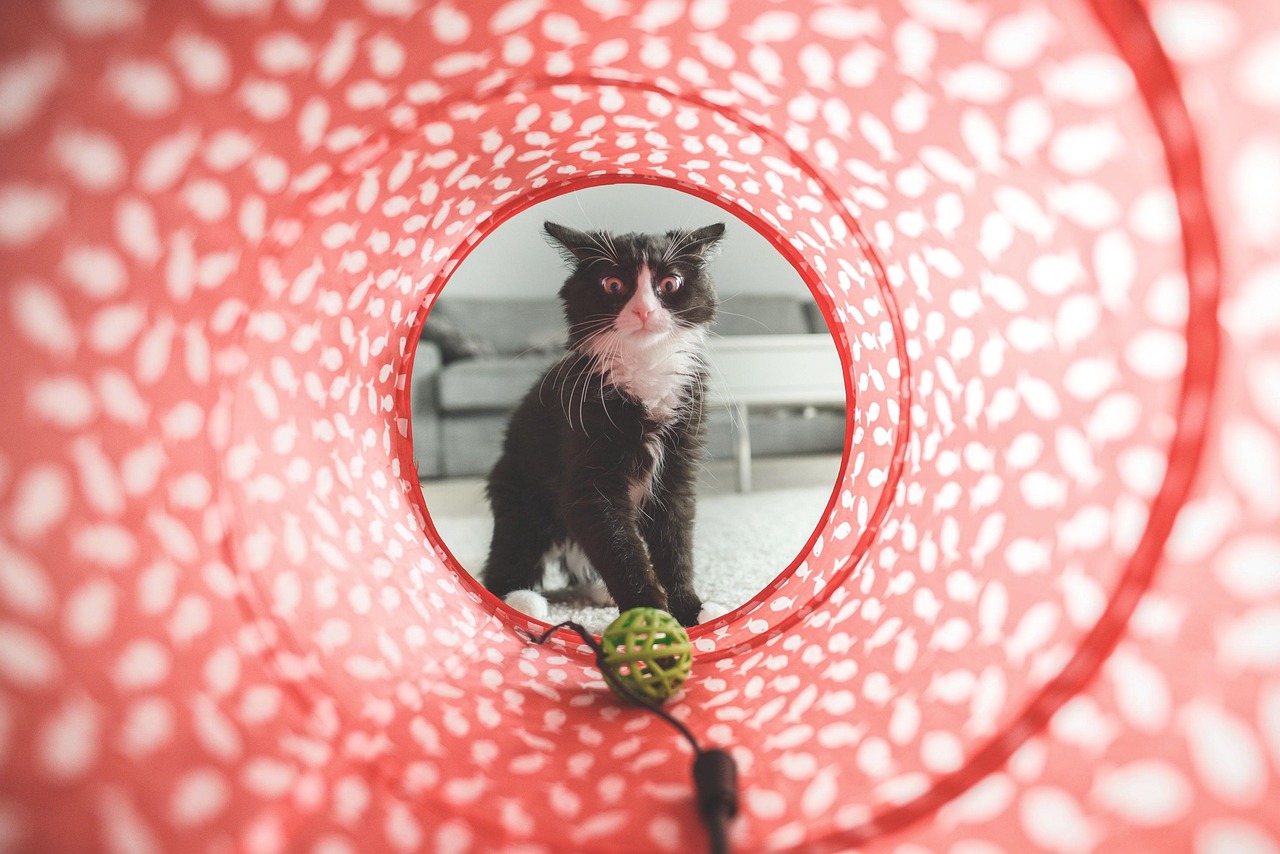

Using Play Therapy to Support Mental Health in Adopted Cats
Adoption can be a transformative experience for both cats and their families, yet it often comes with transitional challenges. Many adopted cats experience anxiety and stress when entering a new environment. Understanding and addressing these feelings is crucial for their adjustment. Play therapy serves as a beneficial tool, promoting mental well-being while helping them adapt to their new homes. This therapy encourages natural behaviors and reduces stress levels by engaging a cat’s innate instincts. By implementing different types of play, cat owners can facilitate positive experiences that foster trust and security. Each cat has unique preferences and personalities; recognizing these traits helps in tailoring play activities effectively. Interactive toys, feather wands, and puzzle feeders can stimulate mental activity and alleviate feelings of isolation. The allowance of self-directed play alongside guided interaction can enhance the cat’s emotional state, leading to a smoother transition. Observing the cat’s responses allows owners to adjust their approach, ensuring a supportive environment. Overall, play activities promote not just physical exercise but also emotional resilience essential for successful adoption.
The Role of Play in Cat Adjustment
The role of play in a cat’s emotional adjustment is significant, especially for adopted cats. Engaging them in different forms of play can reduce anxiety and build confidence. Newly adopted cats may feel overwhelmed, leading to behaviors such as hiding or excessive vocalization. Through play, these cats can express their natural instincts while relevantly engaging in their surroundings. For instance, pestering and chasing after toys mimic hunting behaviors, giving a sense of achievement and purpose. As cats play, they release endorphins, which promote a happy and relaxed state. Furthermore, social play with family members can enhance bonding and reassure them of their safety. Participating in playtime helps reinforce trust between the cat and its new owner. It’s essential to observe how each individual cat reacts to various types of play, allowing owners to adapt their strategies accordingly. Providing a rich play environment filled with diverse activities can significantly impact a cat’s mental health positively. Thus, play therapy acts as an excellent intervention tool for empowering adopted cats and improving their overall quality of life.
Creating a stimulating environment is key for adopted cats’ mental well-being. Toys that stimulate mental engagement are crucial; they prevent boredom and destructive behaviors. Cats require regular interactions with various play items, including laser pointers, balls, and scent trails. A well-curated selection of toys encourages independent play, promoting self-entertainment and reducing anxiety. Enrichment activities on a daily basis ensure that their lives are not monotonous. Establishing a routine around playtime can also create a sense of predictability, which is comforting for recovering felines. Additionally, incorporating different textures, sounds, and movements into the play helps to pique their curiosity and alertness. Hiding treats within toys can encourage interactive problem-solving, thereby boosting cognitive skills. Enrichment spaces that provide vertical climbing options, scratching posts, and cozy nooks facilitate safe exploration. Encouraging exploration leads to active engagement in the new environment. By integrating play into daily life, the adjustment period for adopted cats becomes much more manageable. Owners can confidently witness their feline companions thrive, marking progress in mental health and behavioral adjustment as significant milestones.
Utilizing Tools for Play Therapy
Numerous tools exist for cat play therapy that enhance the transition for adopted cats. Selecting the right toys significantly enhances their experience and promotes mental health. Start with interactive toys that challenge their minds, helping them learn new skills. Consider using feather wands to simulate natural hunting instincts; this kind of interactive play fosters essential bonds. Puzzle-based toys are excellent as they engage both mental and physical faculties, encouraging problem-solving behaviors. Additionally, laser pointers provide high-energy fun, keeping cats agile and entertained. It’s important, however, to balance laser play with tangible toys to prevent frustration from failed hunts. Catnip-infused toys can also make play sessions more enjoyable, encouraging spontaneous play episodes. To utilize these tools effectively, vary the types of play sessions according to the cat’s energy levels and moods. Schedule regular times for play to reinforce structure in the cat’s daily routine, offering them something joyful to look forward to. Properly enhancing the play environment with these tools can ultimately lead to a marked improvement in the adopted cat’s overall behavior and mental resilience.
Social interaction plays a pivotal role in the mental health of adopted cats. While play is essential, the interaction quality during these activities shapes their emotional well-being. Adopted cats often require a gradual introduction to social stimuli, especially in homes with multiple pets or children. Observing the cat’s body language during play helps owners gauge comfort levels. Gentle encouragement through play can reduce feelings of fear and enhance confidence. Supervising play with children ensures that interactions remain safe and positive. It’s crucial to teach children how to appropriately engage with cats, reinforcing gentle behavior during play. Safety measures should be implemented, such as providing escape routes for the cat when feeling overwhelmed. Recognizing when a cat needs time alone is vital, as over-stimulation can lead to negative behavior. Forming a positive association through rewarding play experiences can strengthen the bond between humans and their feline companions. This bond is essential for long-term happiness and stability in new environments. Ultimately, fostering strong social connections enhances mental health, making every interaction a step toward a fulfilling companionship.
Monitoring Progress and Behavior
Regularly monitoring behavioral changes in adopted cats is crucial for understanding their mental health journey. Measuring progress can involve noting any improvements in social engagement, playfulness, or overall activity levels. Keeping a journal charting reactions to different play activities helps identify what resonates. As cats begin opening up, they may display preferences for certain types of play or toys. Observing these changes assists in further customizing their play therapy sessions and retaining their interest. Additionally, assessing changes in eating habits or litter box usage provides valuable insights into emotional states or potential stressors. Regular vet check-ups are also recommended to ensure overall physical well-being during their adjustment period. Healthcare professionals can offer guidance tailored to the specific needs of adopted cats. Incorporating frequent play sessions structured around their needs enables a holistic understanding of their mental health. Engaging with veterinary resources may also involve behavioral specialists, helping design a personalized approach to ongoing traumas or anxiety. Ultimately, consistent observation helps owners nurture happy, healthy cats that feel integrated and secure in their new homes.
In conclusion, play therapy is an effective approach to support the mental health of adopted cats. The transition into new homes can be stressful, but by utilizing engaging play techniques, owners can facilitate a smoother adjustment process. This not only helps cats feel secure but encourages the development of trusting relationships. Such supportive environments are fundamental for promoting healthy behaviors, reducing anxiety, and fostering happiness in adopted cats. Providing a variety of play activities tailored to individual preferences empowers these cats and enhances their emotional resilience. Moreover, incorporating social interactions into play encourages positive bonding and reassures cats of their safety. As owners actively monitor behaviors and adjust sessions accordingly, they become attuned to their cat’s needs, solidifying the bond that forms during this niche transition. Through commitment and understanding, every cat’s journey can be one filled with joy, comfort, and fulfillment. The empowerment and mental enrichment derived from play therapy pave the way for long-lasting relationships and an improved quality of life. Owners embarking on this journey bring light, comfort, and stability to their adopted feline companions.
Understanding the significance of play therapy for adopted cats enhances emotional support and fosters a compassionate human-feline relationship. Play therapy offers practical solutions that can transform the experiences of adopted cats, ultimately leading to happier, healthier, and well-adjusted companions.