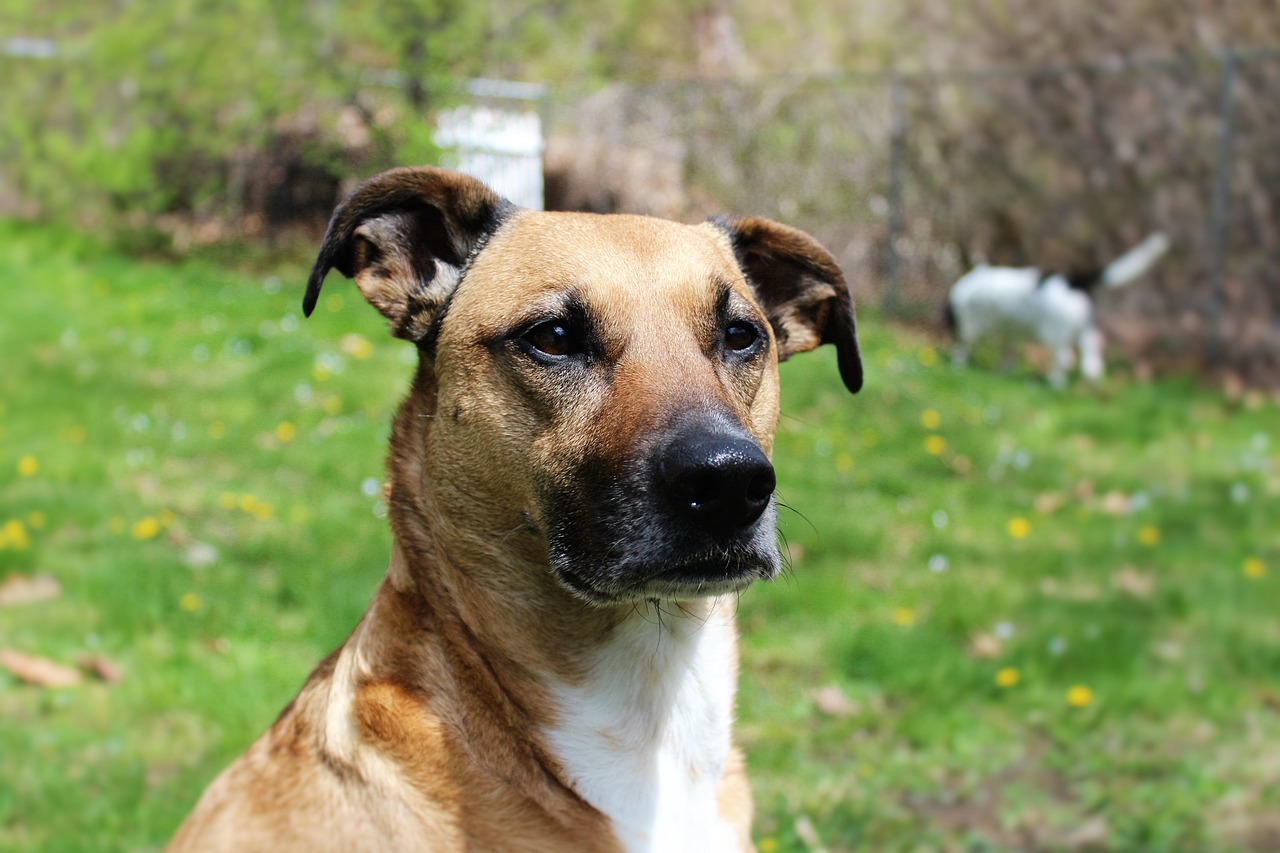

Using Public Transportation When Traveling with Rescued Dogs
Traveling with rescued dogs via public transportation can be a rewarding yet challenging experience. The excitement of exploring new places with your furry friend is unparalleled. However, there are certain considerations to keep in mind to ensure a smooth journey. Begin by checking the individual policies of the transportation service you plan to use. Many public transit systems welcome pets, but they may have specific rules regarding size, containment, and behavior. Understanding these guidelines will help you prepare accordingly. Consider investing in essential items such as a sturdy carrier or leash. It’s crucial to have your dog comfortable and secure while traveling. Make sure your dog is familiar with the carrier before the trip, as this can alleviate stress. Additionally, consider using a calming spray or natural remedy to help ease any anxiety your dog might feel in a new environment. Never forget to pack water and snacks for your dog during travel. Planning for bathroom breaks is equally essential. If you’re prepared, traveling with your furry companion can become a bonding experience yielding great memories for both of you.
Preparing Your Rescued Dog for Travel
Before embarking on a journey, it’s important to prepare your rescued dog for travel on public transportation. Start by visiting your veterinarian to ensure that your dog is fit to travel. Get any necessary vaccinations updated and discuss any concerns about travel stress. It can also be helpful to take your dog for practice rides around your neighborhood or in quieter parts of the public transport system. This helps them adapt to the movement and noise associated with public transportation. Essential training, such as commands like “sit,” “stay,” and “quiet,” can significantly enhance your trip. Positive reinforcement techniques can encourage good behavior in your dog when traveling. Use treats and praise as motivators throughout the journey. Lastly, ensure that your dog’s identification is up to date. Microchipping your pet or having a collar with an ID tag is crucial in case you get separated. Taking these precautionary steps will ease travel anxiety for both you and your dog while ensuring a safer journey. Remember that dogs can pick up on their owners’ stress levels, so remaining calm is key.
Once you’re ready to travel, it’s important to consider how to navigate the public transportation systems safely. Be sure to arrive at the station or bus stop early to allow time for settling in. When boarding, ensure that your dog is securely on a leash or in a carrier. Keep your dog close to you to avoid any potential disturbances to fellow passengers. If your dog becomes anxious near large crowds, find a quiet corner to stand in while waiting. During the journey, monitor your dog for signs of discomfort like excessive panting or whining. Offering reassurance through gentle petting or calming words can help. If your dog seems restless, a small toy or chew can provide distraction. However, be mindful of sharing space with other passengers and respect their comfort levels. Identifying a safe place for your pet to sit or lay down can make the journey more enjoyable. If traveling by train, consider facing your dog away from the aisles to minimize distractions. Finally, keep an eye on your surroundings and be aware of upcoming stops to prevent any last-minute scrambles.
Overcoming Challenges in Public Spaces
While traveling with rescued dogs, you may encounter challenges like noise, crowds, and unfamiliar environments. It’s essential to be prepared to manage these situations calmly. If your dog is fearful of loud noises, try to identify quieter modes of transportation or travel during off-peak hours. This can help avoid overwhelming situations that could lead to stress or anxiety. If your dog displays signs of fear, soothing techniques and calm reassurance will help. Immediately address the behavior with a soft voice and gentle touch. Carrying familiar toys or blankets can also provide comfort and reassurance, creating a sense of safety. Additionally, try to remain patient, as overcoming these obstacles may take time. Sometimes, staying in a more enclosed area, like the back of a bus, can help minimize stimuli for your dog. Providing relaxing experiences post-travel, like a favorite treat or extended playtime in a safe place, can also create positive associations with public transport. By taking these steps, traveling can become more enjoyable for both you and your dog, fostering a deeper bond through shared adventures.
Feeding schedules also play a crucial role when you’re traveling with rescued dogs. Maintain a consistent feeding routine to prevent digestive issues during travel. Aim to feed your dog a light meal a few hours prior to departing. Avoid feeding them immediately before leaving, as this might lead to discomfort or motion sickness. Make sure to carry plenty of water to keep your dog hydrated throughout the journey. Portable water bowls can be easily packed and will make the process convenient. During stops, allow your pooch to hydrate and rest. If possible, plan short breaks at pet-friendly areas to let them stretch, relieve themselves, and explore. Such mini-adventures can break the monotony of travel and ensure your dog’s well-being. Always monitor how your dog responds to these changes, adapting your approach if necessary. Being adaptive showcases the importance of observing and responding to your dog’s needs. Encouraging good bathroom habits also contributes significantly to reducing travel stress. Having potty pads ready can be helpful too, especially in dire situations where finding a bathroom isn’t possible. Ultimately, a little foresight could make your journey much more pleasant.
Documentation and Travel Regulations
Understanding travel regulations and having the necessary documentation in place is vital. If you’re traveling across state lines or even internationally, regulations can vary significantly. Check what vaccination records may be required for your dog, in addition to any breed restrictions. Some airlines and trains may require advance reservations for pets, so be sure to book ahead of time. Many service providers also require a health certificate from a veterinarian before allowing your dog onboard. This document typically confirms that your dog is healthy and free from diseases. Have these documents readily accessible on your travel day to streamline boarding processes. If traveling to an unfamiliar area, research pet-friendly accommodations and activities in advance. Websites and apps dedicated to pet-friendly travel can be a treasure chest of helpful information. Prioritize places that welcome dogs, ensuring a stress-free experience. Keep your dog’s favorite items, such as a blanket or toys, nearby as familiar scents can help ease anxiety. Being well-informed and proactively addressing these details will reduce stress and allow for a smoother journey, creating special memories along the way.
In conclusion, traveling with rescued dogs using public transportation can be a fulfilling experience. By planning ahead and keeping in mind your dog’s needs, you can turn a standard trip into a lifelong memory. Starting with preparation, from vet visits to familiarizing your dog with transport modes, sets the stage for success. Continuous monitoring of your dog during your journey helps quickly address any discomfort that may arise. Creating enjoyable, positive experiences during travel allows your dog to associate public transport with fun outings. Reinforcement through snacks, toys, and praise creates happy memories, thereby enhancing your bond. Documentation and understanding regulations contribute to a worry-free travel experience, ensuring you’re well-prepared for what lies ahead. Incorporating breaks and being attentive to your dog’s emotional state will further facilitate a pleasant journey. Always remember that traveling is a collaboration between you and your furry companion; your attentiveness can reduce anxiety and enhance enjoyment. By following these tips, public transportation may become a rewarding option for your adventures together. With every positive journey, you’re helping your rescued dog learn and grow, making every moment a special adventure.