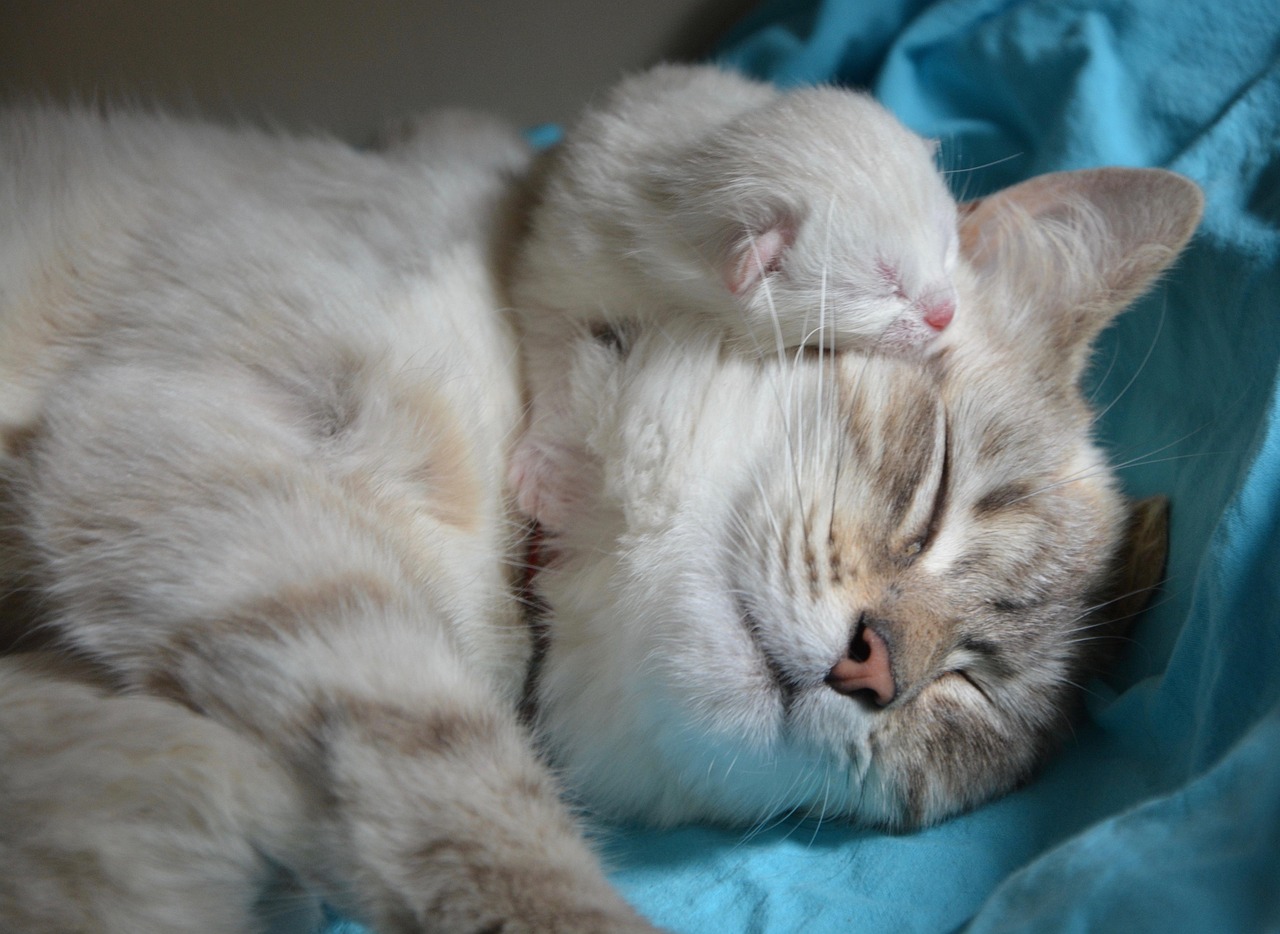

Developmental Differences Between Breeds of Kittens
Kittens are endearing, playful souls that possess unique developmental attributes based on their breed. It is essential for prospective cat owners to recognize and comprehend these variances. This understanding aids in catering to individual kitten needs, ensuring a healthy, happy upbringing. Breeds such as Siamese are characterized by vocal tendencies and affectionate personalities, while Maine Coons, recognized for their gentle nature, tend to be more laid back. Meanwhile, Burmese kittens are known for their agility and energetic behaviour. Tailoring the environment can boost their growth and happiness. Moreover, the sociability of a breed impacts developmental stages. For instance, Ragdoll kittens, famous for their docile demeanor, may require a different approach than more active breeds like Abyssinians. Regardless of breed, love and training are pivotal during early development. Understanding how various breeds interact socially will promote positive behaviours. Providing adequate stimulation, including interactive play, enhances their capability to adapt and thrive. Knowledge about their quirks and habits is vital in fostering healthy relationships. Owners who educate themselves contribute significantly to a kitten’s development and overall wellness.
Socialization varies widely among kitten breeds, influencing their growth and personality traits significantly. For highly social breeds like the Bengal, early interactions are crucial. Their exploratory nature often leads them to seek out companions and new experiences. This stimulation plays a vital role in building confidence and reducing anxiety as they transition into adulthood. Conversely, breeds like the Scottish Fold may exhibit a more reserved nature, benefiting from gentle encouragement and patience. Understanding these differences helps owners provide the right environment to nurture their kittens. Playtime can facilitate bonding and reduce mischief, which is prevalent in rambunctious breeds. Owners must observe individual personalities to strengthen communication between them and their kittens. Ensuring each kitten has a safe space to retreat also aids in their personal development and temperament. Recognizing specific breed traits paves the way for owners to anticipate behavioural tendencies. Whether fostering independence or companionship, adjusting training techniques enhances bonding effectiveness. Regularly engaging with kittens in a constructive manner guarantees their emotional stability. Each breed possesses its developmental journey, with unique needs that should be addressed for their optimal growth and social adjustment.
Physical Development Among Breeds
The physical development of kittens varies noticeably between breeds, impacting their health and abilities during crucial growth milestones. For example, British Shorthairs typically grow into robust, stocky adults, exhibiting distinct body structures that affect mobility. Their growth is generally steady but proportionate. In contrast, Siamese kittens develop into slender, agile cats, showcasing elongated bodies and limbs. This difference can influence their activity levels and exercise requirements later in life. Preserving an ideal weight while managing various breeds develops healthier adult cats and promotes longevity. Additionally, kittens like the Persian are distinguished by their thick fur, which necessitates diligent grooming to prevent matting. Owners must proactively engage in these grooming routines to keep their kittens comfortable. Regular vet check-ups are also essential, ensuring their developmental needs align with their breed traits. Their activity levels and growth spurts differ; thus, understanding these physical characteristics is critical as kittens transition from infancy to adulthood. Treating them with breed-specific care, nourishment, and exercise leads to well-rounded individuals. Owners should be attentive to these variances, celebrating each kitten’s uniqueness to foster a comfortable environment.
Another significant aspect of kitten development is their cognitive growth, which can vary widely between breeds. Breeds like the Burmese are exceptionally intelligent, showing remarkable problem-solving abilities early on. These cats often excel in training, quickly learning new commands and exhibiting playful inclinations toward challenge-based tasks. On the other hand, breeds like the Persian may not demonstrate the same level of intellectual curiosity but often have a more laid-back approach to learning. Understanding these cognitive differences can greatly enhance the training process for every kitten. Engaging them in mentally stimulating activities tailored to their abilities fosters healthy development and prevents boredom. Providing toys that encourage exploration and engagement is crucial, especially for intelligent breeds. The environment also plays a crucial role, as social interactions and experiences shape their cognitive abilities. Regular mental stimulation, socialization opportunities, and varied experiences promote adaptability among breeds. In turn, this encourages a well-adjusted adult cat, easing their integration into human households and enhancing overall livability. A knowledgeable owner recognizes the importance of mental exercises in shaping their kitten’s character, paving the way for a bright future.
Emotional and Psychological Development
Emotional development is profoundly influenced by breed characteristics and how they interact with their environment. Kittens such as the Maine Coon, known for their friendly demeanor, often display robust emotional stability, requiring consistent affection and in-depth social engagement. Conversely, breeds like the Sphynx may demonstrate more sensitivity and can easily become anxious if not well-socialized. Establishing a nurturing atmosphere is essential, as each breed’s emotional makeup shapes its psychological well-being. Regular interactions, gentle handling, and petting foster secure attachments that promote comfort. Understanding that emotionally attuned kittens thrive in environments that promote safety is vital; many breeds will need reassurance to gain trust in their human counterparts. Mental health is paramount in their emotional growth journey, as stress negatively impacts development. Different breeds exhibit varying resilience to stressors; thus, owners must remain observant, promptly addressing any behavioral changes. Incorporating structured playtime and engaging in bonding activities can help them navigate potential challenges positively. Fostering emotional connections leads to a deeper bond, benefiting both the owner and their beloved feline companion.
Nutrition is another vital component of kitten development, with breed-specific dietary needs to consider. For instance, highly active breeds like the Abyssinian might require higher protein intake compared to less active breeds such as the Ragdoll. Understanding these nutritional variances establishes a baseline for optimal physical and cognitive growth. Feeding kittens a balanced diet rich in essential nutrients fosters healthy development, supporting their active or laid-back lifestyles respectively. The importance of age-appropriate food cannot be overstated—kittens need diets specifically designed for growth stages. Regularly consulting with a veterinarian ensures that nutritional needs align with breed characteristics. Owners should educate themselves on the dietary essentials for their specific breed to avoid potential health issues down the line. Understanding which foods encourage a healthy balance of proteins, fats, vitamins, and minerals simplifies decision-making around nutrition. Additionally, breed considerations can affect feeding schedules and portion sizes, emphasizing the need for adaptation based on diverse requirements. As kitten owners invest time in researching and assessing dietary needs, they nurture their kittens’ wellbeing, fostering a strong foundation for their future.
Addressing Developmental Challenges
While all kittens face various developmental challenges, breeders must be mindful of the breed-specific obstacles that can arise. For example, some breeds are prone to genetic health issues that can hinder growth and overall development. Owners must be vigilant regarding early signs of these challenges, as early intervention can yield significant benefits. Recognizing breed-specific behaviors also assists in addressing training and behavioural issues effectively. Breeds that are more independent, such as the Russian Blue, may require tailored approaches. Owners should cultivate patience and consistency, especially when navigating stubbornness in specific kittens. Engaging professional trainers or animal behaviourists can be beneficial for addressing behavioural challenges and ensuring proper socialization. Additionally, providing mental stimulation and exploring innovative training methods eases developmental hurdles for various breed types. Each kitten deserves attention and understanding so they can flourish, irrespective of their breed characteristics. Enriching their environment through play and social activities will significantly enhance their adaptability and overall wellbeing. By addressing these unique developmental challenges, owners create healthy, happy relationships between themselves and their kittens, ensuring a lifelong bond.
The developmental journey for kittens can be a fascinating exploration shaped by breed differences. Understanding these nuances helps foster a profound bond between kittens and their owners. Each breed comes with distinct characteristics that loosen the understanding of their development process. Owners are encouraged to educate themselves about their chosen breed’s specific needs, behaviours, and growth patterns. This knowledge enables them to adjust care practices to better suit their kittens, creating enriched environments conducive to growth. Participating in breed-specific communities can be invaluable for gathering insights on best practices for care and nurturing. Sharing experiences with fellow breeders, alongside learning from experts, enhances the overall kitten-raising experience. As one navigates through this journey, fostering understanding cultivates patience and empathy. Owners should remain receptive to each kitten’s unique mannerisms and personality traits. This approach encourages the establishment of a solid foundation built on trust and understanding, enhancing the likelihood of developing a strong bond. By embracing the intricacies of kitten development, owners ensure a smoother transition into adulthood for their feline friends, ultimately nurturing their overall happiness and wellbeing.