
Harnessing Knowledge: Understanding Weight Pulling Competition Rules
Weight pulling is an exhilarating sport that showcases the strength and endurance of dogs. This sport has specific rules and regulations to ensure fairness and safety for the participants. Competitors use a harness attached to a sled or cart, which is loaded with weights. The goal is straightforward: the dog must pull the weight a certain distance in the fastest time possible. Each participant registers according to their dog’s size and weight category. Understanding the established rules is crucial for all competitors, especially first-timers entering the event. Additionally, handlers must adhere to safety protocols, including proper gear for the dog. Failure to comply results in disqualification or penalties. Rules also encompass ensuring that dogs stay healthy and fit for competition, which fosters a responsible approach to training. Competitors must provide proof of vaccination, ensuring that their pet is free from communicable diseases. This requirement promotes a healthier environment for all entrants, which benefits both the dogs and their handlers immensely.
Understanding Categories in Weight Pulling
There are distinct categories in weight pulling, promoting inclusivity across different breeds and sizes. These classifications range from small dogs to gigantic breeds, helping handlers choose realistic goals for their pets. Category placements typically involve a combination of weight and height standards, ensuring a fair competitive environment. Each category allows for an exciting matchup. Every event often includes classes designated for novice and experienced competitors, offering everyone a chance to participate. It is important for handlers to familiarize themselves with the specific requirements of their chosen category to avoid misunderstandings. Judging criteria also play a significant role in the competition’s structure. Judges will evaluate each dog’s performance based on their pulling technique, strength, and overall demeanor. A dog that pulls efficiently with enthusiasm may receive higher marks. Additionally, handlers should pay attention to the rules regarding the harness equipment, as the type of harness used can impact both performance and safety. Proper training ensures dogs are suited to pull weights effectively while minimizing the risk of injury.
Handlers also play a vital role in the weight pulling sport beyond just leading their dogs. Their responsibilities encompass understanding how to motivate their pets and ensuring it enjoys pulling weights. Encouragement during the run can significantly impact how well a dog performs. Handlers must develop a solid rapport with their dogs to communicate effectively, particularly during competitions. The bond between a handler and a dog often reflects in performance during trials, as a confident dog will naturally unleash its potential. Proper training techniques should involve gradual increments in pulled weight to build strength, endurance, and confidence. Starting with lighter loads before advancing to heavier weights is crucial for preventing injuries. Handlers often use positive reinforcement to keep their pet’s spirits high and maintain enthusiasm throughout. Consistency in training routines will not only benefit the dog’s fitness levels but also foster a longer-lasting partnership. Recognizing when to give breaks or alternative activities enriches the dog’s experience, emphasizing the sport’s fun aspect. Emotional well-being directly correlates with physical success.
Essential Equipment for Weight Pulling
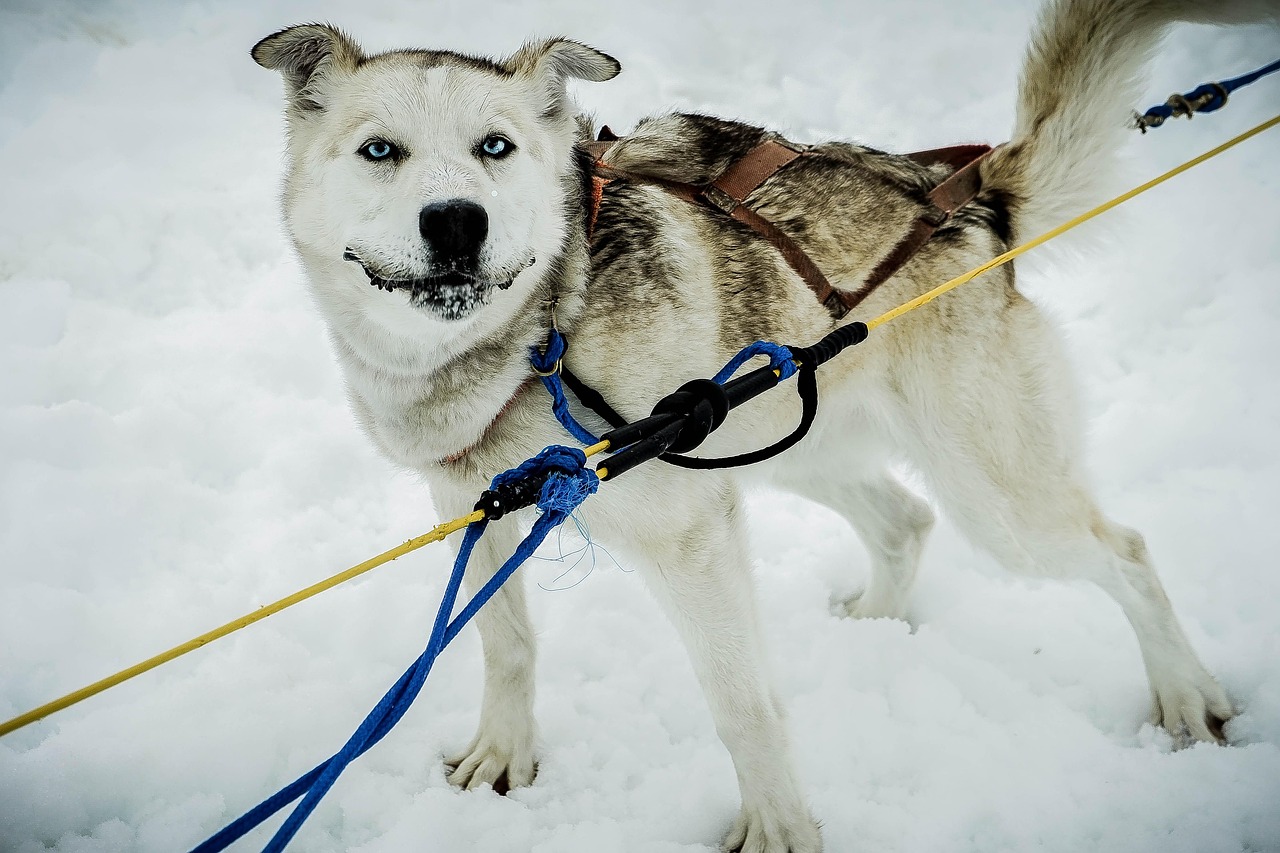
Suitable and safe equipment is fundamental in weight pulling competitions. The harness is arguably the most crucial item, as it must provide both support and comfort for the dog. Various styles of harnesses are available, allowing handlers to choose the one that best suits their dog’s specific anatomy. A build-specific harness must distribute weight evenly to avoid unnecessary strain on any single muscle group. The sled or cart should also be designed to withstand the weight and should roll smoothly to ensure a consistent pulling resistance. Regular maintenance of this equipment is essential; a well-kept sled performs significantly better. Additionally, dogs should wear appropriate shoes to provide traction and protection should the surface be slick. Handlers should prepare for varying weather conditions, bringing along cooling vests or reflective gear when necessary. Ensuring a dog’s comfort and safety requires careful evaluation of all equipment involved. Handlers must also arrive with spare gear in case of unexpected failures. Having backup equipment can save time and maintain the integrity of the competition.
The judging aspect of weight pulling competitions is equally important and typically follows established criteria. Judges assess various factors, including the technique employed by both the handler and the dog throughout the pull. They will observe the dog’s motivation, the eagerness to pull the weight, and the overall attitude exhibited during the performance. Efficiency plays a critical role; dogs that utilize their body mechanics well can often outpace those that struggle. Timing is officially recorded, and each performance must be cross-referenced to determine rankings effectively. Disputes sometimes arise regarding the judged performances; therefore, having clear, transparent guidelines and rules helps maintain fairness among competitors. Judges should embody a strong understanding of canine behavior, as an animal’s confidence levels can influence results. The evaluation process should also take into account the encouraging behavior of the handler, as a fully engaged team usually performs better. Handlers should remain aware of their own conduct throughout the competition, as this serves as part of an impactful presentation.
Health Considerations for Competing Dogs
Maintaining a dog’s health is a principal concern in weight pulling competitions. Handlers must seek veterinary advice before entering their pets in these events, particularly regarding fitness levels and any pre-existing conditions. Regular check-ups ensure that a dog’s overall well-being remains at peak levels, addressing potential health issues before they affect performance. Nutrition also plays a crucial role in a competing dog’s health, requiring specially formulated diets to support strength and endurance. Handlers should monitor their dog’s weight closely; overweight dogs may perform poorly and risk injury. Overexertion during training can lead to injuries, thus establishing a reasonable exercise schedule is essential. Incorporating rest days allows muscle recovery necessary for optimized performance during competitions. Hydration should never be overlooked, particularly during events held in hot weather. Precautions must be taken to prevent overheating, such as providing shade and water. When properly cared for, competing dogs flourish, showcasing their strength and skills unique to this exciting sport. Handlers are responsible for ensuring no harm comes to their beloved pets.
The success of any weight-pulling event is also dependent on the organization and management behind it. Organizers must create a structured schedule that allows for smooth transitions between different stages of the competition. Clear communication with competitors regarding times and categories must be maintained to avoid confusion on event day. Marking designated areas for competitors, spectators, and participants facilitates an enjoyable experience for everyone involved. Safety protocols must be established, including first aid availability should any injuries occur. Technical issues may arise, so having a checklist to prepare for contingencies is advisable. Notably, the promotion of the event through social media channels can attract participation. Additionally, local business sponsorships could provide necessary funding to enhance the quality of the event, creating a win-win opportunity for all stakeholders. Engaging with the community also fosters greater support for dog sports overall, encouraging responsible dog ownership. The combined efforts of everyone involved contribute to a successful event where dogs and handlers enjoy the thrill of competition in a safe environment.
Emotionally connecting with your dog determines overall success in weight pulling competitions. This connection not only enhances performance but also enriches the relationship you share. When dogs feel secure and happy during their participation, their confidence will shine through. Handlers must promote a positive environment through encouragement and patience, reflecting on both performance and well-being. Training sessions should be enjoyable; incorporating playful activities helps build trust between handler and dog. Familiarizing dogs with the competition setup before the event can also ease anxiety. Regular, positive interactions encourage dogs to thrive, performing at their best when under pressure. Handlers should work towards a well-balanced approach, combining training with leisurely walks and playtime. This harmonious blend supports the dog’s mental health while building essential skills for weight pulling. Engaging in community programs that involve training or competitions further enhances socialization. These interactions create bonds that transcend the sport itself, emphasizing the importance of the human-animal connection. A well-rounded upbringing ultimately benefits all participants and ensures weight-pulling competitions thrive as a joyful experience for everyone.