
Taurine in Cat Nutrition: Benefits and Sources
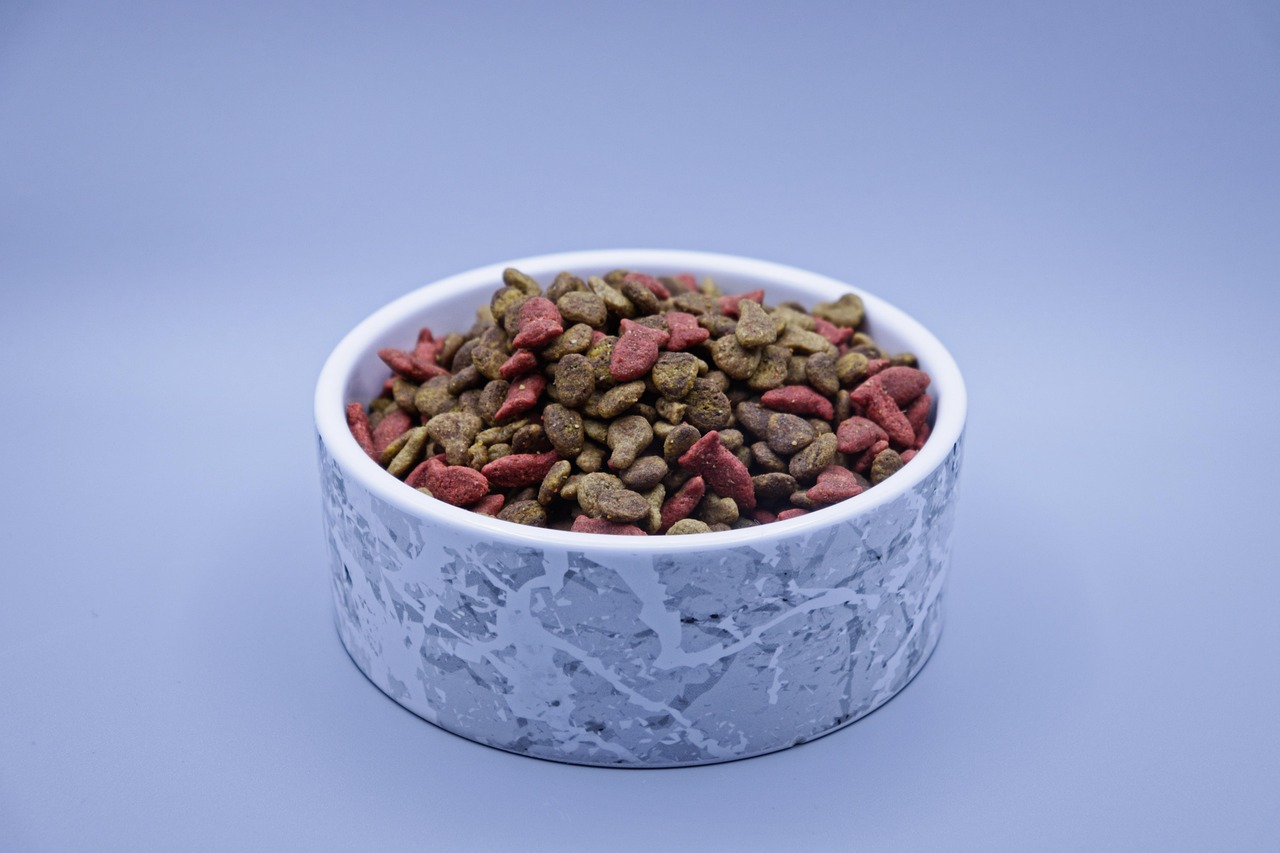
Taurine is an essential amino acid vital to maintaining a cat’s health. Unlike dogs, cats cannot synthesize sufficient amounts of taurine, which is why dietary inclusion is crucial. This amino acid plays several critical roles in feline physiology. It is vital for the proper function of the heart, eyes, and immune system. Taurine deficiency can lead to severe health issues, including retinal degeneration and dilated cardiomyopathy, which are serious conditions. Ensuring that your cat receives adequate levels of taurine is fundamental to its overall well-being. Rich dietary sources of taurine include meat and fish, particularly poultry and seafood. Cats are obligate carnivores and thrive on animal-based proteins that naturally contain taurine. Incorporating high-quality wet or dry food formulated for cats can help provide them with the necessary taurine levels. Alternatively, taurine supplements are available for those concerned about specific dietary restrictions or preferences. Regular veterinary check-ups and dietary assessments are highly recommended. With a dedicated approach to fulfilling your cat’s taurine needs, you can promote its health and longevity ingreat measures.
The Role of Taurine in Cat Health
Taurine is not just an amino acid; it plays a multifaceted role in maintaining the overall health of cats. One significant function is its involvement in bile salt formation, which aids in fat digestion and absorption. This means that proper taurine levels can influence your cat’s ability to process its food efficiently. Furthermore, taurine supports the immune system, enhancing a cat’s ability to fight infections and diseases. A well-nourished immune system is crucial for long-term health, particularly as cats age. Additionally, taurine helps to regulate the cat’s body temperature and maintain hydration. Many cat owners may not realize that taurine affects coat and skin health as well. Adequate taurine levels keep fur glossy and skin healthy, preventing dermatological issues. As such, it becomes vital in assessing your cat’s diet. Regularly incorporating taurine-rich foods into your cat’s diet can significantly benefit its overall health and well-being. Choosing high-quality cat food enriched with taurine ensures that your feline friend gets this essential nutrient reliably.
Taurine in a cat’s diet is largely derived from animal-based proteins, yet the quality and source matter. Wet food, particularly those made from real meat, is an excellent source of taurine for cats. It’s worth noting that processing methods can affect taurine content in commercial cat food. Foods that undergo extensive processing may lose some of this valuable nutrient. When selecting a cat food brand, check the label for taurine content, as some may not meet the necessary requirements. Avoid products with plant-based protein, which can be less effective in providing sufficient levels of taurine. The ideal diet should primarily consist of animal protein, offering the most effective source of taurine. Tuna, chicken, and lamb are all fantastic options. Home-cooked meals can also fulfill taurine needs but should be formulated carefully to ensure balanced nutrition. Additionally, if considering supplements, consult with your vet to determine the right dosage and type suitable for your cat. Overall, consistency in diet not only enriches a cat’s food but also boosts its quality of life.
Symptoms of Taurine Deficiency
Recognizing the signs of taurine deficiency is vital for ensuring your cat’s health. Symptoms can be subtle at first but may escalate to serious issues if left unaddressed. Common signs include lethargy, poor coat quality, and changes in appetite. Affected cats may become less active and show signs of fatigue. Eye issues such as decreased vision can manifest, leading to eventual blindness if not promptly managed. Additionally, you may notice behavioral changes; cats may become withdrawn or irritable. Dilated cardiomyopathy, a serious heart condition, can develop over time due to chronic taurine deficiency. Unfortunately, permanent damage can occur if the deficiency lasts too long. Regular veterinary check-ups will help catch any signs early. If you suspect your cat is not receiving enough taurine, consider looking into dietary adjustments or introducing a taurine supplement. Assessing overall health through lab tests will help gauge taurine levels and overall nutritional status. Being proactive can prevent irreversible damage and ensure your feline remains happy and healthy.
It’s important to understand that not all sources of taurine are equal. While supplementation can help, relying solely on it is not advisable. A balanced diet rich in proteins is necessary for optimal taurine absorption and utilization by the body. Reading pet food labels is critical to ensure that your cat’s diet is meeting its unique nutritional needs. Carefully select brands that source high-quality ingredients and meet the standards for taurine content. The Association of American Feed Control Officials (AAFCO) provides guidelines for pet food nutrition that can be quite helpful in making informed choices. Furthermore, consult with a veterinarian for personalized dietary recommendations tailored to your cat’s needs. Factors such as age, health status, and lifestyle can affect taurine needs, necessitating a customized approach. Regular feed changes should also be approached cautiously to avoid digestive upset. Transition between food sources gradually to ensure a seamless adaptation for your pet. This holistic care can significantly impact your cat’s energy levels, immune response, and long-term health.
Choosing the Right Supplements
If considering taurine supplements for your cat, it’s crucial to navigate the options wisely. Many products are available in various forms, including powders and capsules. However, not all supplements are created equal. Always look for those that are specifically formulated for pets and have undergone testing for efficacy and safety. Consulting your veterinarian can help you find reputable brands or products that fit your cat’s needs. They can provide guidance on the appropriate dosage; over-supplementation may lead to unintended side effects. Additionally, choose supplements made from natural sources, as these are often better absorbed by the feline body. One noteworthy consideration is the presence of other nutrients that work synergistically with taurine, enhancing its effectiveness. Look for ingredients that complement omega fatty acids or B vitamins. By selecting a well-rounded product, you can support your cat’s overall health while ensuring sufficient taurine intake. It’s also wise to observe your cat’s response to any new supplement introduced into its diet.
In conclusion, taurine is a fundamental aspect of feline nutrition that must not be overlooked. Understanding its importance can help you provide better care for your feline companions, ensuring they thrive in every stage of life. Cats should primarily receive taurine through quality animal proteins found in their meals. However, due to dietary preferences or restrictions, you may need to consider supplements to bridge any gaps. Recognizing the symptoms of taurine deficiency enables you to intervene early and effectively to prevent health complications. Regular veterinary visits are the best way to stay informed about your cat’s nutritional needs, particularly regarding amino acids like taurine. This proactive approach also allows you to make dietary adjustments based on your cat’s evolving health status. Aim for a balanced diet that meets or exceeds taurine requirements, and always opt for high-quality foods. Supporting your cat’s holistic health by ensuring adequate taurine levels will ultimately promote a longer, happier life for your beloved pet. Being informed and attentive is key in promoting optimal feline health.