
The Importance of Mental and Physical Balance Through Exercise
Fostering mental health in dogs is a multidimensional aspect that requires our focused attention. Exercise plays a pivotal role in a dog’s mental well-being, helping alleviate conditions such as anxiety and depression. When dogs engage in physical activity, they release endorphins, which enhance mood and promote relaxation. Regular exercise alleviates boredom, preventing the outbreak of destructive behaviors, whether it be chewing furniture or excessive barking. Dogs that exercise frequently also tend to exhibit improved social behaviors, showing increased confidence when interacting with other dogs and humans. Additionally, exercise strengthens the bond between dogs and their owners, leading to greater happiness on both sides. The type of exercise appropriate for dogs can vary based on age, breed, and energy levels. For some, a leisurely walk may suffice, while others may require vigorous running or playing fetch to achieve mental stimulation. Owners should tailor exercise routines to suit their dogs’ individual needs, promoting a holistic approach to balance both their physical and mental health. In conclusion, prioritizing regular exercise aids in creating a happy, well-adjusted companion. Mindful engagement through exercise ultimately leads to enriched lives for both pets and their owners.
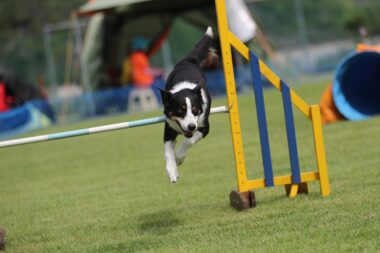
Physical activity extends beyond mere play; it’s essentially a core part of a dog’s life. Dogs thrive on routines, and consistent exercise session becomes a part of that structure. Engaging in daily walks ensures mental stimulation, interaction with new environments, and the opportunity to explore scents. This exploratory behavior helps stimulate a dog’s brain, fostering curiosity and learning, which is essential for mental health. Additionally, interacting with various stimuli during exercise enhances their adaptability to changing surroundings, which can reduce fears associated with unknown experiences. Socialization through playdates can also provide essential interaction, bolstering emotional intelligence among canines. Playing with other dogs allows them to learn social cues and boundaries, promoting emotional stability. Furthermore, creating scenarios where they can safely interact with diverse environments paves the way toward reducing anxiety and fostering confidence. Canine sports such as agility or obedience training introduce challenges and make exercise a fun game, increasing their zest for physical activity. Moreover, participation in structured activities promotes a sense of achievement, revealing the importance of balancing fun with mental challenges. Thus, integrating regular exercise into a dog’s daily routine is vital, nurturing their mental wellness and emotional balance naturally.
Benefits of Different Exercise Forms
Different forms of exercise provide varying benefits that cater to your dog’s overall health. Activities like jogging or running cater to high-energy breeds excellently. For example, breeds such as Border Collies and Jack Russell Terriers thrive on vigorous activities. Outdoor adventures like hiking allows dogs to explore nature, enriching their sensory experiences. Other calmer alternatives, such as swimming, provide an excellent workout for dogs with joint issues and are notably less strenuous. Swimming serves to build muscle while being gentle on the joints, beneficial for aging dogs. Furthermore, activities like agility training can significantly improve a dog’s problem-solving skills and boost their confidence. Interestingly, even obedience training can double as a form of exercise, combining mental and physical stimulation. In addition to direct health benefits, structured exercise routines contribute toward long-term behavioral improvements, leading to better manners at home. Not only is exercise crucial for physical health, but its multifaceted approach also significantly influences mental sharpness. Dogs who are engaged and stimulated through various activities are less likely to develop behavioral issues stemming from anxiety or restlessness. Overall, the incorporation of diverse exercise modalities enriches both their bodies and minds substantially.
Moreover, understanding the relationship between mental health and exercise is crucial for recognizing stress signals in your canine companion. Dogs often express discomfort or anxiety through behavioral changes, such as excessive barking or destructive behavior. Identifying these signs allows for timely interventions, ensuring their mental stability. Engaging them in interactive play or exercise during these moments can redirect their energy positively, showcasing the vital role of companionship. Furthermore, it’s important to recognize the balance required between energetic play and calming activities. High-energy workouts need to complement relaxation sessions thoughtfully. Incorporating slow-paced walks or gentle massage after high-energy exercise can help transitioning back into a calm state. Learning how to maintain that balance helps dogs recover from exertion and reduces stress levels effectively. Essential exercises would include hide-and-seek games or puzzle toys during calm periods to stimulate their minds after physical exertion. This journey towards balance ensures that dogs remain mentally sharp and physically fit. Additionally, as owner-dog teams practice mindfulness in their routines, both will value relaxation equally alongside playfulness, fostering an environment where both enjoy the exercise and thrive together. Ultimately, this serves as a holistic approach benefitting the entire household.
Creating an Exercise Schedule
Formulating an exercise schedule is paramount to ensure that physical activity becomes an integral part of your dog’s day. Consistency fosters habits, making your dog eager for daily exertion. Start by examining your dog’s needs based on their breed, age, condition, and lifestyle; subsequently, tailor activities to fit those requirements. Incorporating a mix of low and high-energy activities throughout the week encourages variety, reducing monotony. A well-structured plan might include short play sessions interspersed with longer walks or runs as the week progresses. Tracking your dog’s progress can also enhance motivation, maintaining excitement in your pet’s exercise routines. Positive reinforcement through treats or affection for participating in these activities adds an extra layer of encouragement. During bad weather, consider indoor solutions such as obstacle courses or interactive toys, ensuring exercise doesn’t halt. Additionally, engaging in social activities like group classes or dog parks provide stimulation and exposure to various dogs and people, beneficial for mental growth. Over time, this structured approach fosters a healthier lifestyle that benefits both ends of the leash, cultivating happiness for your canine friend and ensuring an active, fulfilling routine.
Furthermore, dog-friendly equipment and activities can substantially boost enthusiasm for exercise. Utilizing toys designed for fetching can promote more frequent outdoor play, igniting your dog’s love for physical activity. Interactive toys that dispense treats not only make playtime stimulating but also mentally engaging, ensuring exercise encompasses both body and mind simultaneously. Moreover, the rise of technology enables monitoring tools such as activity trackers, helping ensure your dog meets their exercise goals effectively. These devices can help ensure they receive adequate workout without overdoing it, tailoring exercise types as needed based on real-time information. If your dog enjoys companionship during exercise, consider joining community dog clubs or engaging in canine fitness classes. Such group activities not only promote social interactions for your dog but build friendships among owners as well. These community aspects bring about a shared sense of responsibility toward enhancing our pets’ health collectively. Ultimately, filling their lives with numerous engaging activities opens a world of benefits that create long-term habits leading to healthier, happier pets. A community built around mutual choices around exercise journeys promotes advocacy for active lifestyles.
Conclusion
In conclusion, the essential role of exercise in promoting dog mental health cannot be overlooked. It is vital, as it steers dogs away from anxiety disorders and destructive behavior, fostering emotional equilibrium. Regular physical activity also nurtures the bond between a dog and its owner, ensuring companionship, love, and mutual respect. When dogs remain active and engaged in their environments, they exhibit fewer signs of stress and anxiety. The mental wellness derived from regular exercise enhances their overall happiness, ultimately leading to a fulfilling life. Using structured exercise schedules provides predictability, making routines easier and enjoyable for dogs. Customizing activities based on a dog’s needs leads to powerful outcomes regarding their behavioral development. Healthy minds stem from healthy bodies, showcasing the intertwined nature of physical and mental health. Moreover, owners who engage with their dogs actively experience increased well-being too, indicative of the powerful bond that comes with shared activities. Prioritizing your dog’s exercise is an investment in their mental health, reaffirming the consequence of living a balanced life. As responsible pet owners, nurturing this balance creates a vibrant, joyful life for our four-legged companions.
Lastly, ceasing canine exercise routines can significantly impact mental health negatively over time. Dogs that are accustomed to regular exertion may develop behavioral issues when deprived of their needed physical activity. Shifting from an active routine to sudden inactivity can cause frustration and be detrimental to their emotional stability. Moreover, owners must remain observant, connecting changes in behavior with the exercise they receive. Both lethargy and hyperactivity can signal dissatisfaction with their routines. Avoiding these changes requires consistent exercise, suited to their evolving needs. Additionally, as dogs age, exercise routines must adapt accordingly, allowing gentle forms suitable for older joints to ensure continued engagement without stress. Recognizing the shared responsibility in maintaining these standards enables both owners and dogs to thrive in harmony. The emphasis on mental health serves as a reminder that neglecting physical activity disrupts more than just physical fitness. The engaging routines help build trust between owners and their pets, nurturing a positive atmosphere. In essence, concluding that an active lifestyle steeped in mutual enjoyment will reap benefits far beyond health—creating lasting memories and an enduring bond is paramount. Invest in your dog’s exercise regimen, and witness the transformation into harmonious companionship.