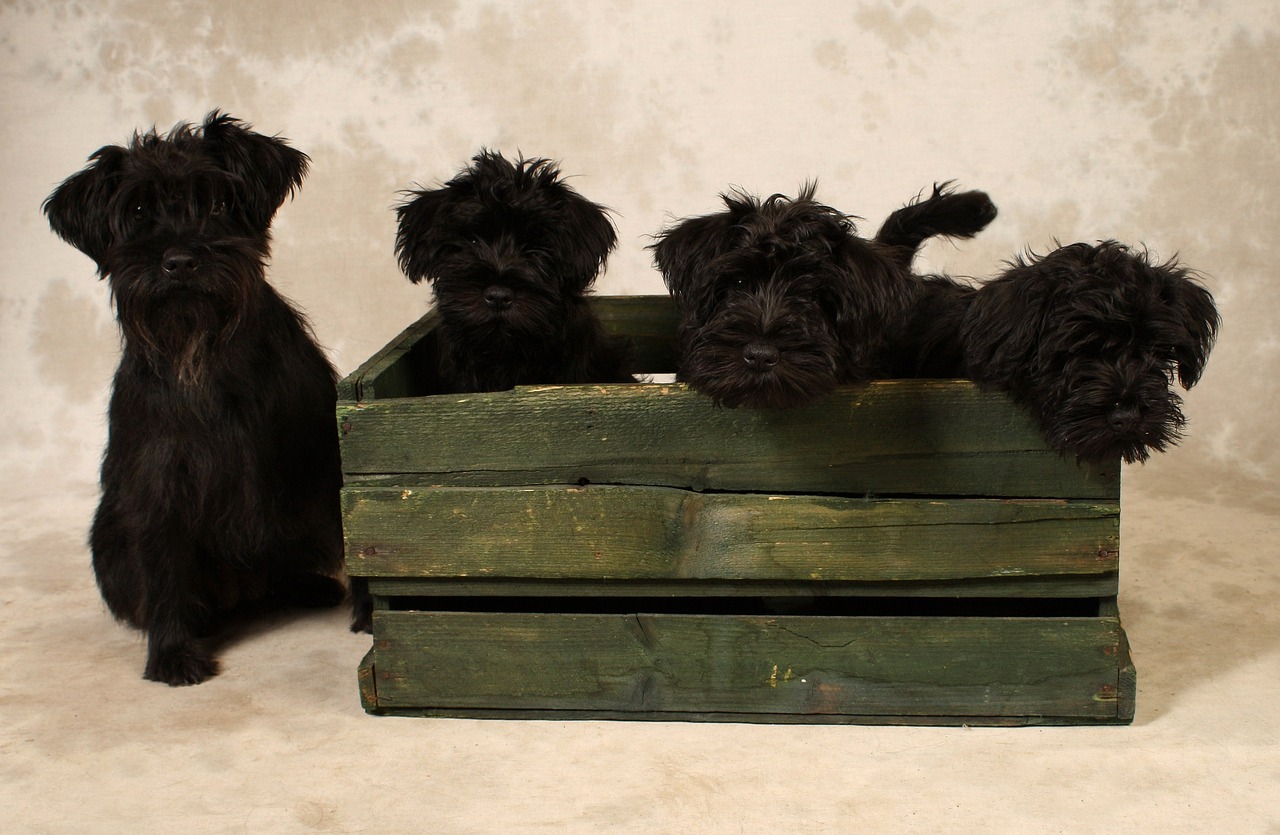

Tips for Introducing Your Dog to Their Travel Crate Before the Trip
Introducing your dog to their travel crate is a crucial step for a successful trip. Start by picking a crate that is appropriately sized. It should allow your dog to stand, turn around, and lie down comfortably. Place the crate in a common area of your home where your dog feels safe. Add familiar bedding or a favorite toy to make it inviting. Gradually encourage your dog to explore the crate. Use positive reinforcement such as treats or praise when your dog shows interest. Keep the crate door open initially, allowing your dog to enter and exit freely without feeling restricted. Spend time with your dog near the crate, playing or resting so they associate it with positive experiences. Gradually close the door for short periods while your dog is inside, ensuring they remain calm. If your dog shows signs of anxiety, give them a moment, and try again later. Consider taking short car rides with the crate so your dog can adapt to being in it while traveling. Over time, your dog will feel comfortable and secure in their travel crate.
Make crate training a fun and enriching experience for your dog. This means creating numerous opportunities for engagement, and utilizing techniques that keep your dog excited about their crate. Ensure each introduction to the crate is associated with a reward. Gradually train your dog by feeding them meals in the crate, enhancing their association with comfort and safety. Incorporating snacks and toys exclusive to the crate can increase the appeal. Rebuilding your dog’s confidence around their crate is essential for successful transitions; this includes using calming techniques, such as soft talk, pats, and offering familiar or comforting items. Monitor your dog’s reactions closely during this process for improvement signs. Allow for breaks during crate sessions to alleviate any stress. Over time, you can lengthen the time your dog spends in their crate before needing a break. Crate training takes patience—don’t rush the process. Understanding your dog’s individual temperament helps customize the approach for their needs. This can result in a stress-free travel experience. Being attentive to their needs eases transitions and supports positive associations, paving the way for calmer travels.
Encouraging Comfort in the Crate
Creating a comfortable environment in your dog’s crate promotes positive feelings about it. Begin by padding the bottom with soft bedding or towels, ensuring it feels cozy. Familiar scents, like your dog’s favorite blanket, can help alleviate anxiety. Introduce calming scents such as lavender to reduce stress during transitions. Ensure the crate is well-ventilated and located in an area that doesn’t feel isolated or overwhelming. Spatial orientation is significant; you might want to position it near the family’s usual activity spots. Gradually allow longer stays in the crate as your dog’s comfort level increases. Include favorite toys inside to engage your dog’s attention while they adapt. Consider using crate covers or blankets, providing a den-like atmosphere that can increase comfort and security. Monitoring your dog’s reactions as they adjust will help gauge their anxiety levels. Ensure the crate is never used as a punishment, which can create negative associations. Instead, focus on positive experiences that help your dog view the crate as a safe haven. Frequent positive reinforcements will build a lasting bond, ultimately benefiting your dog’s experience during travel.
Incorporating routines into crate training provides structure and reliability, benefiting your dog’s confidence and security. Routines should mirror your dog’s natural schedule; taking them out at similar times daily can be reassuring. Consistency can also affect crate times before, during, and after trips. Start gradually increasing crate time as your dog becomes more accustomed to it. High-energy dogs may need more playtime before entering their crate, allowing them to release pent-up energy and relax afterward. After playtime, guide your dog to the crate with a casual, but positive tone. Maintain a calm environment during the transition, which reassures the dog. Always reward your dog for entering the crate willingly, fostering excitement. You might want to avoid throwing treats inside, as this may incite anxiety when returning to a confined space. Instead, demonstrate calmness by leading them gently inside. This goes a long way in helping your dog feel secure. Emphasizing a positive crate experience helps determine your dog’s future with travel preparation. Routines build trust and familiarity, leading dogs to embrace crate time as part of their daily lives.
Selecting the Right Crate
Choosing the right crate plays an essential role in a successful travel experience for your dog. Various types of carriers are available, including soft-sided options and hard plastic varieties. The choice may depend on your dog’s size, breed, and comfort level. Measure your dog to ensure the crate is adequately sized, providing enough space for relaxation and movement. Research your travel needs; if flying, ensure your crate meets airline regulations. Consider getting a carrier with good ventilation, ensuring that your dog has adequate airflow during trips. Familiarity with the chosen crate promotes comfort too; introducing your pup to it beforehand can ease travel anxiety. Ensure the crate includes safety features, such as securing latches, which is crucial for safety during travel. If your dog likes to chew, opt for durable materials to withstand potential wear and tear. Evaluate features such as easily cleanable surfaces which are beneficial for travel. Prioritize a crate that allows proper access through a wide door. Understanding your individual dog’s needs will guide you toward making the best crate choices for enjoyable travels.
Preparing your dog for travel includes gradually acclimating to the travel crate. Taking short trips before your main journey can help establish familiarity with the crate while reinforcing confidence. Monitor your dog’s reactions, which will guide the duration of these initial trips. Start your car outings in a low-stress manner, allowing your dog to observe the environment from the safety of their crate. Accustoming them to the car environment also provides important context about travel. After returning home, let your dog relax in their crate for a bit, rewarded for their good behavior with praise or treats. Avoid forcing your dog into the crate, as this may incite fear or anxiety. Instead, make every interaction rewarding, associating the crate with pleasant experiences. Utilize various methods each time, keeping it interesting and fun. Gradually incorporating a travel routine also signals to your dog they will be securely transported. Continue reinforcing their security within the crate. Each successful outing can enhance their confidence, increasing the likelihood that they will adapt well during your actual trip, resulting in a positive experience.
Incorporating Crate Time into Travel Planning
Effective travel planning should encompass opportunities for crate training. Acclimating your dog to crate time is crucial for smooth travel experiences. Schedule crate training sessions leading up to the trip, allowing your dog ample time to adjust. Planning involves organizing breaks during the journey, offering your dog bathroom breaks and stretch opportunities. This is particularly important for long travels, easing discomfort and anxiety. Keeping the crate securely positioned in your car where movement is minimized enhances safety during travel. Pack essentials such as water, food, and travel bowls alongside your dog’s favorite items, ensuring comfort during breaks. Utilize frequent positive reinforcement during your travel times heavy in crate usage will foster a loving relationship with it. Select travel-friendly destinations, confirming pet policies beforehand, to avoid last-minute disappointments. Opting for accommodations that allow pets can significantly ease travel concerns. Regularly check on your dog during stops to ensure their comfort refining their experience. Travel should be enjoyable for you and your dog alike. Planning crate time into travel schedules helps your pet feel included and secure, paving the way for a positive vacation experience.
Ultimately, ensuring a smooth introduction to the travel crate for your dog is a journey worth pursuing. By focusing on positive experiences throughout the transition, you can remove anxiety associated with travel. Use all available resources, including professional training guides or advice, to navigate unique challenges that arise. Every introduction to the crate is an investment into your dog’s travel comfort. Thus, it’s imperative to remain patient and consistent. Consistently providing rewards, praise, and care creates lasting bonds between you and your pet. Celebrate small victories throughout this process to maintain motivation for training. Anticipate potential setbacks, as these are common during adaptations. Patience is key; allow time for growth in your dog’s confidence with the crate. Emphasizing safe, calming environments ensures a positive experience during travel. Including your dog in your travel plans by preparing them will create a traveler who is happy and secure. With each step, you and your dog become explorers of the world together, navigating new adventures with confidence. This foundation will allow you to enjoy memorable moments seamlessly, creating a delightful experience through shared journeys.