
Traveling With Your Cat: Ear Mite Prevention on the Go
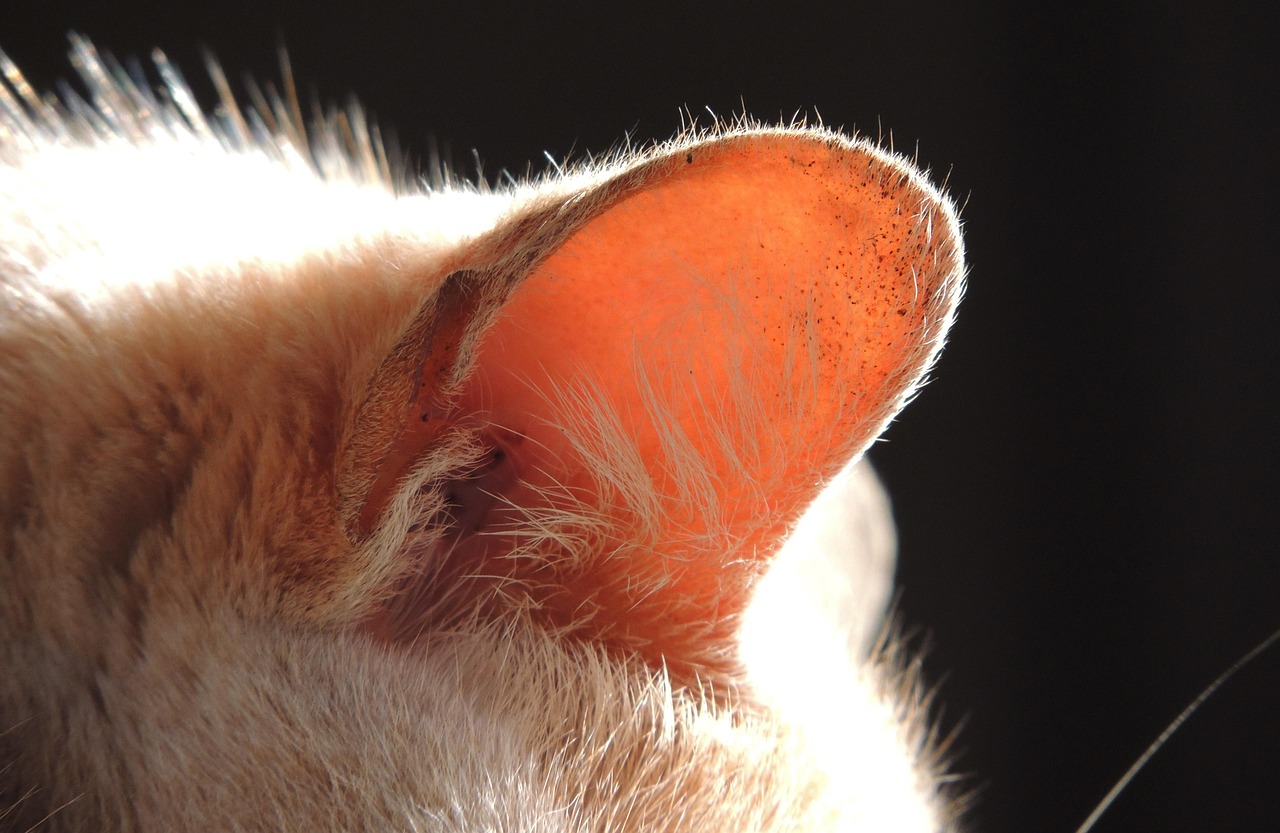
Traveling with your furry friend is one of the joys of pet ownership, but it does come with responsibilities. One of the most important considerations for cat owners is to protect their pets from potential health issues, and ear mites are particularly troublesome. Knowing how to recognize the signs of ear mites can help you catch them early, thus preventing severe discomfort for your cat. Symptoms include excessive scratching at the ears, head shaking, and dark, crumbly earwax. Regularly checking your cat’s ears, especially after travel, is essential for early detection. Also, keep a gentle ear cleaner handy during travels to maintain ear hygiene. It’s recommended to consult with your veterinarian before traveling if your cat has a history of ear mite infestations. This way, you can ensure you have a topical treatment to prevent outbreaks. Moreover, awareness of your surroundings while traveling is crucial. Avoid places that are known for high infestations of parasites, such as pet shelters or areas with feral cat populations. By being alert and proactive, you can help ensure your cat enjoys its travels without the nagging issue of ear mites.
Understanding how ear mites spread is vital during your travels. Ear mites can easily transfer from one cat to another, making it essential to minimize your cat’s contact with unfamiliar animals. If you’re staying in pet-friendly accommodations, try to ensure that your cat doesn’t come into contact with other pets. It’s wise to keep your cat in a safe space, away from areas where other animals might roam. Use proper bedding and towels that can be easily washed to avoid mite contamination. Always inspect your cat’s ears after visiting unfamiliar environments. Have your veterinarian provide preventative measures such as topical medications that help in warding off ear mites. During transit, make sure your cat is in a secure carrier to limit exposure to outside elements and other animals. Consider using portable carriers that can facilitate proper airflow and comfort. You can also carry a wellness kit containing ear cleaning solution and cotton balls for quick clean-ups. Have some treats handy, too, as this can create a positive experience while you’re checking their ears, making sure they’re comfortable and healthy through your travels.
Traveling Best Practices for Ear Health
When embarking on your journey, it’s crucial to ensure your cat is healthy before leaving. Start by scheduling a vet check-up to rule out any existing health issues, including ear mites. The vet can also provide necessary vaccinations and advice related to traveling. Before your trip, familiarize your cat with its carrier to minimize stress during travel. Consider short car rides leading up to the trip so that your cat slowly adapts to the enclosed space. In addition, maintain a consistent routine, including regular feeding, while traveling to help your cat feel secure. Create a travel schedule that incorporates regular breaks, allowing your cat to stretch and take care of its needs. During breaks, give your cat some time outside the carrier, but only in safe environments. Bringing along familiar toys and blankets can also ease the anxiety of traveling. Paying attention to your cat’s behavior during travel is essential; if you see discomfort or irritation, check for signs of ear mites immediately. Remember that a little preparation while traveling can aid significantly in ear health and overall comfort of your beloved feline companion.
When arriving at your destination, take the time to inspect your cat’s ears. This is crucial because unfamiliar environments can increase the risk of ear mites. Once settled, allow your cat to explore its surroundings by supervising its interaction with new areas. Establish a comfortable space with its belongings for the cat to retreat when feeling overwhelmed. If you notice any signs of scratching or discomfort in your cat, check the ears for any debris or unusual discharge. Ensuring proper hygiene is paramount; have a designated area for grooming and ear cleaning. Regularly clean your cat’s bedding and belongings to prevent mite infestations. Also, be mindful of where your cat plays—avoid areas with dirt potentially containing parasites. If your cat shows symptoms of ear mites or continues to scratch its ears extensively, consult a local veterinarian. All pets are susceptible irrespective of breed, making detection and treatment a priority. Taking these directives ensures a pleasurable journey with your furry friend while minimizing any health risks associated with ear mites that travel could bring.
Post-Travel Care for Your Cat
After returning home, maintaining your cat’s ear health doesn’t end. Continue with preventive measures to ensure ear mites don’t take hold. Start with a thorough examination of your cat’s ears after travel, checking for redness, irritation, or signs of scratching. Using a vet-recommended ear cleaner can help remove any wax buildup and keep ears dry. An ear mite infestation can be tricky, and if you suspect an issue, it’s essential to seek prompt veterinary advice. Regularly cleaning your cat’s ears post-travel can prevent any accumulative problems over time. Make ear inspections a part of your weekly grooming routine. This way, you can monitor any changes consistently. Consult your vet about necessary medications or treatments post-journey, especially if your cat is prone to ear infections. Understanding the risk factors is important; if you have multiple pets, reduce their interactions until you’re sure everyone is healthy. Any necessary precautions taken can avoid future infestations, ensuring your cat stays happy and content. Remember, the effort you put into ear health during travels can make all difference for your feline friend in the long run.
Lastly, staying informed about ear mite symptoms and treatments further enhances your cat’s well-being. Create a care plan focused on maintaining hygiene, fostering a safe environment, and scheduling regular check-ups with your vet. Understand that not all irritations are due to ear mites; allergies or infections could also mimic similar symptoms. Therefore, it’s essential to remain observant, bring all necessary information for your vet visits, and previously record any symptoms you’ve noticed. Share insights regarding recent travels and environment changes with your veterinarian. Your awareness sets the groundwork for effective treatments. Attend workshops or read informative guides about feline health to stay updated on best practices. Online forums or local pet communities can be valuable resources for sharing experiences and advice. Empower yourself with knowledge and take decisive actions when caring for your cat. Remember, proactive measures mean less stress for both you and your cat when traveling. And finally, maintain regular follow-ups with your veterinarian to ensure your feline remains in optimal health long after the trip has ended.
In conclusion, understanding how to prevent ear mites during travel is crucial for every cat owner. This way, you ensure your feline friend remains healthy and happy during your adventure together. Start by preparing your cat physically and mentally for the journey ahead. Being proactive, such as using preventative medications, cleaning ears regularly, and keeping an eye on your cat’s behavior, can equip you with the tools needed to prevent infestations. Moreover, ensuring a safe and clean environment is key to limiting exposure to ear mites. Acquainting your cat with their carrier and sticking to a familiar routine also helps mitigate stress. Build proactive post-travel habits that prioritize their ear health overtime. Finally, becoming an informed pet parent through continued education on feline health and parasite prevention enhances your competency in ensuring optimal wellness. Your dedication directly influences the quality of life for your beloved cat. Every effort made is a step toward preventing ear mite infestations, enabling you to share many journeys together without worry. Your cat deserves just as much adventure, comfort, and health along the way, with ear mite concerns being one less thing to fret over!
Furthermore, taking time for regular veterinary check-ins allows you to adapt health strategies as they age. Each cat is unique; their needs may change over time, so being attentive pays off greatly in ensuring their best health. Taking an active role in your cat’s welfare allows for a more enjoyable travel experience. After all, cats aren’t just pets; they’re family members who look to you for care and guidance. The bond you share becomes even stronger through shared experiences while on the go. Make every journey an adventure filled with fun, and amply support your cat’s needs before, during, and after trips. Safe travels enhance the joy of cat parenting, making each outing a cherished memory. Keep this guide handy during your travels so that you’re prepared to tackle any potential health issues that may arise. In doing so, your bond with your furry friend can remain healthy and enduring. Travel smart, travel safe, and explore the world together while keeping ear mites far away from your delightful jovial experience.