
Differences Between Hunting Patterns in Domestic and Wild Cats
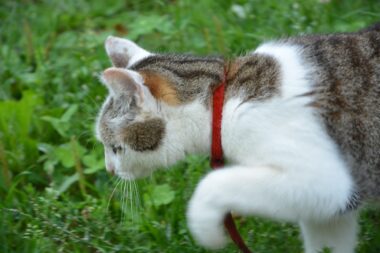
Hunting behavior is crucial for a cat’s survival and varies greatly between domestic and wild cats. Domestic cats rely on instinct; their behavior is shaped significantly by humans who provide food. They exhibit natural instincts despite being pampered. Wild cats, however, are apex predators. Their survival depends on their hunting skills, which are honed through experience and necessity. These differences are evident in their hunting styles, motivations, and efficiency. Domestic cats often practice stalking and pouncing, which is evident when they chase toys or insects. In contrast, wild cats must develop complex strategies and work collaboratively in some species to secure meals. The variations in hunting behavior also reflect environmental challenges; wild cats navigate diverse terrains, while domestic cats primarily hunt in homes or small yards. All these factors lead to differences in prey selection. While domestic cats might hunt small rodents and birds sporadically, wild cats focus on larger animals such as deer or pigs. This distinction plays a vital role in their physical prowess, instincts, and behaviors. Understanding these differences offers insights into their psychology and survival techniques.
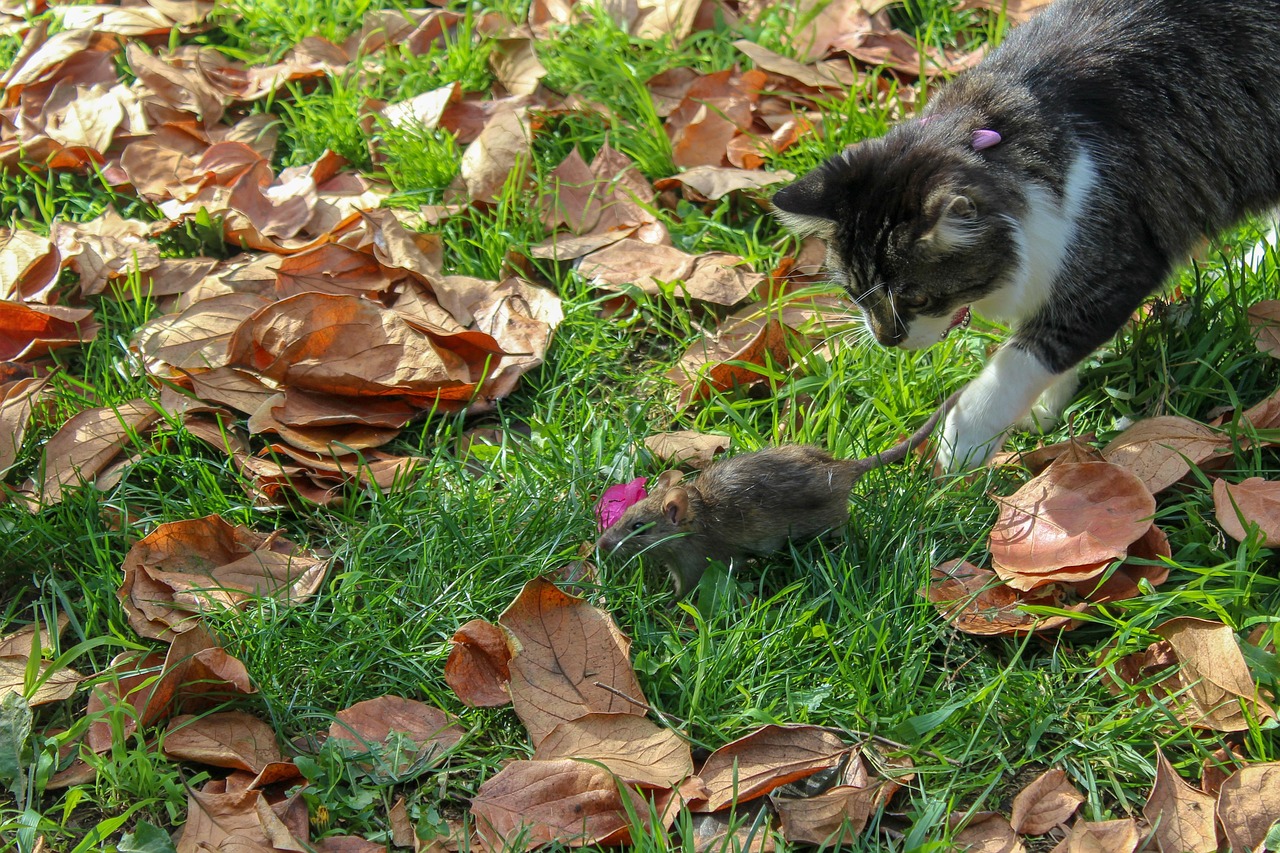
Hunting tactics differ significantly between domestic and wild cats, influenced by their respective environments. Wild cats, like lions or tigers, often hunt in groups to increase their chances of success. They utilize various strategies, including stalking and ambushing. For instance, felines like the cheetah rely on speed for short bursts when pursuing prey. On the other hand, domestic cats typically hunt alone and prefer smaller prey such as mice and insects. Although domestic cats may display similar predatory behaviors, these are often less refined than those of their wild counterparts. Their success rate is lower as they depend on food provided by humans. Despite this, domestic cats retain instinctual behaviors, showcasing a unique blend of wild instincts within a domestic setting. While they may playfully engage with their toys, this mimics hunting behavior learned from ancestors. Environmental factors, such as habitat and available resources, contribute to varying success rates in hunting. For instance, wild cats experience seasonal changes that influence prey availability, pushing them to adapt constantly. In contrast, domestic cats face few pressures, making their hunting instincts an interesting facet of their evolution as pets.
Both domestic and wild cats exhibit intriguing behavioral differences when hunting. Wild cats, being independent hunters, have sharp instincts honed by necessity. This creates a dynamic where survival relies heavily on skill and timing. Many wild cats, such as pumas and leopards, utilize well-developed strategies tailored to their environments. They assess their surroundings, identify potential threats, and choose the best approach for capturing prey. Conversely, domestic cats may not engage in extensive strategic planning; their instinct drives simpler hunting behaviors. This can include stalking or playfully pouncing without the serious intent to kill. The difference in mindset is stark, where wild cats often display patience and focus during the hunt. In contrast, domestic cats might approach hunting more as a game, often losing interest if not actively engaged. Psychological factors also play into this dynamic; wild cats are determined and exhibit stronger tendencies towards successful hunting outcomes. While they share a common ancestry, the divergence in hunting instincts aligns closely with their living conditions. Previous evolution and domestication lead to a contrast between aggressive hunting versus playful exploration in the domestic environment.
Implications of Hunting Behavior
The differences in hunting behaviors among domestic and wild cats have significant implications for understanding feline welfare. For instance, domesticated cats may develop behavioral issues if their predatory instincts are not adequately stimulated. Unlike wild felines that engage daily in hunting to survive, house cats often lack the necessary environmental challenges. This can lead to boredom and stress, resulting in unhealthy behaviors such as aggression or destructive tendencies. Providing enrichment through designated playtime, interactive toys, and climbing structures can alleviate stress and promote healthy hunting play. Wild cats, conversely, are subject to environmental pressures that encourage robust hunting practices. The lack of available prey can force these cats to adapt, altering their hunting strategies. Species like the lynx have learned to be more versatile based on the seasons and prey availability. Understanding these behaviors fosters conservation efforts, especially in protecting natural habitats and prey populations. Enrichment for domestic cats enables them to express their instincts better, ensuring a balanced and fulfilled life. Additionally, observing these behaviors opens a window into natural feline behavior that helps cat owners connect deeper with their pets.
Domestic cats often exhibit hunting behaviors influenced by their interactions with humans. Behaviorists suggest that these interactions are critical in shaping how domestic cats approach their predatory instinct. For instance, when playtime involves shirts or legs, domestic cats learn to associate human presence with hunting play, leading to the development of unique behavioral patterns. Still, while they naturally exhibit the chase-and-pounce methods of their wild counterparts, domestic cats generally focus their efforts on smaller, more manageable prey. Wild cats consistently adapt to diverse ecosystems, competing with one another for larger prey and territory. This continuous adaptation has created advanced hunting techniques, ensuring their survival trends vary greatly between species and environments. A fundamental differentiation exists, especially regarding group hunting tactics often utilized by wild felines. This method provides greater success rates, ultimately contributing to the species’ survival. As a result, observing both domestic and wild hunting tactics can provide a comprehensive understanding. While domestic cats may seem less predatory, their playful antics resonate with the complex skills learned and ingrained from their wild ancestry, providing vital insights for both behavioral study and domestication.
Conclusion: The Evolution of Hunting Instincts
In summary, the differences in hunting behaviors between domestic and wild cats highlight the profound effects of environment, lifestyle, and evolutionary pathways. Wild cats exhibit highly adapted hunting techniques that cater to survival and species continuation. Their instincts are amplified by necessity, whereas domestic cats often demonstrate behaviors shaped by contemporary living conditions and less demanding survival strategies. These variations in hunting instincts affect not just their approach to catching prey but also their overall behavior and interaction world around them. Additionally, understanding the behavioral distinctions contributes to more accurate assessments of feline welfare in household settings. As owners seek to foster healthy living conditions for their pets, acknowledging their instincts fosters enriching environments. Maintaining a balance between play and stimulation helps bridge the gap between the domesticated cat’s playful nature and the acute instincts of their wild relatives. Such awareness promotes a greater understanding of feline psychology, encouraging owners to embrace their cat’s unique attributes. Ultimately, these insights lead to better care, a more fulfilling existence, and deeper emotional bonds, thus enriching the lives of both cats and humans alike.
On a broader scale, recognizing differences between domestic and wild cats’ hunting instincts serves as an essential component of conservation efforts and animal welfare. Understanding how wild species operate within their environments can directly inform initiatives aimed at protecting habitats and preserving biodiversity. Such endeavors lend insight into the natural behaviors of cats, revealing critical aspects of their ecology. Additionally, fostering a better understanding of domestic cats’ instincts helps create environments that reflect their natural habitat needs. Owners learn to incorporate behaviors that resemble hunting instincts, providing opportunities for their pets to engage in these activities. Skills can translate to improved mental health outcomes and behavioral adaptations as home environments become enriched for cats. This serves to enhance the quality of life, fulfilling both the owners’ needs and the pet’s well-being. Comprehensive knowledge of these behaviors offers practical approaches towards veterinary and enrichment solutions that recognize both the similarities and differences between domestic and wild cats. Ultimately, an appreciation for their intricate behaviors deepens connections, enhancing both conservation and animal appreciation across species.
Exploring the varying hunting instincts found in domestic and wild cats provides valuable insights into the world of feline behavior and psychology. Cats, regardless of their environment, embody a complex tapestry of evolutionary traits. Understanding their hunting behaviors helps unravel the deep-rooted instincts inherent to these remarkable animals. By acknowledging their differences, we can tailor approaches that best suit their needs and promote well-being. Domestic cats should not be dismissed as mere pets; they exhibit sophisticated behaviors that reflect their ancestry and evolutionary history. Lessons derived from studying wild feline behavior can enhance our knowledge of domestic care and enrichment strategies, ensuring they live fulfilling lives. This exploration ultimately forms a vital link connecting natural instincts to domestic care methodologies we apply today. Observing kittens engage in their playful antics highlights the innate behaviors they carry, blending their ancestry with contemporary lifestyles. Each observation serves as validation of nature’s design, rooted in millions of years of evolution. Thus, fostering a deeper understanding of their behaviors nurtures both the cat-human relationship and our stewardship towards their wild counterparts, emphasizing the need for continued research and enrichment.