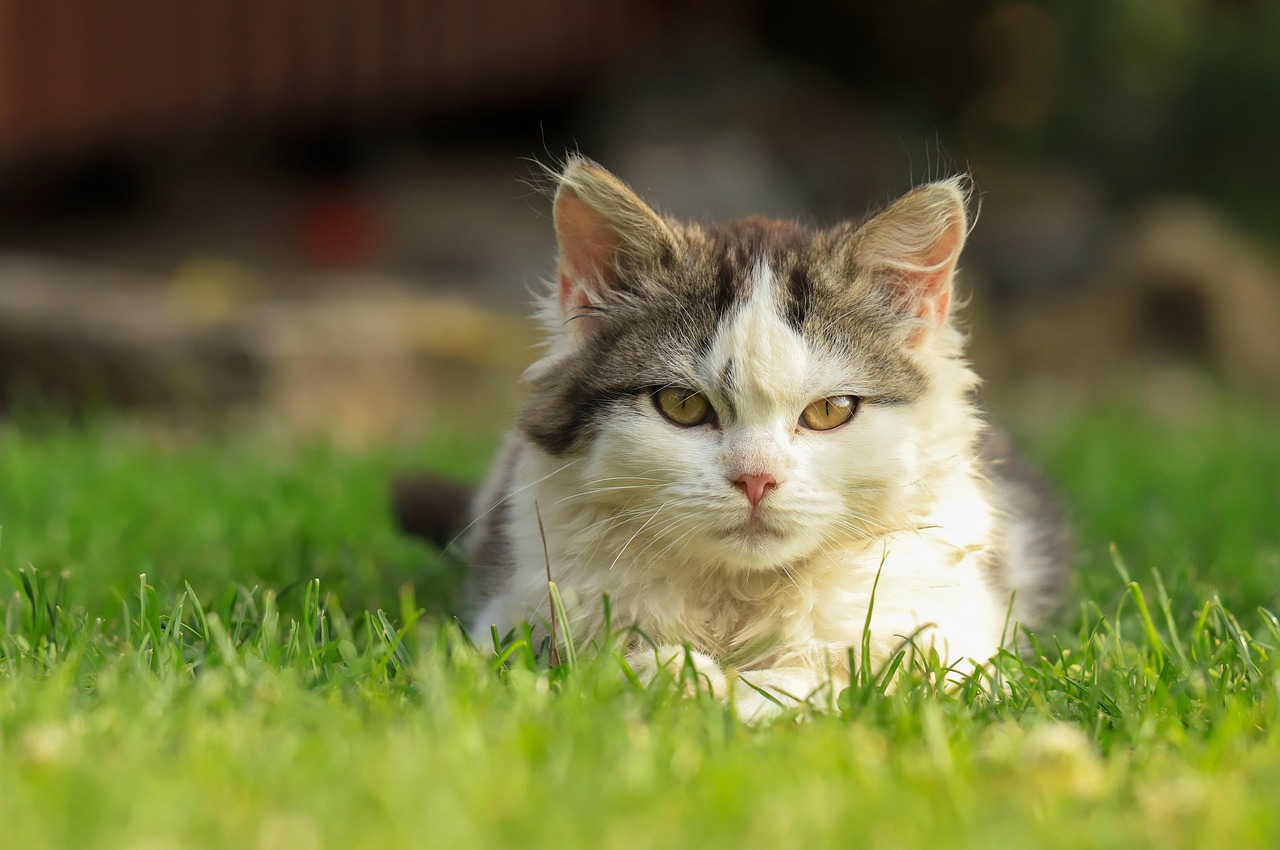

How Interactive Play Can Reduce Anxiety in Cats
Interactive play is crucial for the well-being of cats, particularly in managing anxiety. Anxiety can manifest in various forms, and when engaged in regular playful activities, cats can release pent-up energy and stress. By mimicking their natural hunting behaviors, such as chasing toys, cats can feel more in control of their environment. Engaging in playtime allows cats to exercise their physical skills while improving their mental health. Additionally, interactive play helps build a stronger bond between cats and their owners. Pet owners should make an effort to incorporate at least 15-20 minutes of interactive playtime into their daily routines. Toys that require the cat to pounce, chase, or hunt, such as feather wands or laser pointers, can be particularly effective. Not only does this playtime alleviate stress, but it also provides mental stimulation that keeps cats from becoming bored. Owners should look for signs of enjoyment, such as kneading, purring, or a playful demeanor, ensuring that their cats are actively participating in these enriching activities. By creating an environment where interactive play is prioritized, owners can foster a healthy emotional state in their furry friends.
Understanding how interactive play can ease anxiety in cats is essential for improving their quality of life. When cats are anxious, they often exhibit behaviors such as excessive grooming, hiding, or aggression. However, structured play sessions can help redirect these negative behaviors into positive ones. Engaging in interactive play promotes positive associations with different stimuli in their environment, making them feel safer. Owners can use various toys to encourage playful behavior, such as balls, small stuffed animals, and puzzle toys. It’s important to choose toys that stimulate the cat’s natural instincts. Creating a playful atmosphere allows cats to express themselves freely. While play helps alleviate anxiety, it’s equally vital that owners recognize when to seek professional help. If anxiety is severe, additional interventions may be necessary, such as behavioral therapy or medication. Nonetheless, incorporating play into the daily lives of cats should be a priority. This interactive form of exercise helps to maintain physical health and emotional stability. Moreover, regular play sessions provide a great opportunity for owners to engage with their cats meaningfully, further enhancing their bond through mutual enjoyment.
Establishing a routine for interactive play can significantly impact a cat’s anxiety levels. Predictability in their day-to-day schedule helps cats feel secure in their environment. By setting specific times for play, cats can anticipate these moments, which can be comforting. Consistency in the type and duration of play is also essential. This routine allows the cat to develop a sense of security, which is key for anxious pets. During these play sessions, owners should remain engaged and observant of their cat’s reactions. Utilizing different toys or changing the play setting can help keep things fresh and exciting. Incorporating new elements, like crumpled paper or moving furniture, can create a new interactive experience. Moreover, group play with other pets, when done safely, can further reduce anxiety. This offers them a chance to socialize and express their hunting instincts collectively. Owners should allow their cats to dictate the pace of play, enabling them to rest and take breaks as needed. This attentiveness helps reinforce trust between the cat and owner. Overall, creating a playful, predictable environment is essential in helping cats manage their anxiety through interactive play.
Paw-sitive Benefits of Playing
Engaging in interactive play offers numerous benefits beyond simply reducing anxiety. Regular playtime improves physical fitness, as it encourages cats to be active. A fit and healthy cat is less likely to experience obesity-related complications, which can exacerbate anxiety. Additionally, playtime can significantly improve a cat’s cognitive function. Puzzle toys that challenge their problem-solving skills can enhance their intelligence, contributing to emotional stability. Furthermore, successful interactive play instills confidence in cats. As they master hunting skills during play, they gain self-assurance. This increased confidence translates to decreased fearfulness, making everyday situations less anxiety-inducing. Play can also serve as a distraction during stressful events, such as parties or loud noises. By offering a safe outlet for their energy, owners can help their feline companions navigate their environment with more ease. Cats thrive on mental stimulation that encourages their natural predatory instincts. Therefore, combining physical activity with mental challenges creates a well-rounded enrichment experience. Resources such as animal behaviorists can provide insights on effective play activities tailored to individual cat personalities, ensuring optimized outcomes for reducing anxiety and boosting well-being.
It’s important to monitor a cat’s behavior during playtime to ensure a positive experience. Every cat has its distinct preferences and comfort levels concerning play. By observing their reactions, owners can identify what captivates their interest the most. Some cats may prefer chasing fast-moving objects, while others may enjoy stalking and pouncing on stationary targets. Engaging in cooperative games, where the owner participates alongside the cat, can also deepen their bond. Owners can customize their play sessions to fulfill their cat’s unique needs. It’s vital to pay attention to signs of overstimulation, such as hissing or swatting. If a cat appears stressed or overwhelmed, owners should pause the session and give them space. Providing opportunities for self-initiated play can also be beneficial. Toys that can be activated independently allow cats to engage at their pace. This fosters independence and confidence. Furthermore, having a variety of toys available can ensure that the cat doesn’t become bored. Keeping the play environment safe and free from hazards is essential to prevent injuries. By tailoring interactive play to individual preferences, owners can maximize its effectiveness in reducing anxiety while enhancing overall happiness in their feline companions.
Creating a Safe and Fun Environment
A safe and engaging environment plays a crucial role in the effectiveness of interactive play. Owners should remove any obstacles, such as sharp objects or heavy furniture, that could cause injury during play. Incorporating climbing structures and scratching posts can stimulate the cat’s natural instincts and provide environmental enrichment. This encourages exploration and movement. Cats enjoy heights, and vertical spaces can also serve as retreats for anxious cats needing quiet time. Moreover, ensuring a clean and stimulating environment is essential. Toys should be regularly sanitized to prevent infections and replaced as needed to maintain interest. In addition to physical cleanliness, creating a calm atmosphere can set the tone for playtime. Reducing loud noises and commotion in the house, especially during play sessions, allows cats to feel more at ease. Moreover, incorporating natural elements, such as plants or trees, can enhance the environment and stimulate glass-wall views of birds or other animals outside. Such enhancements provide mental stimulation and create opportunities for interactive exploration. Overall, fostering a safe and inviting environment ensures that interactive play becomes a meaningful and enjoyable part of a cat’s daily routine.
Interactive play serves as an excellent way to engage both cat and owner, thereby benefiting both parties. While the focus may be on reducing anxiety in the cat, it also offers stress-relief for the owner. The joy and entertainment that come from playing with a pet can greatly enhance the human experience. Providing mental and physical exercise for a cat allows owners to enjoy quality bonding time. In turn, these shared moments can significantly strengthen their bond, which is vital for emotional satisfaction for both. However, owners should always consult with veterinarians when introducing new activities if their cats have existing health issues. Overall, fostering a playful relationship fulfills both the cat’s need for agility and stimulation and the owner’s need for companionship. By understanding the importance of these interactions, owners can better appreciate the therapeutic benefits of play for their beloved pets. As a result, they may find themselves happier and more connected to their furry friends. Such dynamic interactions not only enhance the wellbeing of the pet; they also create lasting memories and joy for both the cat and its owner. Enhancing the environment is a crucial part of reaping the full benefits of interactive play, making it an essential practice.
In conclusion, interactive play is a powerful tool for reducing anxiety in cats. By engaging in regular and purposeful playtime, owners can help their cats feel secure, confident, and emotionally stable. This practice not only benefits the cat’s mental health but also strengthens the bond shared between pet and owner. Owners should prioritize interactive play as a form of enrichment that contributes positively to their cat’s emotional and physical wellbeing. The power of play can transform an anxious cat into a more relaxed and playful companion. Furthermore, as new toys and activities continue to emerge, there are endless opportunities to keep the experience engaging and refreshing. Owners should remain adaptable and be willing to experiment by introducing various interactive elements into playtime. Ultimately, the goal is to create a trusting environment where the cat feels at ease to express itself freely. By fostering a lifestyle centered on interactive play, the anxiety levels of cats can significantly decrease, leading to happier and healthier feline companions. In this journey, both cat and owner can thrive on the joy, companionship, and mutual understanding that arises from regular interactive play.