
Safe Play and Training: Combining Fun with Safety
When training dogs, it’s crucial to prioritize their health and safety. A structured approach ensures that both trainer and dog have a positive experience. Begin with a thorough check of the training environment, removing any hazards that may pose risks. Look out for sharp objects, toxic plants, or slippery surfaces. Setting boundaries like designated play areas helps dogs understand safe zones. Socialization during training is essential, yet it should occur under controlled conditions. Ensuring that playmates are vaccinated and healthy can prevent the spread of diseases and infections. Always keep an eye on your dog’s behavior; recognize signs of stress or fatigue. When dogs exhibit discomfort, it’s vital to pause the training. Additionally, consider the weather. Extreme temperatures can affect dogs significantly. On hot days, provide plenty of water and breaks in the shade. Cold weather training necessitates appropriate gear, such as dog coats. Regular vet check-ups will also help identify any underlying health issues that could compromise their safety during activities. By following these guidelines, you can create a safe and enjoyable atmosphere for your dog during training sessions.
Understanding dog body language greatly contributes to safety during training. Dogs communicate in various ways, often expressing discomfort or distress before aggressive behavior. Observing signs such as growling, lip lifting, or rigid posture can help trainers recognize potential problems. If a dog shows these tendencies, it’s crucial to reassess the training session; perhaps take a break or move to a quieter location. Encouraging calm behavior through positive reinforcement solidifies the bond between trainer and dog. Rewarding desired behaviors builds the dog’s confidence in training environments. Also, practicing commands like ‘sit’ or ‘stay’ aids in gaining control during dynamic situations. Another essential aspect is monitoring your own emotions. A trainer’s anxiety or frustration can transmit to the dog, impacting their behavior. Remaining calm and patient facilitates a better learning atmosphere. Incorporating breaks into training sessions prevents physical exhaustion for both the trainer and the dog. These pauses provide opportunities for social interaction and reinforcement. Hydration is crucial as well; ensure water is accessible at all times. By fostering an understanding of canine communication, one cultivates a happier and healthier training environment.
Incorporating Exercise into Training
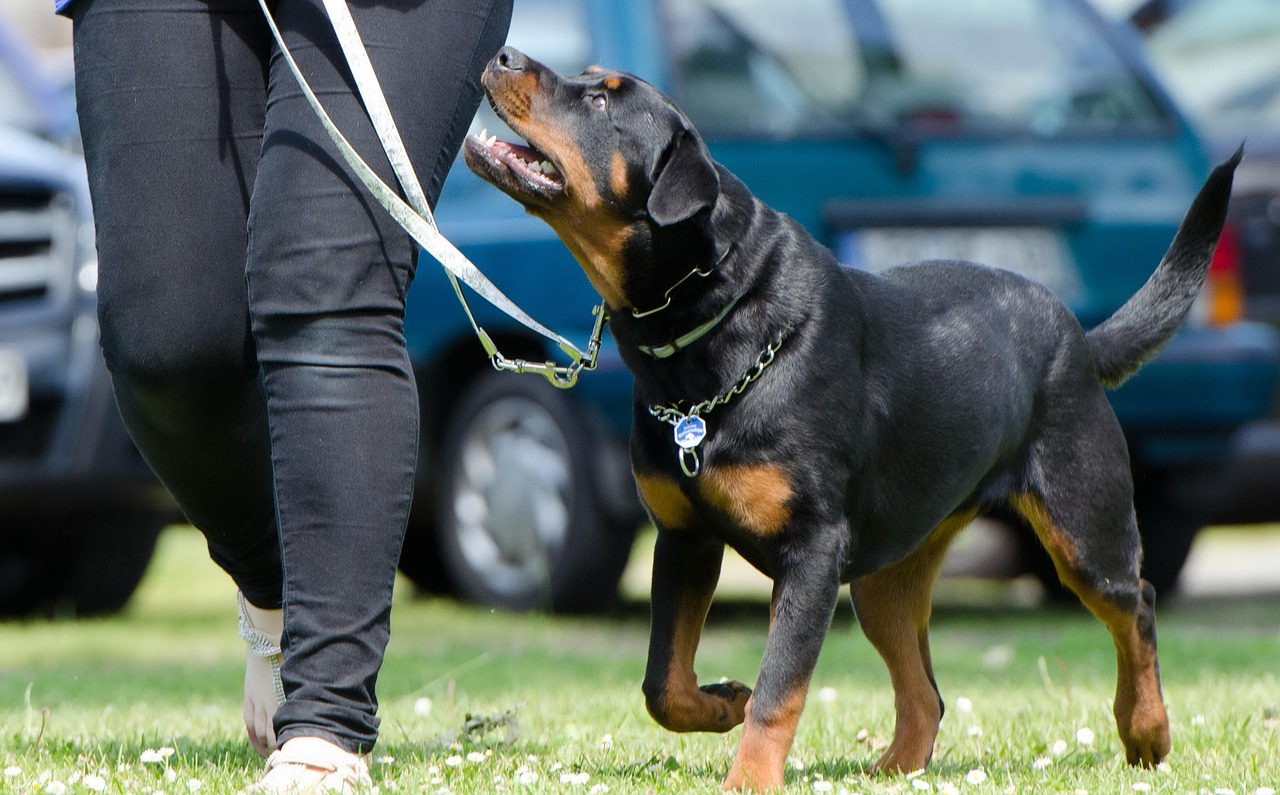
Physical exercise is imperative for maintaining a dog’s health, and integrating it into training optimizes learning experiences. Active training sessions often yield better results, as dogs with pent-up energy find it challenging to focus. Engage in short bursts of play interspersed with training commands. Activities like fetch or agility courses can blend fun with skill reinforcement effectively. Always balance off-leash playtime with supervised environments to prevent accidents. Adhere to leash safety protocols to ensure proper control even during exciting games. Use harnesses for better grip and to avoid neck strain, especially in powerful breeds. Gradually increase the complexity of tasks to promote cognitive engagement alongside physical activity. Working on tricks or obedience commands while walking enhances focus and discipline. It helps develop a strong connection between trainer and dog in real-world situations. Adjust activities based on your dog’s age, health, and breed characteristics. Remember, older dogs may require gentler exercises while younger dogs might need more vigorous activities. Ultimately, finding the right mix of play and training results in happier, healthier dogs.
Safety gear plays a significant role in keeping dogs protected during training sessions. Invest in products designed for the specific activities you plan to engage in. For instance, protective booties can shield paws during rough terrain excursions. Additionally, when participating in agility or other sports, consider collars that minimize the risk of injury. Reflective gear is essential for evening training, increasing visibility and ensuring you’re seen by passing vehicles. This added layer of safety is crucial in busy areas. Always check gear periodically for wear and tear. Faulty equipment can lead to unfortunate accidents. For water activities, life vests for dogs enhance safety and buoyancy, especially for breeds that struggle with swimming. These products help instill confidence in dogs that are less adept in the water. Practicing training commands with gear helps familiarize the dog with them, making transitions smoother. Lastly, educating yourself on first aid for dogs can be invaluable in case of emergencies. Being prepared can save lives. Making safety a priority not only protects dogs but also creates a more enjoyable training experience.
Evaluating Dog Health for Training
Monitoring your dog’s health is paramount to ensure they are fit for training sessions. Before embarking upon any rigorous training, schedule a vet visit to assess their overall well-being. Joint health is particularly important for active dogs, as strains or injuries can lead to long-term discomfort. Consult your veterinarian about vaccinations; staying up-to-date protects both your dog and others during training. Regular health assessments can also reveal underlying problems that may hinder performance. Pay attention to your dog’s diet and hydration; proper nutrition fuels energy levels necessary for productive training sessions. Maintaining an ideal weight alleviates strain on joints, enhancing agility and stamina. Observe your dog’s behavior closely for any changes; lethargy or reluctance to participate can signal health issues. Ensure your dog is mentally stimulated by varying training methods. Engaging dogs in new experiences keeps them sharp and focused. Exercising their minds along with their bodies creates a balanced and enriched training experience. Ultimately, understanding and caring for your dog’s health ensures safer, more enjoyable training adventures.
Utilizing positive reinforcement techniques greatly enhances safety by promoting trust between trainer and dog. Positive reinforcement entails rewarding desirable behaviors with treats, praises, or playtime, fostering a positive association. This method reduces the likelihood of fear or aggression responses in dogs, making training sessions less stressful. Consistency in rewards and commands provides clarity, leading to quicker learning. When planning sessions, ensure that reinforcements are immediately given following the command. This association strengthens the desired behavior and encourages repeat performances in the future. It’s also essential to vary rewards to maintain your dog’s interest; alternating between treats, praise, and play keeps training engaging. Be mindful of your tone of voice. An encouraging and upbeat approach further motivates dogs to perform well. Avoid using physical corrections as a means of discipline; negative methods can lead to confusion or fear. A solid foundation based on trust and respect ensures that dogs feel secure in trying new commands. Take time to enjoy the process, celebrating small successes along the way. This positive atmosphere contributes to a safer and more effective training environment.
Fostering a Safe Environment for Socialization
Promoting socialization is crucial for developing a well-adjusted dog. Ensuring that interactions with other dogs and people occur in controlled environments enhances safety. This controlled approach helps prevent overwhelming experiences that might instill anxiety or fear. Start with one-on-one interactions with friendly dogs. Observe body language carefully, ensuring all dogs involved are comfortable during introductions. Gradually progress to small group settings while monitoring overall behavior. Keeping training sessions brief prevents excessive excitement that may lead to stress. Always provide safe spaces where dogs can retreat if they feel overwhelmed. This is paramount, especially in environments with many stimuli. Positive experiences during socialization sessions build confidence and enhance overall behavior. Engage puppet play or toys to facilitate interactions—these elements can provide healthy distractions. Also, consider enrolling in training classes where socialization is a primary focus. Professional trainers can guide interactions and provide crucial guidance on managing behavior. It’s vital to educate yourself about canine body language to distinguish between friendly play and potential aggression. Therefore, a gradual, careful approach ensures a safe and enjoyable social experience for dogs.
In conclusion, ensuring safety during dog training requires attention to various factors. Consistent evaluation of health, environment, and behavior plays a vital role in successful training. Providing a positive experience for both trainer and dog enhances learning outcomes while fostering a strong bond. Remember, each dog is unique; tailor your training methods to suit their individual needs. By prioritizing safety in all aspects, you can create enjoyable and productive training sessions that benefit everyone involved. This proactive approach not only enhances the dog’s skills but also nurtures their overall well-being. Continuous education on safety protocols, health assessments, and positive reinforcement strategies deepens understanding and efficacy in training. This ongoing focus also helps in recognizing signs of distress early on, allowing for prompt intervention. Building a safe training routine can ultimately lead to a well-mannered dog who is confident in their abilities. Additionally, a well-structured training plan keeps owners engaged and motivated. Ensuring a safe and fun environment invites growth, learning, and development each step of the way. Therefore, integrating safety practices into training becomes an essential aspect of dog ownership.