
The Role of German Shepherds in Police and Military Work
German Shepherds have long been recognized for their outstanding abilities in police and military work. These highly intelligent and versatile dogs are originally bred in Germany for herding sheep and protecting them against predators. Their keen sense of smell, strength, and agility make them the ideal candidates for various law enforcement tasks. Police organizations around the world utilize German Shepherds in several areas, including search and rescue operations, drug detection, and apprehending suspects. Their adaptability to different environments further enhances their effectiveness in the field, allowing them to perform under stress and unpredictable situations. Police K9 units employ these dogs for tracking down fugitives and locating missing persons successfully. Additionally, German Shepherds are valuable assets in military roles, serving in combat situations, non-combat operations, and intelligence missions. They are trained to detect explosives and provide support to soldiers in diverse environments. Furthermore, their loyalty and protective nature instill confidence and security in their human partners, creating a powerful bond that enhances teamwork and efficiency. Overall, German Shepherds exemplify the perfect blend of strength and loyalty, making them irreplaceable in police and military sectors.
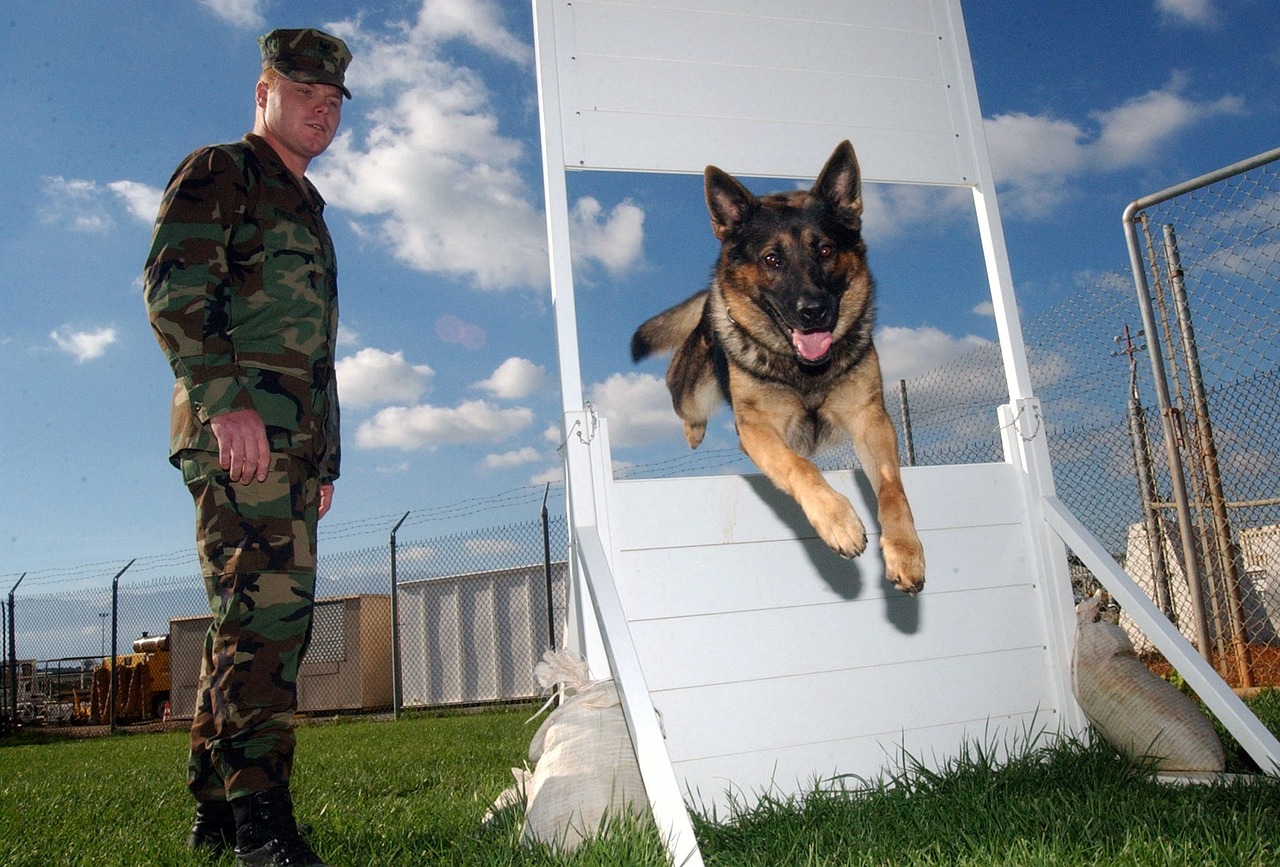
The training process for police and military German Shepherds is comprehensive and rigorous. Each dog undergoes specialized training that focuses on their inherent capabilities as well as how to handle various scenarios that they may encounter in the field. Basic obedience training constitutes the foundation, ensuring that the dogs respond reliably to commands and maintain discipline. Once they master these fundamental commands, they can progress to advanced training techniques that involve scent detection, tracking, and protection. They learn to identify specific scents, such as narcotics or explosives, under demanding conditions. Additionally, the physical conditioning of these dogs is paramount, as they require the strength and stamina to navigate challenging terrains and endure long hours of duty. Handlers also undergo training to foster a strong synergy between them and their canine partners. Together, they must learn about each other’s behaviors and instincts to function effectively. This harmonious relationship is crucial for successful operations, with the dog’s instincts complementing their handler’s decisions. Overall, extensive training prepares German Shepherds to perform various essential functions that benefit law enforcement and military personnel significantly, showcasing their value as working dogs.
German Shepherds also play a vital role in community policing efforts, enhancing public safety through visibility and interaction. The presence of these well-trained dogs not only assists in law enforcement operations but also fosters a friendly relationship between the police force and the community. This interaction breaks down barriers, as people often feel more comfortable approaching officers accompanied by a dog. Furthermore, the sight of a police dog can deter crime and promote a sense of safety, especially in high-crime areas. During public events or gatherings, K9 teams can demonstrate their skills, showcasing the positive role that dogs play in law enforcement. Such demonstrations not only serve an educational purpose but also create a sense of community pride. Often, children are eager to meet and interact with the dogs, fostering a future generation’s respect for law enforcement. Additionally, these interactions help dispel myths about police dogs as merely aggressive creatures; rather, they highlight their intelligence, training, and affection towards humans. Thus, German Shepherds contribute significantly to community engagement and the overall positive image of law enforcement agencies, promoting collaboration between officers and citizens.
Health and Care of Working Dogs
Ensuring the health and well-being of German Shepherds in police and military roles is essential for their performance and longevity. Like any working dogs, they face significant physical demands, which necessitate a comprehensive care regimen to keep them fit and ready for duty. Regular veterinary check-ups play a crucial role in monitoring their health and addressing any emerging issues early. Proper nutrition tailored to their activity levels helps maintain their physical condition, providing the necessary energy for tasks. Furthermore, training should incorporate a balance of physical and mental stimulation; dogs thrive with healthy challenges that engage their minds. Regular exercise through play and drills keeps their bodies active and prevents obesity. Additionally, mental health cannot be overlooked; social interactions with handlers and exposure to varied environments contribute to a well-rounded personality. Injury prevention is also a priority, with handlers trained to recognize signs of over-exertion or stress in their dogs. Each dog’s individual needs must be assessed to create a tailored care plan that supports their unique capabilities and enhances their effectiveness in service roles. Overall, a combination of physical care, nutrition, and mental engagement sustains the well-being of German Shepherds, ensuring their readiness for duty.
German Shepherds have gained recognition not just for their physical prowess but also for their remarkable mental capabilities. Their ability to learn complex commands and adapt to changing environments sets them apart from many other breeds. This intelligence benefits their police and military work significantly, as handlers can train them for specialized tasks that require critical thinking. The learning process involves various methods, including positive reinforcement as a training technique to improve responsiveness and encourage desired behaviors. Handlers often utilize toys or treats as rewards during training sessions, which strengthens the bond between the dog and the trainer. Moreover, German Shepherds excel in social intelligence, helping them interpret human emotions and respond appropriately to different situations. Their natural instincts to protect and serve allow them to work alongside human partners seamlessly. In high-pressure scenarios, they can assess the atmosphere and respond with the appropriate level of aggression or restraint. Many handlers report that their dogs possess an innate ability to sense threats, making them invaluable assets in precarious situations. Therefore, the combination of intelligence, trainability, and instinctual behavior establishes German Shepherds as premier working dogs in police and military organizations.
Challenges Faced by Police K9 Units
Despite their strengths, German Shepherds and their handlers face a variety of challenges in police and military settings that can impact their overall effectiveness. One significant issue is the physical and mental strain placed on these canine partners. Long hours spent working can lead to exhaustion and ultimately affect their performance. Moreover, the nature of their duties often exposes them to dangerous situations, which can result in injuries, both physical and psychological. Handling the stress of high-stakes environments requires special training and coping mechanisms for both dogs and their handlers. Another pain point is the potential for public misunderstanding; some individuals may perceive aggressive behavior from a working dog as purely hostile. Additionally, the importance of having support from the community cannot be overstated. Awareness campaigns and engagement initiatives are essential in cultivating a respectful understanding of the role of police dogs. Furthermore, logistical issues such as funding for specialized training and equipment often present obstacles for law enforcement agencies. Addressing these challenges necessitates collaboration between authorities, trainers, and community members to ensure the continued success and welfare of German Shepherds in these critical roles.
German Shepherds have indeed established their positions as indispensable assets in modern law enforcement and military operations worldwide. Their remarkable versatility enables them to be deployed for various roles, including tracking, protection, and detection. These functions vary depending on the specific needs of police departments or military branches. For instance, dogs trained in narcotics detection help intercept drug trafficking operations, while others focus on search and rescue missions within disaster-stricken areas. The adaptability of German Shepherds allows them to thrive in diverse environments, whether urban or rural. The foundation of their success lies not only in their physical abilities but also in their unique bond with human handlers. Their loyalty and unwavering dedication foster teamwork that can be pivotal in stressful situations. These relationships also enhance communication on the field, as dogs learn to anticipate their handlers’ needs. The commitment to maintaining high training standards and equipment ensures that these dogs remain at the forefront of operational effectiveness. Additionally, their presence often serves as a powerful deterrent against crime, reinforcing public trust in law enforcement. Thus, the enduring legacy of German Shepherds in police and military work reflects their contributions to safety and security in society.
In conclusion, the role of German Shepherds in police and military work extends beyond mere functions—they embody a symbol of partnership, loyalty, and dedication. These exceptional dogs have proven time and again their capabilities within high-stress environments, showcasing their adaptability and unwavering commitment. As German Shepherds continue to serve as the backbone of many law enforcement agencies worldwide, their training and care remain paramount to their success. By investing in proper health care, ensuring mental stimulation, and fostering positive relationships with their handlers, these dogs can thrive in their demanding roles. Community understanding and support pave the way for successful interactions between police K9 units and citizens. Furthermore, continued research and recognition of both the needs of working dogs and the challenges they face are essential for their effective deployment. Highlighting their achievements and maintaining high training standards are critical for their future development. Ultimately, German Shepherds exemplify the synergy between humans and animals in security disciplines, embodying traits that resonate with the ethos of law enforcement and military institutions—trust, strength, and bravery. Their legacy will undoubtedly continue to impact our lives for years to come, as they serve and protect our communities with unparalleled loyalty and skill.