
Using Natural and Emergency Medications for Cats: What You Should Know
When it comes to administering medications to your cat during an emergency, it is crucial to understand the options available. Natural and emergency medications can provide quick relief and address symptoms effectively. Always consult with your veterinarian first to ensure that you are choosing the best medicine for your pet’s needs. Familiarize yourself with common emergency situations where medication may be required. For example, cats might face allergic reactions, poisoning, or significant pain that necessitates immediate treatment. Knowing the signs and symptoms of these issues can help you act quickly. Additionally, keeping a well-stocked pet first aid kit enhances your preparedness. Consider including various medications, like antihistamines, activated charcoal, or sedatives, depending on your vet’s guidance. Another essential aspect is to ensure that any medications you use are safe for feline consumption. Accidental overdoses or wrong medications can lead to severe side effects or worsen the condition. Ultimately, remain calm and provide comfort to your cat during emergencies. Your ability to respond promptly and with the right medication can significantly impact your feline friend’s recovery.
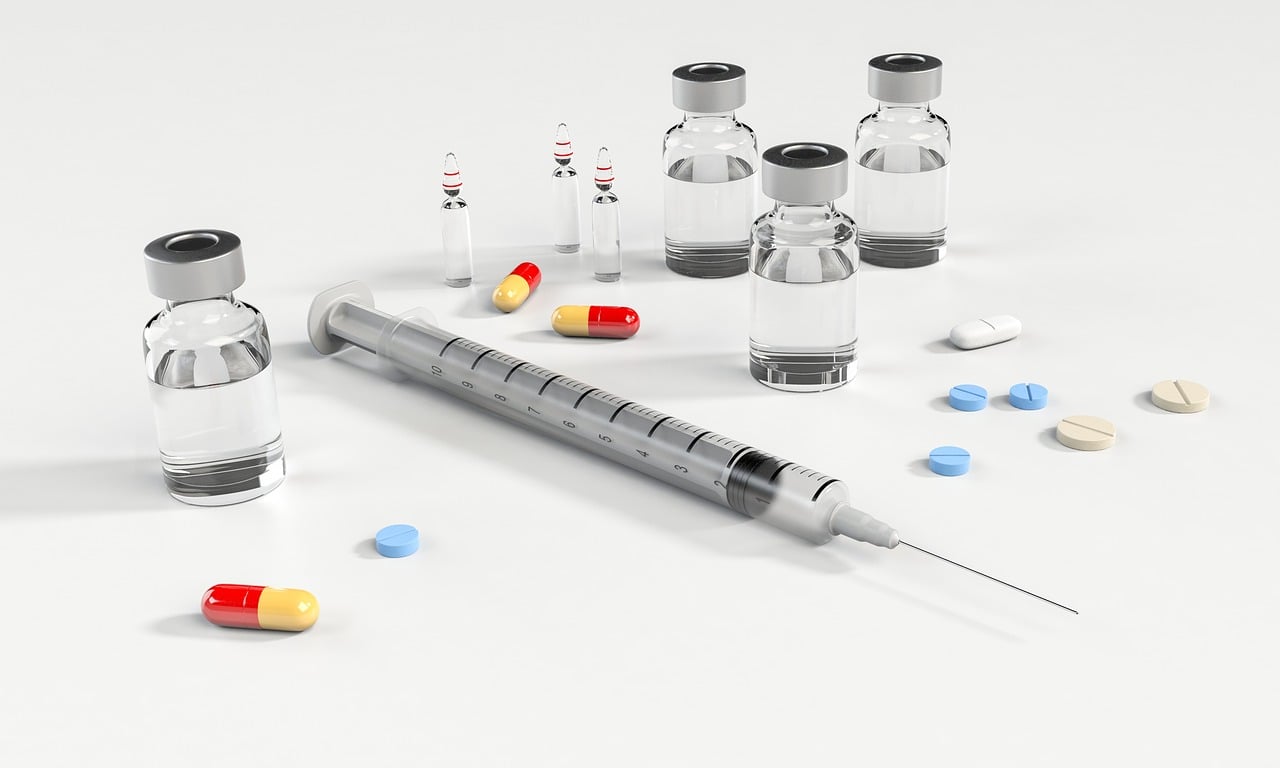
Administering medications, especially emergency treatments, can be challenging due to a cat’s natural instinct to resist. Successful administration often requires patience and confidence. Begin by creating a secure and comfortable environment where your pet feels safe. Gently restrain your cat if needed to prevent sudden movements. There are various methods for administering medications, such as pills, liquid solutions, and injections. For pills, hiding them in a tasty treat may encourage ingestion. If that fails, placing the pill directly into your cat’s mouth followed by water can also work. Liquid medications may require a syringe for precise delivery, making it easier for you to control dosage and avoid spills. In emergency cases, injections may be necessary, but this should only be done by trained individuals. Furthermore, consult your veterinarian for demonstrations on proper techniques. Remaining calm while handling your cat is essential, as any panic or anxiety could transfer to them. Always monitor your cat’s reaction after giving medication and report any side effects to your vet. The goal is to ensure your furry friend receives the help it needs with minimal stress during these critical times.
The Importance of Natural Remedies
Natural remedies offer significant advantages for cats experiencing mild health issues. Many pet owners seek these alternatives to reduce the need for pharmaceutical drugs. Some common natural remedies include herbal treatments, homeopathic options, and essential oils suitable for feline use. However, knowing which remedies are safe and effective is paramount. Always discuss with your veterinarian before introducing any new treatments, especially if your cat is already on medication. For stomach issues, ginger or peppermint can be beneficial. For anxiety relief, natural calming supplements like chamomile may help. Consider using products specially formulated for feline characteristics, ensuring their safety and efficacy. Additionally, it is crucial to educate yourself about potential allergies or reactions your pet may have to certain natural substances. Some essential oils, for instance, can be toxic to cats. Having a solid understanding helps avoid complications during treatment. When also used alongside conventional treatments, natural remedies may enhance overall health and well-being. Overall, taking a holistic view when considering your cat’s health will create a more suitable environment for healing.
In emergencies, not all conditions require medicines; some might need immediate veterinary care instead. Recognizing when to administer medication versus seeking professional help is vital. For instance, if your cat experiences difficulty breathing, unresponsiveness, or potential poisoning, contacting your veterinarian is crucial. Always keep your veterinary clinic’s emergency contact information handy. They may provide specific first aid instructions over the phone while guiding you on what to do until help arrives. Prepare to provide the clinic with as much information as possible. This might include your cat’s age, medical history, and the potential cause of the emergency. In instances of poison ingestion, keeping the packaging can be beneficial for the vet’s assessment. Managing symptoms effectively prior to gaining professional assistance can help. Using activated charcoal may reduce toxin absorption if safe, but always consult first. Similarly, using itemized checklists for common emergencies can ensure you’ve got the necessary supplies and contact information available. Lastly, remaining calm facilitates better communication and decision-making, enabling you to act effectively in those high-pressure situations.
Preventive Measures and First Aid Kits
Being prepared can greatly minimize the need for emergency medications. Preparing a comprehensive first aid kit for your cat will ensure you have the essentials readily available during emergencies. A well-stocked kit might include bandages, antiseptic wipes, tweezers, and additional items tailored to your cat’s needs. Include both conventional medications and natural remedies, as discussed earlier. Moreover, becoming knowledgeable in feline first aid skills is indispensable. You might attend workshops or online courses that focus on cat first aid. These resources can teach you essential skills. Techniques such as assessing breathing, performing CPR, or treating minor wounds can save your cat’s life. Staying informed about the most common cat ailments will also help you recognize when problems arise. Familiarize yourself with warning signs and symptoms to take prompt actions as needed. As your cat ages, regular veterinary check-ups become increasingly important. Detected issues can lead to preventive care and reduce emergencies from being neglected health problems. Staying proactive ensures you’re ready to face any health challenges that may arise.
In addition to medication and first aid skills, understanding pet insurance can significantly ease the financial burden during emergencies. Pet insurance often covers medications and urgent care, allowing you to make decisions based on your cat’s health rather than costs. When choosing a policy, compare different providers to find a plan that suits both your financial situation and your pet’s needs. Review terms concerning emergency visits and medication coverage. Some policies may even cover holistic treatments, including natural remedies. Considering that cats can be prone to various conditions, investing in insurance also brings peace of mind. Emergencies can happen unexpectedly; having insurance means you can afford necessary treatments without hesitation. Additionally, keep tabs on your insurance policy by updating it when necessary, such as when your cat is diagnosed with a new condition or reaching advanced age. Regular check-ins will ensure you remain informed about coverage limits and deductibles. Educating yourself on pre-existing conditions stipulations is equally vital. This knowledge allows for proactive planning and management of your cat’s health needs.
Conclusion: Holistic Health Management
Ultimately, managing cat health requires a balanced approach that combines natural remedies, emergency interventions, and preventive care. Your attitude and preparedness contribute significantly to your cat’s well-being. Being well-informed about potential health risks helps tailor preventive measures effectively. Emergencies can lead to panic or confusion; however, maintaining calmness will enable you to address your furry friend’s needs competently. Natural treatments can support overall wellness while conventional medications serve during acute situations. Online resources, community support groups, and educational workshops enhance your insights into feline-specific care, equipping you with the necessary knowledge for effective decision-making. Maintain a keen eye on your pet’s health and consult veterinarians regularly, acknowledging that every feline is unique. Foster a trusting relationship with them for insightful recommendations that prioritize your cat’s best interest. The importance of understanding both nature and emergency protocols cannot be overstated, as they save lives. In doing so, you cultivate a healthier lifestyle for your beloved companion, allowing for joyful experiences and a longer, happier life together.
Stay Informed and Prepared
Knowledge is paramount when it comes to the health and well-being of your feline. Keeping updated on the latest advancements in pet care could make all the difference in an emergency. Many resources are available, including veterinary associations, online forums, and local pet care workshops. These outlets often provide valuable information about new medications, best practices, and preventive techniques for common cat ailments. Networking with other cat owners can also provide insights into managing various situations, sharing experiences, and learning from one another. Moreover, always keep evaluating your first aid kit and updating it as necessary to ensure your cat’s safety. Items can expire or may need replacements, so regular checks are advisable. Likewise, staying informed about local veterinary services and emergency specialists ensures that help is always accessible. Knowledge empowers you as a pet owner, enabling you to act swiftly and effectively when dealing with emergencies. Become an advocate for your pet’s well-being by educating yourself on health management. Embrace the responsibility to be proactive in protecting your furry friend and ensure their continued happiness in your home.