
Canine Fitness Challenges: Motivating Your Dog Through Sport
Keeping your dog fit is not just about looking good; it’s important for their health, happiness, and longevity. Canine fitness programs provide fun and engaging ways to keep dogs physically active while bonding with their owners. Incorporating various activities like agility courses, flyball, and swimming can enhance their strength, coordination, and overall fitness. Regular exercise helps prevent obesity, reduces behavioral problems, and improves mental stimulation. Furthermore, fitness challenges give your dog a sense of purpose and accomplishment. Different types of workouts can cater to your dog’s individual skills and energy levels, ensuring they remain motivated and excited. Start by introducing simple agility exercises at home; eventually, consider joining a local canine fitness group. This not only enriches your dog’s social life but also opens doors to competing in dog sports if that interests you. In summary, the benefits of canine fitness programs extend beyond physical advantages. They create opportunities for deeper connections between you and your furry friend, fostering a lifetime of health and happiness.
Understanding Canine Fitness
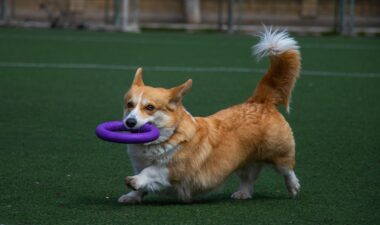
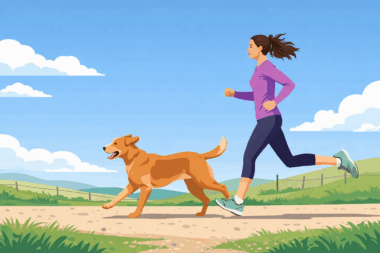
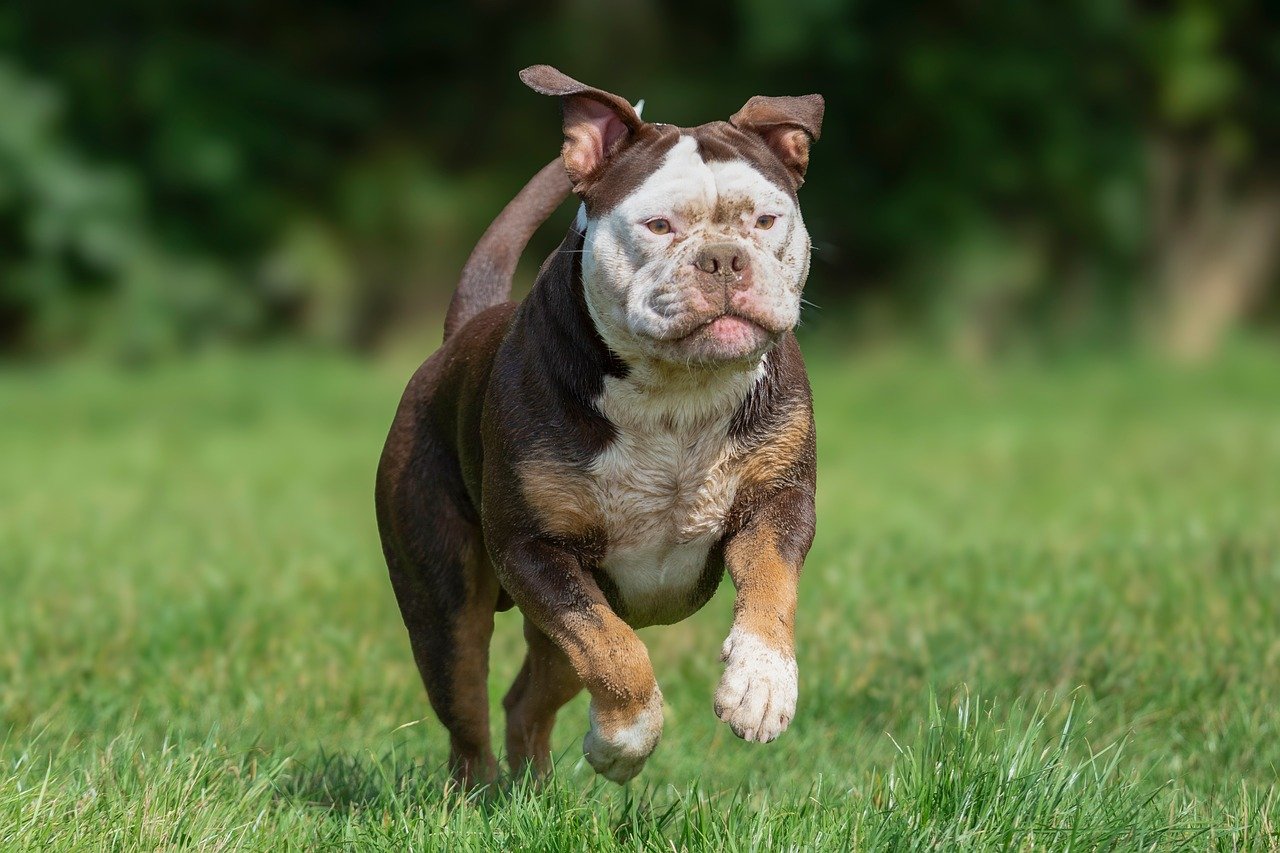
Before starting any canine fitness program, it is essential to understand the various aspects influencing your dog’s health, both physically and mentally. Regular physical activity can lead to a fuller, more satisfying life for your canine companion. Dogs, by nature, are energetic creatures that thrive on exercises, so engaging them in various fitness programs allows them to channel their energy positively. Activities like fetch, tug-of-war, and dog jogging enhance dog-owner relationships while providing necessary exercise. Additionally, canine fitness focuses on not just physical but also mental stimulation. Incorporating scent work, puzzle games, or obedience training can keep their minds sharp. Also, knowing your dog’s breed characteristics helps tailor a fitness program that suits their natural abilities. Remember, some breeds are more suited for endurance while others excel in strength-based activities. Health challenges such as obesity or mobility issues may require adjustments in their fitness training. Consult your veterinarian to outline a personalized fitness regime that best meets your dog’s physical needs while promoting a healthy lifestyle.
Incorporating diverse activities into your dog’s daily routine is crucial to their overall fitness. One effective approach to achieve this is by organizing structured fitness challenges that combine various exercises. Agility training is an excellent example, as it supports cardiovascular health and builds firm muscles. Invest in agility equipment such as tunnels, jumps, and weave poles to set up an exciting course at home. Additionally, consider engaging your dog in swimming sessions, which is low-impact but promotes muscle strength and flexibility. Swimming not only aids in conditioning but also cools down dogs on hot days. Team-based activities like flyball or retrieving contests help build teamwork while encouraging exercise. You might also involve your dog in canine sports clubs, promoting a community spirit while participating in races or tournaments organized locally. Each fun encounter enhances their agility, speed, and temperament. Regularly challenging your dog fosters resilience and confidence and keeps their spirits high. Consistent physical activity positively impacts a dog’s emotional well-being, reducing anxiety and excess energy, making them happier companions overall.
Positive reinforcement is a powerful tool when motivating dogs during fitness challenges. Rather than focusing solely on performance, reward your dog for participation and effort. Use treats, toys, and praise as incentives to encourage your dog to give their best in every activity. This method builds a healthy association with fitness, making it a fun part of their life. This breeds enthusiasm and willingness, making your canine companion excited for the next session. Training sessions should be short and engaging, especially for younger dogs who may lose interest quickly. However, older dogs might prefer longer, steadier workouts once adequate stamina is built. Always monitor your dog’s condition during exercise; if they show signs of fatigue, allow adequate rest. Beyond physical rewards, ensure your dog is having fun, as this enthusiasm enhances their performance. Invite family members or friends to join in; dogs enjoy socializing and include other pets if possible, enhancing group dynamics. Engaging in fitness challenges together fosters teamwork and strengthens relationships within dog families, which is invaluable in the canine world.
Safety First in Canine Fitness
Safety should always be a priority when engaging your dog in fitness routines. Proper equipment and conditions are vital for ensuring your dog’s well-being. Before engaging in any exercise, assess your dog’s physical condition through consultations with your veterinarian. Check for underlying health concerns or limitations that could spoil their fitness endeavors. Always warm up your dog to prevent injuries when introducing new exercises. To accomplish this, try gentle stretching followed by shorter workout sessions. Monitor during activities to ensure they are appropriate for your dog’s breed and age. Take into account the environment where activities occur. Avoid heat exposure on sunny days as dogs can quickly overheat. Instead, opt for cooler times or shaded areas. Ensure the area is free from hazards such as sharp objects, slippery surfaces, or aggressive animals. Use collars or harnesses, along with strong leashes, to maintain full control during outdoor activities. This reliable gear helps prevent accidents, letting your dog enjoy themselves while keeping them safe during physically demanding events.
One of the most engaging aspects of canine fitness programs is the ability to track progress and celebrate achievements. Keeping a fitness journal that logs daily activities, exercises, and improvements can be beneficial. This practice not only provides insights into your dog’s physical development, but it also helps you recognize their stamina and strength over time. You can observe gradual changes, such as increased agility or endurance, which can motivate you and your dog. Utilize apps or fitness devices designed for pets to monitor their daily activities and keep track of their intake calories versus exercise routine. By establishing fitness milestones and goal-setting for your dog, you can create a sense of purpose for both of you. Setting realistic, achievable goals ensures that your dog stays focused on their fitness journey. Celebrate small victories, such as completing an agility course without hesitation or running an extra mile, with special treats or new toys. Making fitness a fun and rewarding experience reinforces positive behaviors and keeps your dog committed to their fitness improvement.
Finally, consider participating in community-based dog sports competitions. Joining local clubs can introduce a fun, competitive edge to your dog’s fitness routine, motivating them to excel in various areas. These events can range from agility to obedience trials and help strengthen your commitment to their physical enhancement. Competing can be a rewarding experience, aiding socialization with other dogs and their owners while providing opportunities for networking and sharing tips. Every event visited teaches your dog to adapt to situations and helps alleviate anxiety around distractions, ultimately leading to better behavior. Furthermore, competitions can provide a platform for showcasing your dog’s progress and success, building confidence. Remember that winning is secondary; the primary goal is forming engaging connections and stimulating your dog’s mind and body through sports. Emphasize having fun and enjoying the shared experience. This approach fosters a culture of positivity, ensuring every fitness challenge reinforces good habits, strengthens your bond, and encourages healthier lifestyles for both of you. Strive to make fitness an integral part of your dogs’ everyday life.
Creating a fun and engaging routine for your dog may seem challenging, but with these tips and ideas, it can be an enjoyable journey. Consistent commitment to your dog’s fitness ensures they live a healthy, happy life. By balancing physical activities and providing a mental workout, you’ll not only support their physical health but also enrich their mental well-being. Observing your dog learn, adapt, and improve through these fitness challenges leads to profound satisfaction for anyone dedicated to canine health. Therefore, break out of monotonous daily routines and initiate these fitness programs. Watch as your canine companion transforms, gains confidence, and enjoys activities previously deemed boring or tiresome. Celebrate every milestone, and actively engage your pet in the process, as it fosters motivation and enthusiasm. Strengthen your pet-parent relationship by making fitness a shared experience. Setting realistic goals, tracking progress, and embracing variety in workouts can create excitement, not only for your dog but also for you. Ultimately, creating a vibrant fitness life for your dog can extend their lifespan and enhance their happiness, proving to be well worth the effort invested in their fitness challenges.